
How can one identify a broken fiber optic cable?
To identify a broken fiber optic cable, start by performing a visual inspection for any physical signs of damage, such as bends, cracks, or breaks...
Search optical fiber, connectivity, cable management and network infrastructure references.
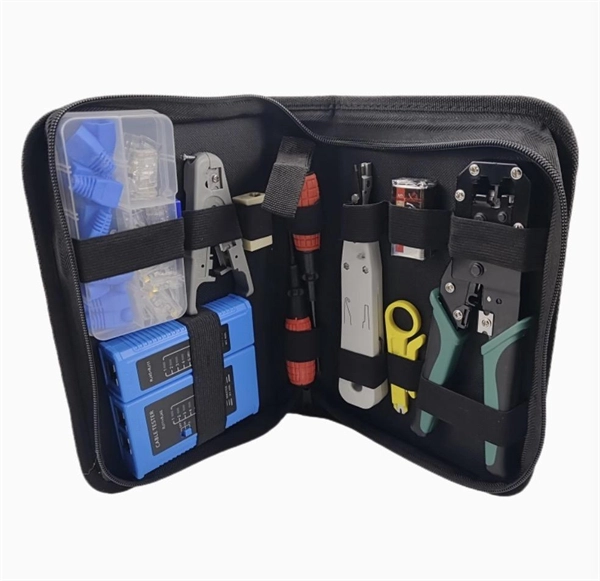
Optical Fiber Communication (OFC) revolutionizes modern telecommunications, enabling rapid data transfer across long distances with minimal signal loss. This comprehensive review explores OFC's historical evolution, core principles, components, and versatile applications. It...
[PDF Version]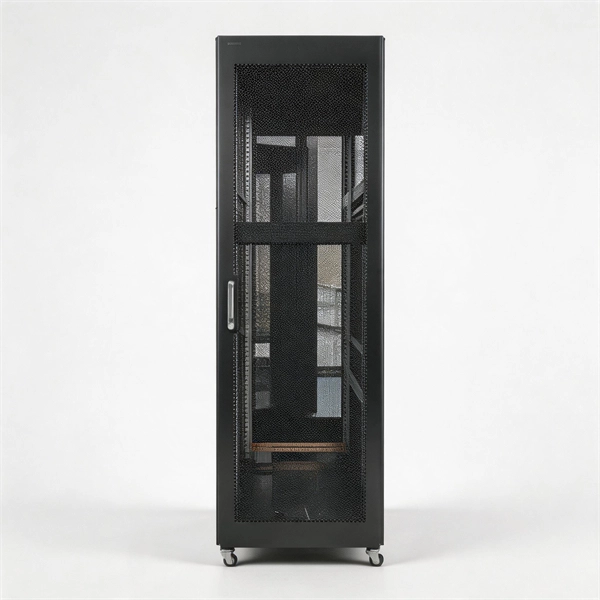
Modern fiber-optic communication systems generally include optical transmitters that convert electrical signals into optical signals, to carry the signal, optical amplifiers, and optical receivers to convert the signal back into an electrical signal. The information...
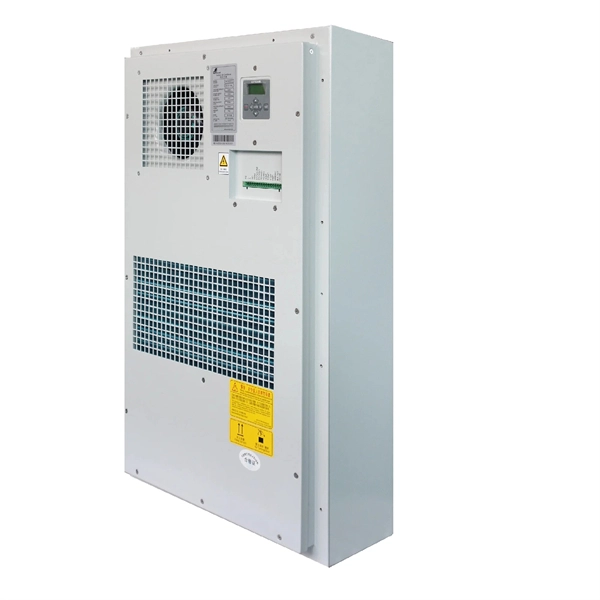
A fiber media converter takes an Ethernet signal on copper (RJ-45) and converts it to an optical signal on fiber, or vice versa. There are also fiber-to-fiber versions that translate between different fiber types, wavelengths, or distances. They are commonly used in pairs...
[PDF Version]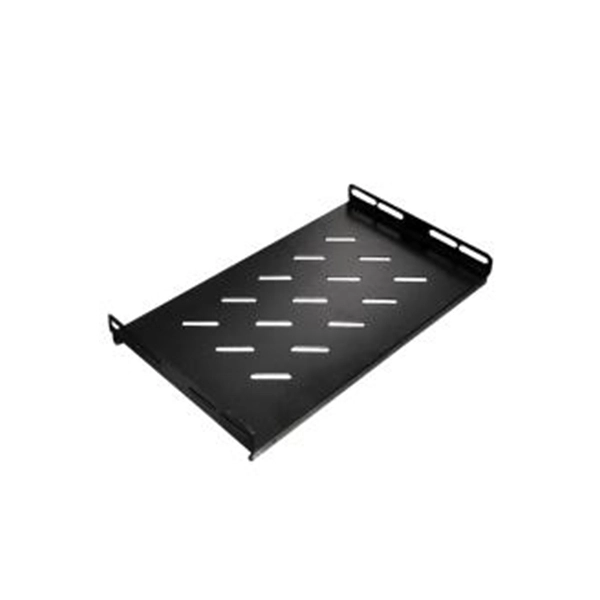
When producing fiber optic patch cord assemblies, manufacturers use 3D interferometer (which is an optical interferometry instrument) to check the fiber optic connector endface and strictly control the dimensions of the connector endface. It including the polishing...
[PDF Version]
Modern fiber-optic communication systems generally include optical transmitters that convert electrical signals into optical signals, to carry the signal, optical amplifiers, and optical receivers to convert the signal back into an electrical signal. The information...
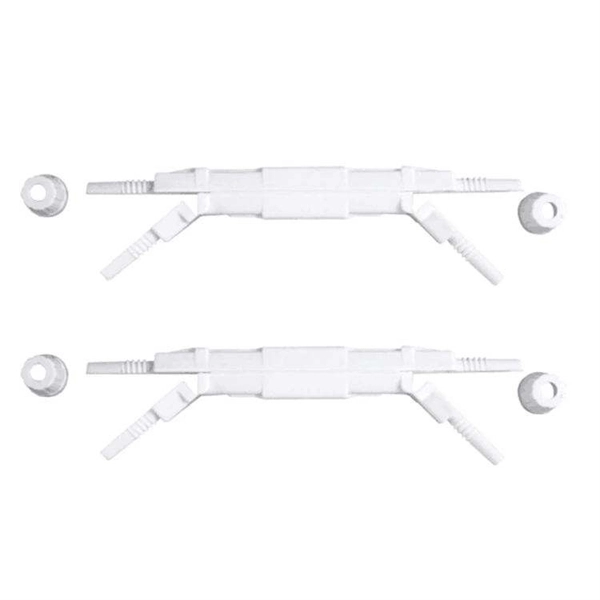
Fiber Optic Troubleshooting: Expert Guide for Common Fiber optic troubleshooting is an essential skill for network administrators, technicians, and enginee.
[PDF Version]To identify a broken fiber optic cable, start by performing a visual inspection for any physical signs of damage, such as bends, cracks, or breaks...
There are several methods to test fiber optic cables without a tester. One method is using a visual fault locator (VFL), as mentioned earlier, to v...
Intermittent fiber optic connections can be caused by a variety of factors, including: Poorly terminated connectors or splices that result in unsta...
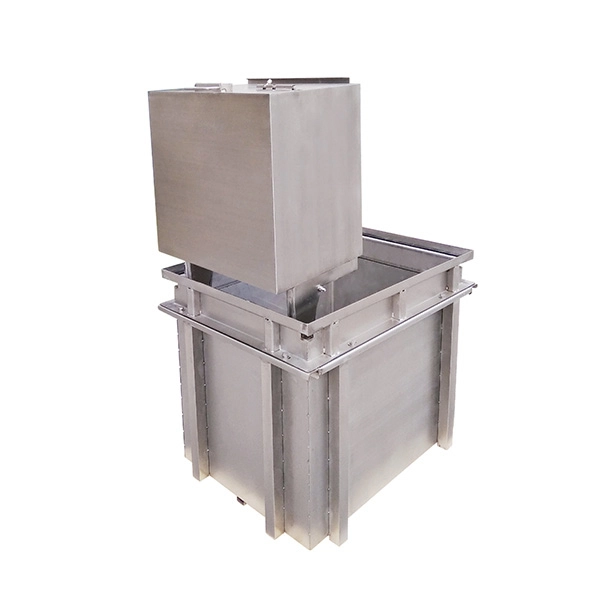
Fiber Optic Amplifiers are optical devices that amplify optical signals to extend transmission distance and improve signal quality. Their operating principle is based on stimulated emission and energy level transitions. Jose Miguel Lopez-Higuera: Handbook of Optical Fiber...
[PDF Version]Share the fiber interfaces, termination capacity, cable route and evidence required for handover.