
Technical notes
Trunk Cable vs Harness Cable in Fiber Optic Networks
Technical comparison of fiber trunk cables and harness cables, explaining structure, connectivity roles, and correct use in FTTH and data center
What is a Fiber Trunk Cable?
Definition: A Fiber Trunk Cable is a type of optical fiber cable that serves as the backbone of a fiber optic network. It is used to connect different nodes or segments of the network,
What Is a Trunk Cable and How Are Trunk Cables Used
A trunk cable is a pre-terminated fiber or copper cable that combines multiple individual cables into a single bundled unit. It''s built to carry multiple data
High Fiber Count Trunks Applications Guide
The high fiber count pigtail trunk consolidates all of the fibers required between buildings to optimize the space utilization in the conduit pathways. This application could be driven by a
Trunk cables & preassembled installation cables
The categories of fiber optic trunk cables refer to the quality and performance of the multimode and single-mode fiber optic cables. For example, OM3, OM4 and OM5 are optimized for higher
How Fiber Optic Trunk Cable Works — In One Simple
The report examines critical market trends, key segments, and growth dynamics. Fiber optic trunk cables form the backbone of modern high
12F vs 24F vs 16F MPO Trunk Cables
12F trunks group fibers in sets aligned with four-lane parallel optics and duplex breakout conventions. 24F trunks aggregate two 12F groups into a single connector, increasing density but coupling two
Fiber Trunk Cables | Leviton Network Solutions
Fiber trunks are pre-terminated cable assemblies connecting switches, servers, patch panels, and zone distribution areas in the data center, or serving as the backbone of enterprise fiber networks. When
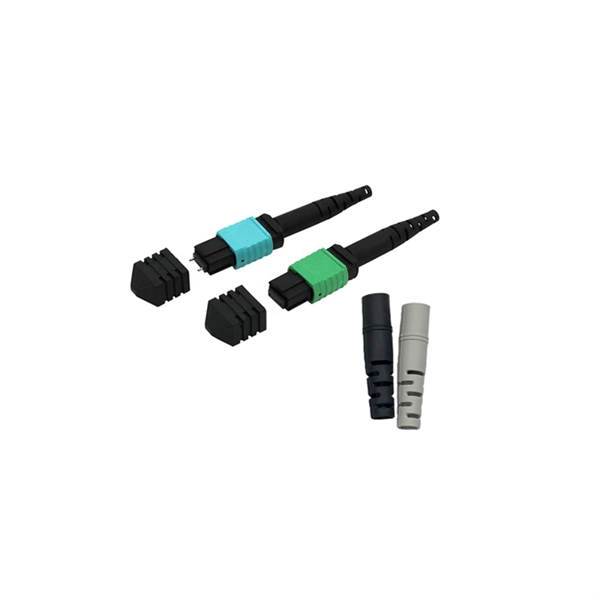
Multi-fiber Push On (MPO) Connectors
Multi-fiber push on connectors, or MPOs, are fiber cable connectors comprised of multiple optical fibers. Learn more at Fluke Networks.
Fiber Trunk Cables: The Backbone of High-Speed Connectivity
A fiber trunk cable is a type of optical fiber cable designed to handle multiple fiber connections within a single, robust cable. Unlike standard patch cables, fiber trunk cables are used
Find & Compare Optics | Photonics Services
Search for and compare optical components from manufacturers around the world, or for custom jobs we''ll match you with an industry expert service provider.
What are the advantages of Fiber Trunk Cables over other types of
Fiber Trunk Cables, or fiber optic trunk cables, offer several significant advantages over other types of cables, such as coaxial cables and twisted pairs. Here are the key benefits: High
What is Fiber Optic Trunk Cables ?
What is Fiber Optic Trunk Cables ? Fiber optic trunk cables are pre-terminated cable assemblies connecting switches, servers, patch panels, and zone distribution areas in the data center, or serving
What is a Fiber Trunk Cable?
In summary, a Fiber Trunk Cable is a critical component of modern fiber optic communication systems. It provides high-capacity, high-speed, and reliable connections between
What''s the Difference Between Fiber Optic Cables,
Discover the differences between fiber optic cables, trunk cables, and breakout cables in this guide. Learn about each type''s purpose, applications, and benefits
High Fiber Count Trunks Applications Guide
AEN161, Revision 2 This Application Engineering Note will serve as a guide to selecting the best Corning Optical Communications High Fiber Count solution for your structured cabling
What is the definition and function of a fiber trunk cable?
A fiber trunk cable is a type of optical fiber cable specifically designed for use as the main transmission line in a telecommunication network. It serves as the backbone for high-speed data
Fiber Trunk Cable: Weaving the Future of High-Speed
At the heart of high-speed data transmission, the Fiber Trunk Cable represents a technological leap. It is a robust and high-capacity optical fiber cable designed for transmitting vast
Related Video Reference
This video was associated with the source search result. Verify technical details against current product documentation and project requirements.