
Fiber Optics Sensors Standards Report
Search optical fiber, connectivity, cable management and network infrastructure references.
- Fiber
- Optics
- Sensors
Articles and technical references
7 on this page-
The Role of Scattering-Type Fiber Optic Sensors
Raman scattering, linked to molecular vibrations, forms the backbone of temperature-sensing systems and in-line amplification. Both phenomena are essential in applications ranging from structural health monitoring to high-capacity optical networks. By upscaling the dimension...
-
Applications of Fiber Optic Sensors in Automation
Fiber optic sensors play a key role in developing the communication system to sense & measure the change within phase, data transmission rate, wavelength, intensity, noise, uneven environmental conditions, extreme heat, high vibration, etc. This article explores the different...
[PDF Version]
-
Best equipment for fusion splicing fiber optics
The best splicers offer core alignment, fast splice times, durable designs, and smart features like cloud syncing and automated calibration. These precision machines permanently join optical fiber ends, creating seamless connections that carry our internet, phone, and video...
-
Principle of Polarization Modulation in Fiber Optic Sensors
Polarization Modulation is a crucial technique in the realm of optical sensors, enhancing their accuracy and sensitivity. Polarization scramblers are devices which are widely used to reduce or eliminate the degree of polarization of a light beam — that is, to convert...
[PDF Version]
-
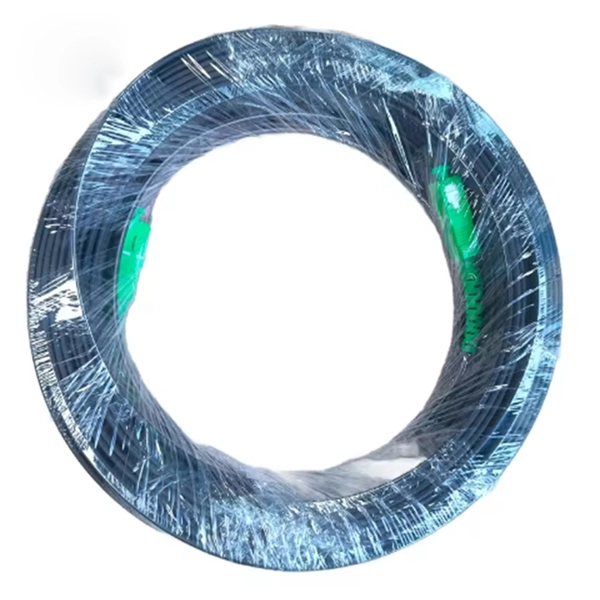
What are mechanical fiber optic sensors
Fiber-optic sensors (also called optical fiber sensors) are fiber -based optical sensors for some quantity, typically temperature or mechanical strain, but sometimes also displacements, vibrations, pressure, acceleration, rotations (measured with optical gyroscopes...
[PDF Version]
-
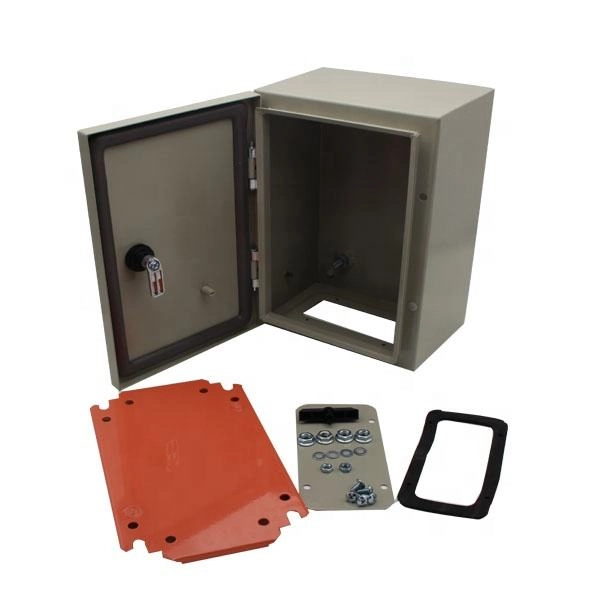
Types of Fiber Optic Flow Sensors
There are several types of fiber optic sensors. Detection methods include thrubeam, reflective, retro-reflective, and definite-reflective. Fiber optic current sensors are revolutionizing the way electrical currents are measured, providing high sensitivity, immunity to...
-
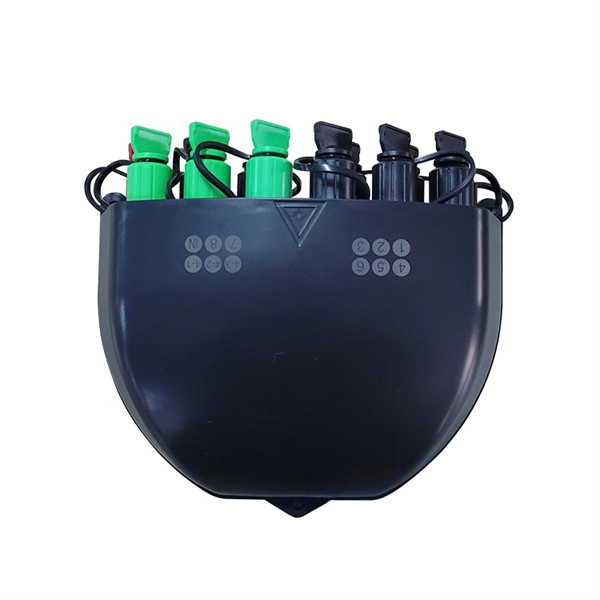
The Role of Liquid Fiber Optic Sensors
Fiber optic liquid level sensor s have revolutionized various industries by offering high-speed and accurate measurements, especially in challenging environments. These sensors rely on the principles of light reflection and refraction to detect changes in the liquid level...