
Technical notes
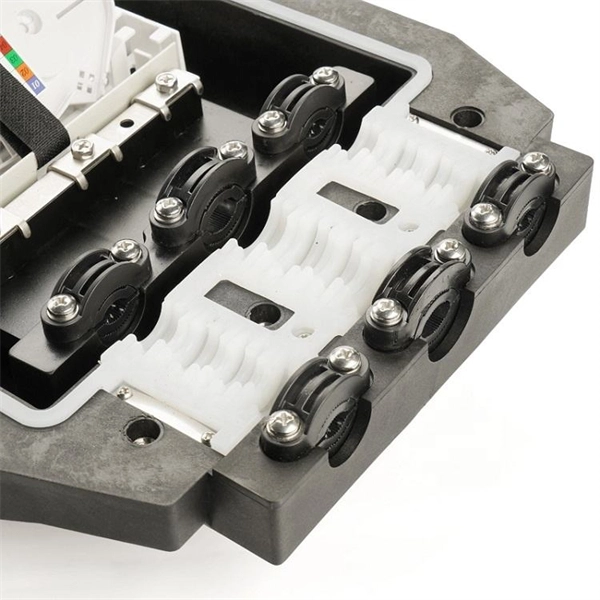
T Cable Tray Systems: Advanced Cable Management Solutions for
T cable trays excel in providing comprehensive cable protection while facilitating efficient cable management. The system features carefully designed cable retention mechanisms that secure
Types of Cable Trays: Ladder, Perforated, Basket, Solid & Channel
These trays ensure maximum airflow around the cables, promoting effective ventilation and heat dissipation to keep cable temperatures within safe limits. Additionally, their open design
Teardrop-Shaped Cable Tray Design Benefits Guide
Unlike traditional ladder or perforated trays, its profile is engineered to optimize both mechanical strength and installation ergonomics. This design is not just aesthetic—it is functional,
Cable Tray Technical Guide A practical guide to product selection and
Cable tray is considered to be a system. It must provide continuous support for cables, and the electrical continuity of the cable tray system must be maintained.
Cable tray
They are especially useful in situations where changes to a wiring system are anticipated, since new cables can be installed by laying them in the tray, instead of pulling them through a pipe.
Types of Cable Trays – Purpose, Advantages,
Cable trays are components of support systems for power and communications cables and wires. A cable tray system supports and protects
What Are Cable Trays and How Do They Work?
The function is to provide a continuous, supported pathway that prevents cables from lying loose and vulnerable to physical damage. The system includes straight sections, fittings, and support hardware.
GUIDE CABLE TRAYS TECHNICAL
t comes out of the furnace. For an approved configuration, the cables and cable trays see their mechanical properties definitely altered but they have fulfilled their purpose: to ensure the installation
Explaining Cable Tray Systems and Their Purpose
Channel cable trays, also known as single-rail trays, are narrow trough-shaped profiles used for routing small numbers of cables in tight or restricted spaces. They are ideal for branch runs
Cable Tray Types and Sizes
Designed to support and protect all types of wiring—including high-voltage power lines, control cables, telecommunication cables, and fiber optic cables —they ensure organized routing, easy access for
7 Types of Cable Trays: How to Choose the Right One
Cable tray systems are engineered support structures designed to route, support, and protect insulated electrical cables used for power distribution, control, instrumentation, and
T&B Cable tray
Introduction Cable tray wiring systems offer significant advantages over conduit pipe and other wiring systems. Cable tray is more cost efficient, more reliable, more adaptable to changing needs and
Cable Trays Selection Guide: Types, Features, Applications
Cable trays are components of support systems for power and communications cables and wires. A cable tray system supports and protects both power and signal cables and facilitates upgrading,
Best Practice Guide to Cable Ladder and Cable Tray Systems
This guide covers cable ladder systems, cable tray systems, channel support systems and associated supports intended for the support and accommodation of cables and possibly other electrical
Cable tray manual
Nearly every aspect of cable tray design and installation has been explored for the use of the reader. If a topic has not been covered sufficiently to answer a specific question or if additional information is
Type of Cable Tray
Cable Tray Materials: Most cable tray systems are fabricated from a corrosion-resistant metal (low-carbon steel, stainless steel or an aluminium alloy) or from a metal with a corrosion-resistant finish
What Is A Cable Tray? 5 Types Of Cable Trays
A cable tray is a structural system used to support and manage electrical cables in various settings, such as industrial, commercial, and residential environments.
Cable tray vs cable basket vs cable ladder vs cable
This article will discuss the four most common types of cable containment and their uses: cable tray, cable basket, cable ladder, and cable
Related Video Reference
This video was associated with the source search result. Verify technical details against current product documentation and project requirements.