Skip to content
QK FIBERSystems Send a project enquiry
Reference library

Function of High and Low Voltage Switchgear

Published
  • Function
  • High
  • Low
Source context

AI source overview

High and low voltage switchgear are essential for controlling, protecting, and isolating electrical circuits, ensuring safe and reliable power distribution from the grid to end-users.

Overview of Switchgear

Switchgear is a critical component in electrical systems, functioning far beyond a simple switch. It controls, protects, and isolates electrical circuits, safeguarding both equipment and personnel while maintaining grid stability. Switchgear is categorized by voltage levels: low-voltage (LV) for systems up to 1,000V, medium-voltage (MV) for 1kV–35kV, and high-voltage (HV) for systems above 1,000V.

Each category is designed with specific insulation, arc-extinguishing methods, and protection schemes to handle its respective voltage safely.

Low-

Voltage Switchgear (LV)Low-voltage switchgear operates at voltages up to 1,000V AC or 1,500V DC and is commonly found in residential, commercial, and small industrial settings. Its primary roles include: Power distribution: Directs electricity to various circuits and loads. Circuit protection: Uses circuit breakers, fuses, and relays to prevent overloads and short circuits.

Load isolation: Allows safe disconnection of circuits for maintenance or emergencies. Monitoring and control: Incorporates metering and control devices to manage energy flow efficiently.

L

V switchgear is widely used in distribution boards, motor control centers, lighting systems, and commercial panels, ensuring operational safety and minimizing fire or equipment damage risks.

High-

Voltage Switchgear (HV)High-voltage switchgear handles voltages above 1,000V, often ranging from 11kV to 765kV, and is essential for power transmission, substations, and heavy industrial facilities. Its key functions include: Fault protection: Detects and isolates high-voltage faults to protect transformers, generators, and downstream networks. Control of power flow: Adjusts voltage levels and manages the output of generators or substations.

Network segmentation: Divides the grid into manageable sections for maintenance without disrupting the entire system. Load management: Enables switching between power sources, such as grid and backup generators, ensuring uninterrupted supply to critical loads like hospitals or data centers.

H

V switchgear is designed to withstand extreme electrical stresses, with advanced circuit breakers, relays, and insulation systems to ensure reliability and safety.

Key Differences Between LV and H

V SwitchgearFeatureLow-Voltage (LV)High-Voltage (HV)Voltage RangeUp to 1,000V AC / 1,500V DCAbove 1,000V AC / 1,500V DCApplicationsHomes, commercial buildings, small factoriesPower plants, substations, heavy industryPrimary FunctionDistribution, protection, isolationTransmission control, fault protection, network managementComponentsCircuit breakers, fuses, isolators, bus barsHigh-capacity breakers, relays, disconnectors, advanced insulationSafety FocusProtects end-user equipment and personnelProtects grid infrastructure and downstream networksOperational ComplexityModerateHigh, requires precise control and monitoringConclusionHigh and low voltage switchgear are complementary components in modern power systems.

L

V switchgear ensures safe and efficient distribution to end-users, while HV switchgear protects and controls the backbone of the electrical grid. Together, they maintain system reliability, prevent equipment damage, and safeguard personnel, forming the foundation of safe and intelligent power distribution.

Research context

Reference summary

The 3 Main Types of Electrical Switchgear (LV, MV, HV) The three primary categories of electrical switchgear are Low-Voltage (LV), Medium-Voltage (MV), and.

From reference to enquiry

Questions for your project

Use these editorial prompts alongside the linked excerpts. They identify items to confirm for your project.

Technical notes

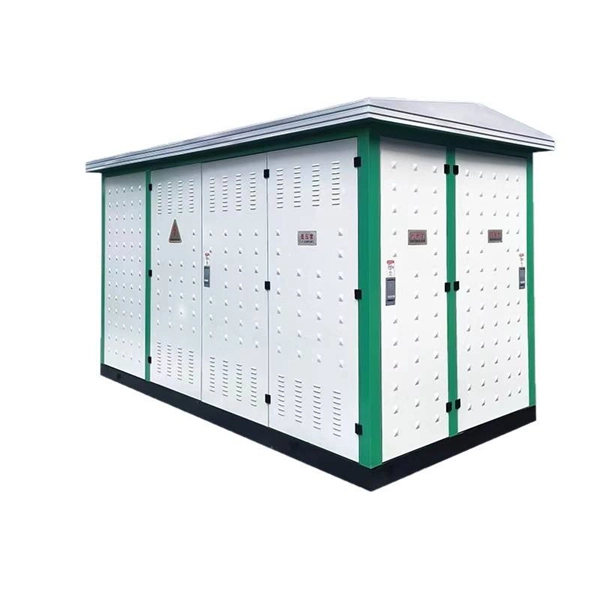
Illustrative equipment image

The 3 Main Types of Electrical Switchgear (LV, MV, HV)

The three primary categories of electrical switchgear are Low-Voltage (LV), Medium-Voltage (MV), and High-Voltage (HV). Fundamentally, these

LV/MV/HV Switchgear Explained: A Complete Guide

Composed of circuit breakers and other components, it connects high and low voltage power grids, controls power distribution, protects circuits,

The Guardian of Power: What Are High and Low

Explore the core differences between high and low-voltage switchgear. This guide breaks down the design, application, and safety features

Switchgear

Switchgear for lower voltages may be entirely enclosed within a building. For higher voltages (over about 66 kV), switchgear is typically mounted outdoors and

What Is Electrical Switchgear? Types & How It Works | G&W Electric

Learn what electrical switchgear means, including how it works, key components like circuit breakers and relays, and the types: LV, MV, HV, AIS, GIS, and more.

A practical handbook for low

This handbook is dedicated to electricians and future electricians, and explains the contents of high and low voltage switchboards.

Low vs High Voltage Switchgear: A Detailed Comparison

Switchgear plays a crucial role in electrical power systems, providing protection, control, and isolation functions. When comparing low voltage switchgear and high voltage switchgear, we find

High-Voltage vs Low-Voltage Switchgear: Differences and Selection

The distinction between low-voltage and high-voltage switchgear is made depending on the amount of power required. Here''s a short description of each type with its where and why it''s used.

What is a Switchgear? Functions, Types & Components

Learn what switchgear does, where it''s used, its main components, and how low, medium, high-voltage, and padmount types compare.

High Voltage Switchgear (HV/HT): Types, Components & Working

Its primary role is to detect faults, isolate faulty sections, and keep the rest of the system running safely. From circuit breakers and isolators to protective relays and transformers, every

Switchgear: Definition, function and types

Gas-insulated switchgear (GIS) utilises SF6 gas, and can be used for compact installations with high voltage requirements. Hybrid switchgear merges

What Is Electrical Switchgear? Types, Uses & Switchgear Vs

Learn what electrical switchgear is, its types, key components, and how low, medium, and high voltage switchgear systems protect industrial and commercial power distribution.

3 Main Classifications Of Switchgear And Their Functions

There are three main categories of switchgear: low voltage, medium voltage, and high voltage. Each of these classifications has their own corresponding functions.

High, Medium, and Low Voltage Switchgear

Switchgear forms an integral core in all electrical systems, having controlling, protective, and isolating functions on electrical equipment. Be it industrial, power plant, or even residential,

Low Voltage Switchgear or LV Switchgear

Key learnings: Low Voltage Switchgear Definition: Low voltage switchgear is defined as electrical switchgear rated up to 1kV, including protective devices like circuit breakers and fuses.

What Is LV Switchgear? A Complete Guide to Low

LV switchgear is essential for safe and efficient low-voltage power distribution. Learn about its components, applications, standards, and why it

Low Voltage Switchgear – Functions, Components & Uses

Introduction to Low Voltage Switchgear Low-voltage switchgear (LV switchgear) plays a vital role in distributing electrical energy below 1,000 volts.

Understanding Switchgear: Types, Components, Applications

Components of high voltage switchgear include: Circuit Breakers: Gas-Insulated Circuit Breakers (GCB): Enclosed in a gas-filled chamber, these breakers are highly reliable and efficient for high voltage

Related Video Reference

This video was associated with the source search result. Verify technical details against current product documentation and project requirements.

Share your network requirements

Share the fiber interfaces, termination capacity, cable route and evidence required for handover.

Send a project brief