
Technical notes
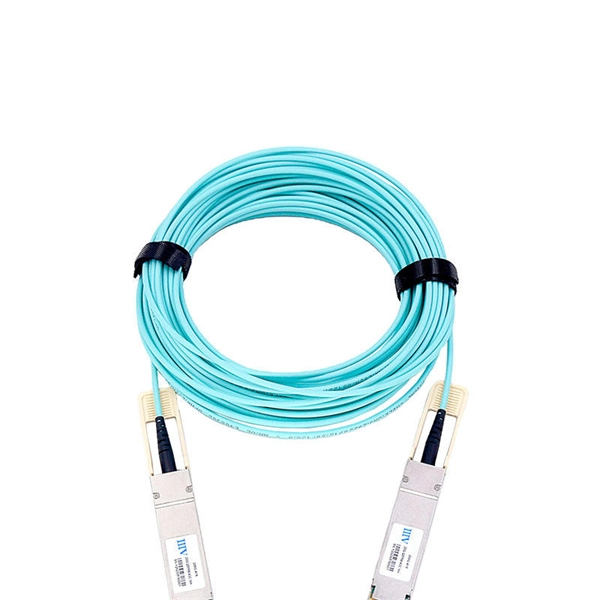
5 Vital Safety Rules for Fiber Optic Cables
Fiber optic cables, with their delicate nature and light-carrying capabilities, require stringent safety protocols. Without proper care, handling optical fibers can result in physical injuries
Fiber Optic Safety and Handling Procedures | NFM Consulting
Following proper handling procedures, using appropriate PPE, and maintaining a clean workspace prevents injuries and ensures quality installations. Working with fiber optic cable and
XXII. Fiber Optic Safety Procedures
Introduction This Program provides supervision, employees and safety managers with general safety rules, task safety procedures and best techniques for installation of quality fiber optic cable systems
Fiber Optic Safety precautions | HARDWARE | TOOL KITS AND
GENERAL this document describes the general safety precautions that should be adhered to while working in the Fiber Optic industry. Not all of these admonishments will apply .
Tips for Handling Fiber Optic Cables
Improper handling can lead to flawed connections and harm to optical components. Protective gear like safety glasses with side shields and gloves should always be worn when working
Optical Fibre: Risk Assessment | name
Materials Safety - Fibre optic splicing and termination use various chemical cleaners and adhesives as part of the processes. Normal handling procedures for these substances should be
Safety In Fiber Optic Installations
Fiber optic splicing and termination use various chemical cleaners and adhesives as part of the processes. Normal handling procedures for these substances should
Don''t Ignore the Hazards Associated with Fiber Optics
Understanding the safety hazards that go with fiber optic cable is critical for those who install or maintain fiber optic systems. As electrical
Working with Fiber Optic Cables: The Important Safety
Potential Hazards in Fiber Optic Operations Physical Injuries Fiber optic technology, while transformative in the realm of communication and data transmission, brings
NEW FIBER BROCHURE-.qxp
Fiber Optic Safety Handling optical fiber is not inherently dangerous as long as some basic safety precautions are followed. You can signif-icantly reduce the risk of injury by knowing the risks
Environmental Considerations and Safety: Handling
Q4. Can fiber optic cables pose a safety risk to people? No, fiber optic cables themselves do not pose any significant risk to people. However, the tools and
Managing Risks in Fiber Optic Network Projects
One of the most obvious risks in fiber optic projects is the physical damage or breakage of the fiber cables, connectors, or splices. This can happen due to
Fiber Optic Cabling Safety and Inspection
Because of the potential for eye damage, technicians should not disconnect any fiber optic cable or splices and stare into the optical connectors
Safety Procedures for Handling Optical Fiber Cables
Safety Procedures for Handling Optical Fiber Cables - Electric Way Cable installation professionals face safety hazards when they work on optic fiber
Fiber Optic Testing and Safety: Creating a Safe Working Environment
It''s important for people who install or maintain fiber optic cables to take proper safety precautions. Fiber optics can deliver many hazards an installer must avoid. Although optical fiber doesn''t carry
Fiber Optic Safety
By Steve Harris – Ensuring Protection in the Field Fiber optic technology has changed how we communicate by providing high-speed data transmission over
Work safely when terminating fiber-optic cable
Handling optical fiber is not inherently dangerous; however, there are some dos and don''ts you should follow. Safety is always the top priority in any working
Safety Factors to Consider When Working With Fiber
An important part of fiber optic technician training is how to learn safety in the lab or on the workplace. Besides the usual safety issues for
Related Video Reference
This video was associated with the source search result. Verify technical details against current product documentation and project requirements.