
High Performance Wavelength Division
Search optical fiber, connectivity, cable management and network infrastructure references.
- High
- Performance
- Wavelength
Articles and technical references
7 on this page-
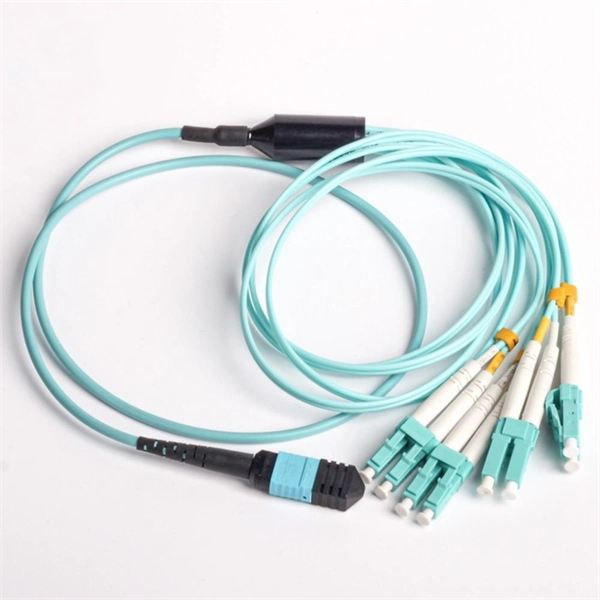
Wavelength Division Multiplexing Decoder
WDM systems are divided into three different wavelength patterns: normal (WDM), coarse (CWDM) and dense (DWDM). Normal WDM (sometimes called BWDM) uses the two normal wavelengths 1310 and 1550 nm on one fiber. Coarse WDM provides up to 16 channels across multiple transmission...
[PDF Version]
-
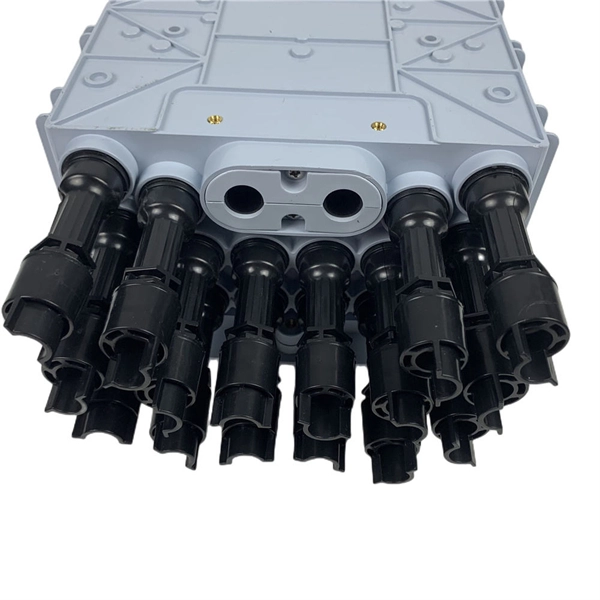
High Light Decay Performance of Optical Modules
This paper presents a defect analysis and performance evaluation of photovoltaic (PV) modules using quantitative electroluminescence imaging (EL). The study analyzed three common PV technologies: thin-film, monocrystalline silicon, and polycrystalline silicon. This study...
-
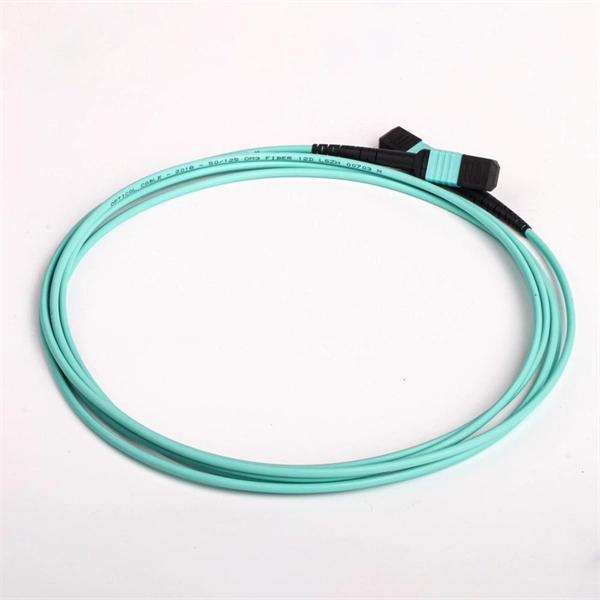
Wavelength Division Multiplexing and Multimode Technology
WDM systems are divided into three different wavelength patterns: normal (WDM), coarse (CWDM) and dense (DWDM). Normal WDM (sometimes called BWDM) uses the two normal wavelengths 1310 and 1550 nm on one fiber. Coarse WDM provides up to 16 channels across multiple transmission...
[PDF Version]
-
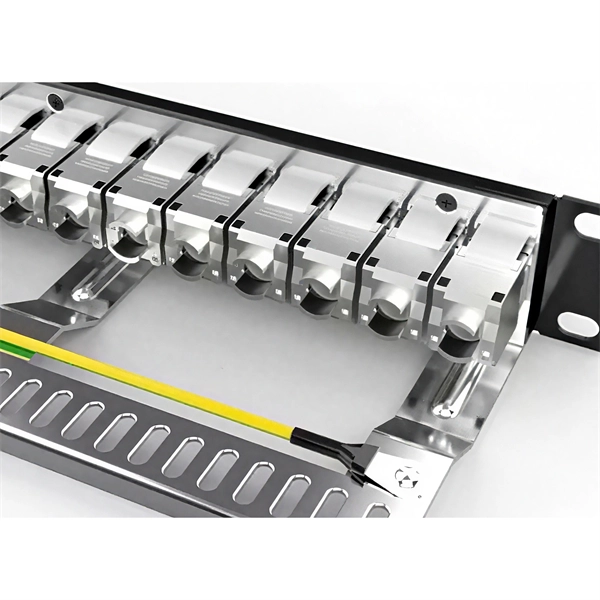
Principles of Beam Splitters and Wavelength Division Multiplexing
In fiber-optic communications, wavelength-division multiplexing (WDM) is a technology which multiplexes a number of optical carrier signals onto a single optical fiber by using different wavelengths (i.e., colors) of laser light. This technique enables bidirectional...
[PDF Version]
-
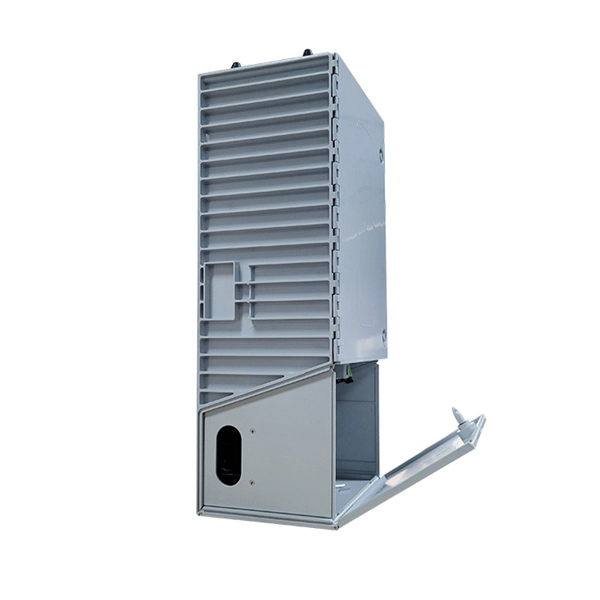
Wavelength Division Multiplexing for Transmitting Digital Signals
Wavelength Division Multiplexing (WDM) stands out as a cornerstone, enabling multiple data streams to travel simultaneously over a single fiber. This guide delves into the principles, types, applications, and future trends of WDM. The concept of WDM was arrived in 1970.
-
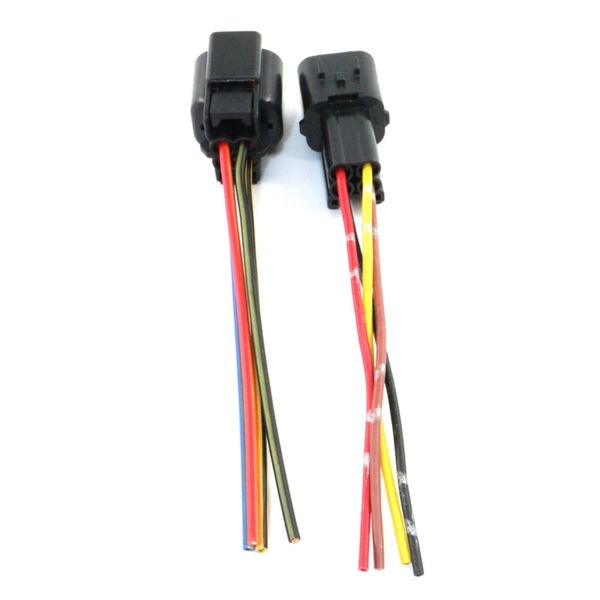
Protection of Wavelength Division Multiplexing Networks
In this paper, we address the problem of single link failure in WDM networks by comparing different protection methods when applied to the RDR strategy. We investigate and compare three algorithms that are mostly intended for maximization of the amount of remaining bandwidth...
-
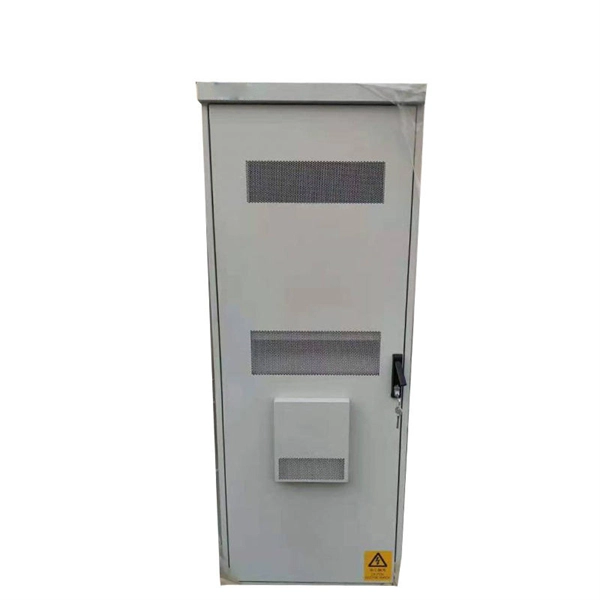
Wavelength Division Module
Normal WDM (sometimes called BWDM) uses the two normal wavelengths 1310 and 1550 nm on one fiber. Dense WDM (DWDM) uses the C-Band (1530 nm-1565 nm) transmission window but with denser. In fiber-optic communications, wavelength-division multiplexing (WDM) is a technology...
[PDF Version]