
Technical notes
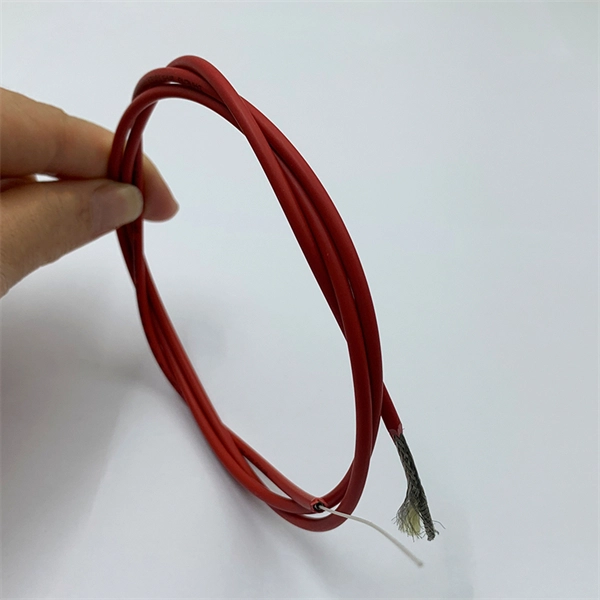
Fibre optic splicing explained
Fibre splicing is an indispensable process for constructing and maintaining fibre optic networks, crucial for seamless connectivity in an age where the advent of new technologies requires
High Power Fusion Splicing
Overview of modern fusion splicing: precise fiber alignment, low‑loss connections, and advanced high‑strength splicing for demanding optical applications.
UTC_LetterHead_FINAL
This paper, OPGW Grounding Techniques for Safe Fiber Splicing, outlines critical safety protocols and procedures for preparing Optical Ground Wire (OPGW) splicing on high-voltage
Fusion Splicers | Telecommunication Systems Business
Fusion splicer enable splicing of Fiber Optic Cable with low loss and high reliability. For fusion splicer, we offer two types: Core alignment fusion splicer, which bring
Fiber Splicing Solutions: Advanced Optical Applications
Explore advanced fiber splicing solutions for specialty, large-diameter, PM, and complex fiber applications. Precision workflows backed by 3SAE expertise.
Fiber Technology at Electrical Utilities: Techniques for
This technique takes a small, lightweight fiber optic cable and wraps it around or lashes it to the power line. The cable is called optical power attached cable (OPAC), and it is lashed to the power cable
Fiber Optic Cables High Voltage Systems: Smart Grid Technology
Discover how fibre optic cables in high-voltage systems enable smart grids with real-time monitoring, fault detection, and renewable energy.
Review of the usage of fiber optic technologies in electrical power
Subsequent sections detail the inception of the first fiber optic networks in Poland and their development over the years, including their reliance on power infrastructure. In the conclusion, the
Fiber Optic High Voltage Cables: A Comprehensive Overview
Fiber Optic High Voltage Cables: A Comprehensive Overview The integration of fiber optic technology into high voltage (HV) cables represents a significant advancement in power transmission and
Optical Fiber Splicing: The Complete Technical Guide to
This guide breaks down the fundamentals of optical fiber splicing, compares fusion and mechanical techniques, explains factors that influence splice loss, and
What Is Fiber Optic Cable Splicing? A Beginner''s Guide
Explore fiber optic cable splicing and its advantages over connectorization. Learn how to join and extend fiber optic cables effectively.
An Overview: The Pros and Cons of Various Splicing
In the past, patching methods were limited and expensive, which hindered the expansion of optical fiber technology. However, the introduction of
Fusion-splice basics
Fusion splicing is used for joining cables during network installation projects, repairing cables, mounting pre-polished splice-on connectors, and
Mastering the Art of Splicing Fiber Optic Cables: Expert
Master the essential skill of splicing fiber optic cables with our expert guide. Learn the fusion splice technique for seamless data transmission and
History and Vision of Optical Fiber Fusion Splicing Technology
Fig. 1. Arc fusion splicing Compared to many other countries, optical fiber cable installation in Japan is highly advanced. As data communi-cation services for the home—Fiber-To-The-Home
Fiber Fusion Splicing
Their fusion splicers feature compact designs, intuitive interfaces, and high-quality splicing capabilities. INNO Instrument''s fusion splicers are widely used in telecommunications, data centers,
Splicing
Motivation Splicing as a joining procedure is used to build up fiber lasers and for transporting high optical powers in the kW range via optical fibers. If joining parts
What is Fiber Optic Cable Splicing?
Disadvantages of Fusion Splicing: If too much heat is applied to melt the fiber optic cable for termination, the connection will become brittle and cannot be used for a long time. Fusion splicing
Related Video Reference
This video was associated with the source search result. Verify technical details against current product documentation and project requirements.