
How can one identify a broken fiber optic cable?
To identify a broken fiber optic cable, start by performing a visual inspection for any physical signs of damage, such as bends, cracks, or breaks...
Search optical fiber, connectivity, cable management and network infrastructure references.
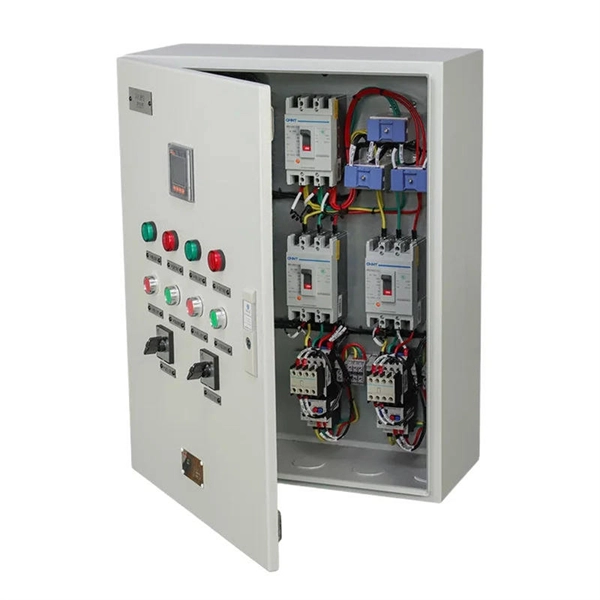
At $60-120/hr, a fusion splice in a drop location will cost $30-$60 labor plus the splicing cost. Even less expensive than that is using pre-terminated fiber cable. Fiber optic splicing costs vary widely depending on project size, location, fiber type, and site conditions...
[PDF Version]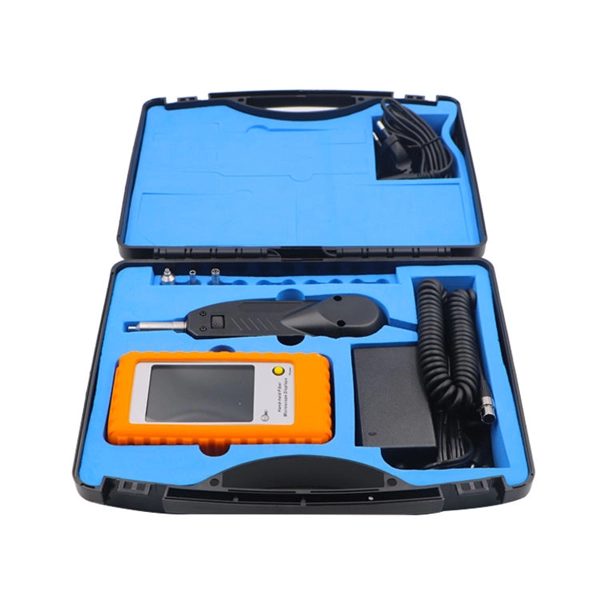
Understand how to choose fiber optic cable by comparing single‑mode vs. multimode, network speed and distance needs, cable jackets/fire ratings, connectors, cost and future‑proofing for data and telecom networks. This document will provide an understanding of optical fibre...
[PDF Version]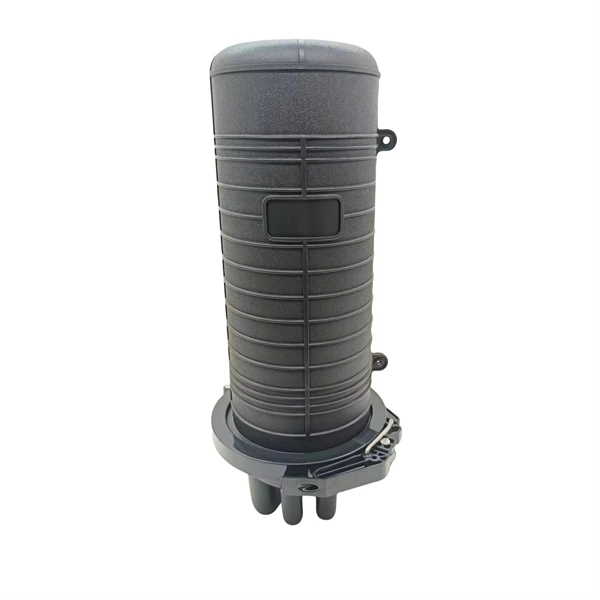
The supply landscape for optical fiber cables in the Middle East is even more concentrated than its demand profile, indicating a high degree of regional self-sufficiency in cable manufacturing, albeit from a l.
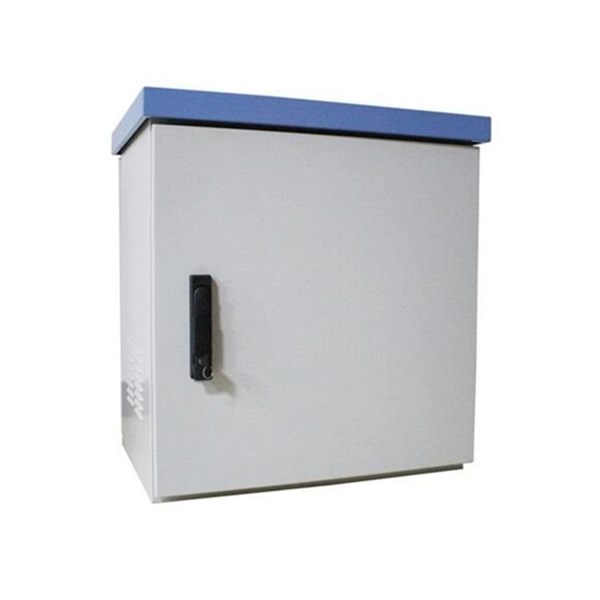
Fiber Optic Troubleshooting Guide: Problems, Tools & SolutionsLearn how to troubleshoot fiber optic cables with common problems, a step-by-step process, es.
[PDF Version]To identify a broken fiber optic cable, start by performing a visual inspection for any physical signs of damage, such as bends, cracks, or breaks...
There are several methods to test fiber optic cables without a tester. One method is using a visual fault locator (VFL), as mentioned earlier, to v...
Intermittent fiber optic connections can be caused by a variety of factors, including: Poorly terminated connectors or splices that result in unsta...
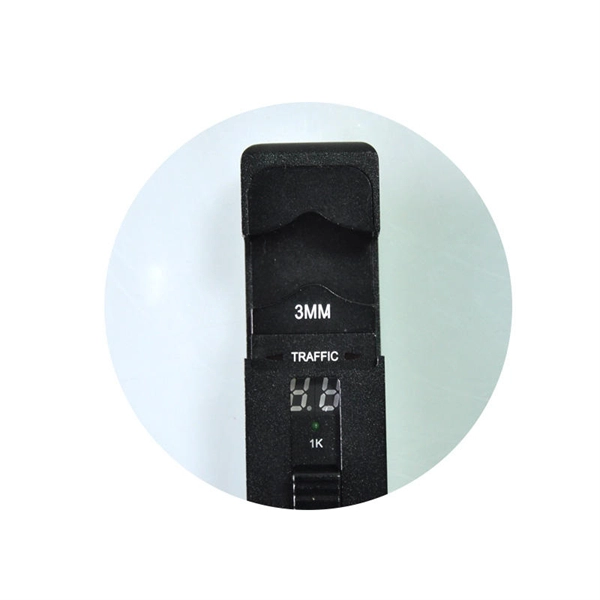
A fiber optic cable is a cable that uses thin fibers of glass or plastic to transmit data as light signals. These cables work based on the principle of light refraction, which allows them to carry information across long distances, unlike regular copper wires, which use...
[PDF Version]
The choice between optical fiber and electrical (or ) transmission for a particular system is made based on a number of trade-offs. Optical fiber is generally chosen for systems requiring higher, operating in harsh environments or spanning longer distances than electrical...
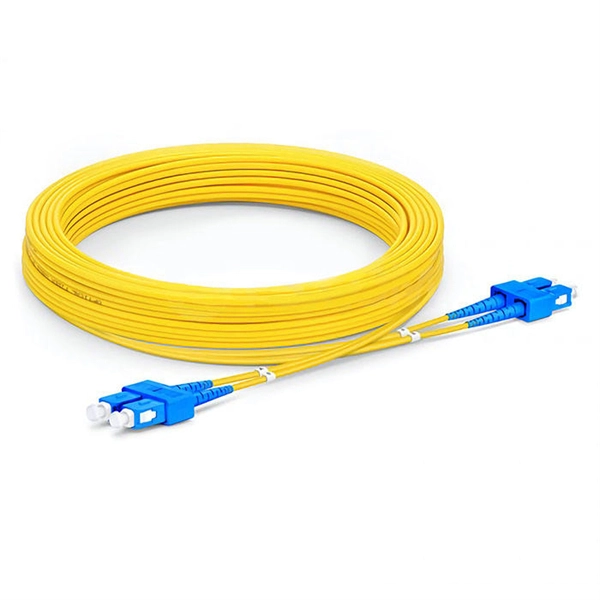
Q: What are the acceptable loss limits for fibre optic cabling? A: Acceptable loss limits vary based on the type of fibre optic cable and the standards set by organizations like TIA and ISO. 3-D standard lists specific limits for multimode and single-mode. Under IFRS...
[PDF Version]
On average, indoor fiber optic cables can last between 20 to 30 years. This estimate assumes the cables are installed properly, used in appropriate conditions, and maintained adequately. But ask any veteran network engineer, and they will tell you a different story. Offering...
General guidance for direct burial in soil is 24 to 36 inches (60 to 90 cm). In rocky areas, a minimum of 12 inches (30 cm) is recommended. In less dense areas and in the presence of loose soil or tractors, shoot for a cable burial depth closer to 48 inches (120 cm) to...
[PDF Version]Share the fiber interfaces, termination capacity, cable route and evidence required for handover.