Skip to content
QK FIBERSystems Send a project enquiry
Reference library

How fiber optic cables transmit information

Published
  • How
  • Fiber
  • Optic
Source context

AI source overview

Fiber optic cables transmit information by using light pulses to carry data over long distances, leveraging the principles of total internal reflection.

Basic Principles of Fiber Optics

Fiber optic technology relies on the transmission of light through thin strands of glass or plastic, known as optical fibers. The fundamental principle that enables this technology is total internal reflection. When light travels from a denser medium (the core) to a less dense medium (the cladding) at a specific angle, it reflects back into the core instead of passing through.

This allows the light to travel long distances with minimal loss.

Components of Fiber Optic Cables

A typical fiber optic cable consists of three main components: Core: The innermost part that carries the light signals. It is made of optically pure glass or plastic and can be as thin as 8-10 micrometers for single-mode fibers or 50-100 micrometers for multi-mode fibers. Cladding: Surrounds the core and has a lower refractive index, which helps to reflect light back into the core, maintaining the signal's intensity as it travels.

Buffer Coating: Provides protection against moisture and physical damage, ensuring the integrity of the fiber.

Data Transmission Process

The process of transmitting data through fiber optic cables involves several key steps: Optical Signal Generation: An optical transmitter converts electrical signals (representing digital data) into light signals. This is typically done using laser diodes for long-distance applications or light-emitting diodes (LEDs) for shorter distances. Modulation: The generated light is modulated to represent the digital data stream (bits).

This means altering the light's properties to encode the information. Transmission: The modulated light pulses are injected into the fiber core, where they travel at speeds close to 186,000 miles per second. Reception: At the receiving end, a photoelectric cell detects the light pulses and converts them back into electrical signals that can be understood by electronic devices.

Advantages of Fiber Optics

Fiber optic cables offer several advantages over traditional copper cables: Higher Bandwidth: They can carry significantly more data due to the higher frequencies of light compared to electrical signals. Lower Attenuation: Optical signals experience less degradation over long distances, making them ideal for long-range communication. Immunity to Electromagnetic Interference (EMI): Fiber optics are not affected by electromagnetic interference, ensuring data integrity in noisy environments.

Enhanced Security: Tapping into fiber optic cables is much more difficult and detectable than with copper cables.

Applications

Fiber optic technology is widely used in various applications, including telecommunications, internet infrastructure, medical equipment, and military communications. Its ability to transmit large amounts of data quickly and securely makes it a key enabler of modern communication systems. In summary, fiber optic cables revolutionize data transmission by utilizing light, providing faster, more reliable, and secure communication compared to traditional methods.

Research context

Reference summary

is used by telecommunications companies to transmit telephone signals, Internet communication and cable television signals. It is also used in other industries, including medical, defense, government, industrial and commercial. In addition to serving the purposes of telecommunications, it is used as light guides, for imaging tools, lasers, hydrophones for seismic waves, SONAR, and as sensors to measure pressure and temperature.

Additional context

Source notes

is used by telecommunications companies to transmit telephone signals, Internet communication and cable television signals. It is also used in other industries, including medical, defense, government, industrial and commercial. In addition to serving the purposes of telecommunications, it is used as light guides, for imaging tools, lasers, hydrophones for seismic waves, SONAR, and as sensors to measure pressure and temperature.

From reference to enquiry

Questions for your project

Use these editorial prompts alongside the linked excerpts. They identify items to confirm for your project.

Technical notes

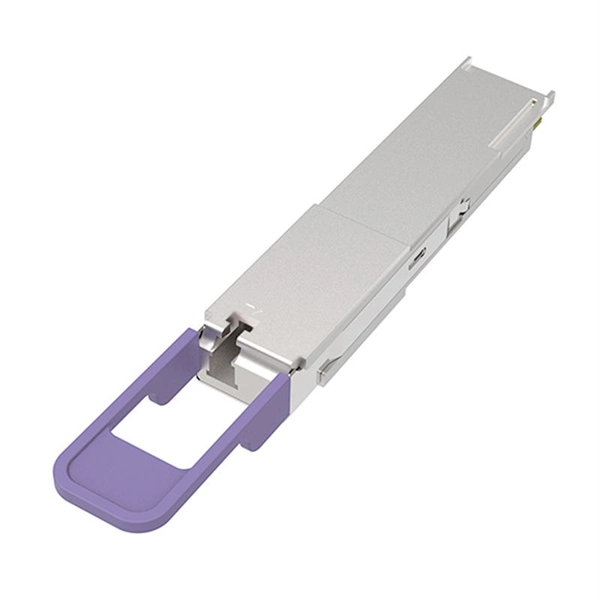
Illustrative equipment image

How do fiber optic cables transmit data?

Fiber optic cables transmit data by modulating light waves, typically generated by lasers or LEDs, and guiding these waves through ultra-thin strands of glass or plastic known as optical fibers.

Fiber-optic communication

OverviewApplicationsBackgroundHistoryTechnologyParametersComparison with electrical transmissionGoverning standards

Optical fiber is used by telecommunications companies to transmit telephone signals, Internet communication and cable television signals. It is also used in other industries, including medical, defense, government, industrial and commercial. In addition to serving the purposes of telecommunications, it is used as light guides, for imaging tools, lasers, hydrophones for seismic waves, SONAR, and as sensors to measure pressure and temperature.

How do Fiber Optic Cables Transmit Data, and How Does It Work?

Fiber optic cables can transfer data at a much higher speed because they use light, which travels at approximately 186,000 miles per second, to transmit data. Furthermore, fiber optic cables

Fiber Optic Communication: How Light Carries Data

Discover how fiber optic cables use total internal reflection to transmit data at light speed. Learn about their core and cladding structure, single‑mode

What Is a Fiber Optic Cable and How Does It Work?

A fiber optic cable is a thin strand of glass or plastic that transmits data as pulses of light instead of electrical signals.

How does fiber optics transmit data?

Fiber optics transmits data by leveraging light pulses to represent binary information. Unlike traditional copper cables that transmit data as electrical signals, fiber optic cables utilize photons as

How Fiber Optics Work

Fiber optics (optical fibers) are long, thin strands of very pure glass about the diameter of a human hair. They are arranged in bundles called optical cables and used to transmit light signals over long

The surprising way that fiber optics connects us

A University of Rochester optics expert explains how the thin strands of glass that transmit light make modern telecommunications possible.

How Fiber Transmission Works: From Light to Data

Fiber optic transmission sends information as pulses of light through a thin strand of material, most often glass or plastic. This method of data transfer has become the foundation for

How Fiber-Optic Cables Transmit Data Over Long

Conclusion Fiber-optic technology has revolutionized the way we transmit information, leveraging the speed of light to deliver data efficiently and reliably

How Fibre Optic Cables Transmit Data Explained

How fibre optic cables transmit data using light signals. Explore components, transmission methods, and why fibre offers faster, more secure

How Do Fiber Optics Transmit Data?

Wondering how fiber optics transmit data over long distances? This article breaks it down in simple terms; learn more with our expert guide.

What Is Fiber Optics? Definition from SearchNetworking

What is fiber optics? Fiber optics, or optical fiber, refers to the technology that transmits information as light pulses along a glass or plastic fiber. A fiber optic cable can contain a varying

How do fiber optic cables transmit data?

Fiber optic cables have become the backbone of modern telecommunications, facilitating the rapid and reliable transmission of data across vast distances. Their impact on everything from

What Is Optical Fiber Technology, and How Does It Work?

What Is Optical Fiber (Fiber Optics) Technology? Fiber optics, or optical fibers, are long, thin strands of carefully drawn glass about the diameter of a human hair.

What is Fiber Optic Cable and How does it Transmit Data?

Fiber optic cables use light signals to transmit data at high speeds across long distances. This article explains the technology behind fiber connectivity and its role in modern broadband

Fiber Optics

Fiber optic cable carries much more information than copper cable. Two strands of optical glass fiber can transmit the equivalent of 24,000 telephone calls all at the

What Is a Fiber Optic Cable and How Does It Work

A fiber optic cable uses thin glass or plastic fibers to transmit data as light pulses, enabling fast, clear, and reliable communication over long distances.

Related Video Reference

This video was associated with the source search result. Verify technical details against current product documentation and project requirements.

Share your network requirements

Share the fiber interfaces, termination capacity, cable route and evidence required for handover.

Send a project brief