
What is the Difference Between NEMA and IP Ratings?
Both NEMA and IP ratings are standards that define levels of sealing effectiveness of electrical enclosures. However, NEMA includes additional prod...
Search optical fiber, connectivity, cable management and network infrastructure references.
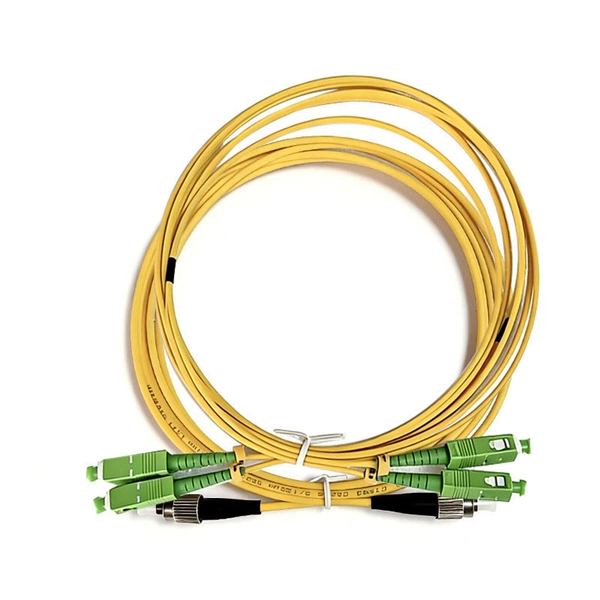
Ensure you have durable fixings such as brackets, screws, bolts and clips to keep the cable tray securely mounted and cables safely supported along the entire route. This will help maintain the stability of the cable tray even under the weight of heavy cables in challenging...
[PDF Version]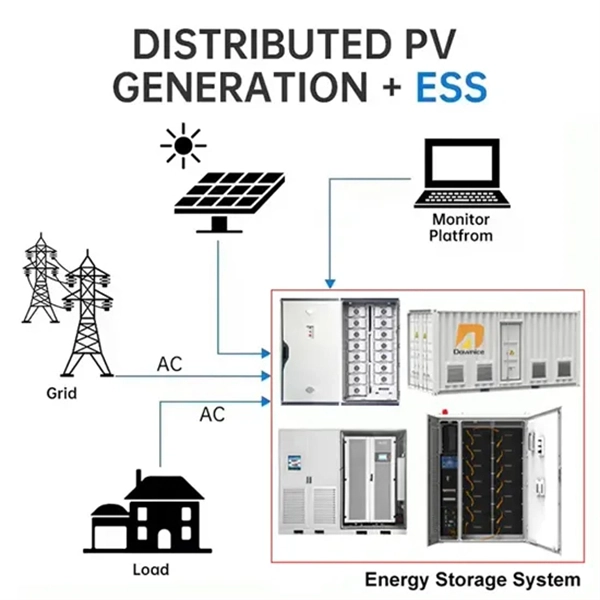
Use mounting brackets or toolless installation methods to firmly attach the PDU to the cabinet. Bundle cables by branch or machine to avoid tangling. Organize power cords using cable ties, clips, or organizers. In the industrial sector, electrical cabinets play a crucial role...
[PDF Version]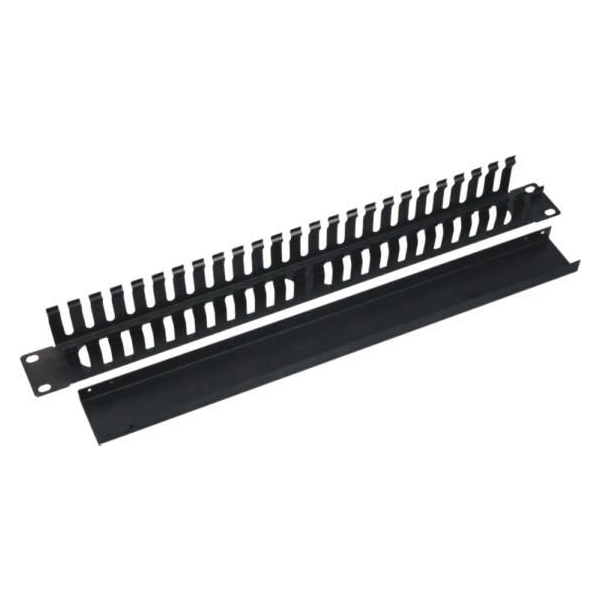
A tripped circuit breaker moves to the off position or shows a red or orange tab, looking different from the other breakers in your electrical panel. You can reset your breaker by turning it fully off, waiting one minute, then flipping it back on to restore power to your...
[PDF Version]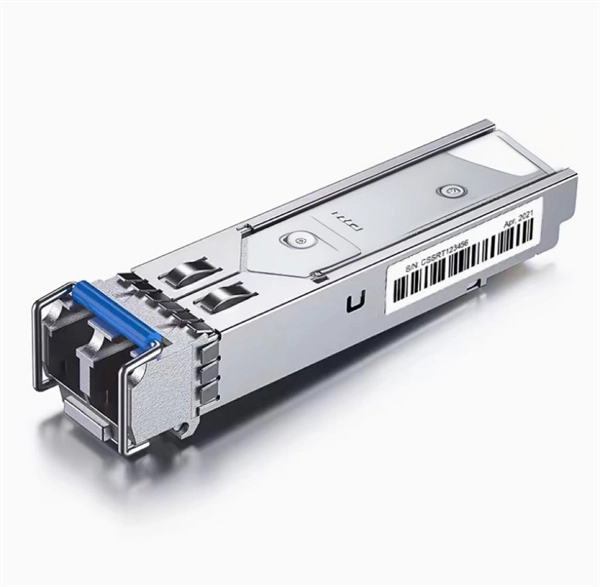
Box extenders are inexpensive, easy to install and — best of all — they bring your electrical installation up to code. Whether in your own home, in a rented apartment or in a business, the distribution box is a central element of every electrical system. If you add a layer of...
[PDF Version]
Typical residential installations or replacements range from $600 – $2,000 (most between $1,000 – $1,400), with 200A-rated and outdoor-weatherproof units positioned at the higher end. TendersOnTime, the best online tenders portal, provides latest Sierra Leone Electrical...
[PDF Version]
How ⭐ to Secure Electrical Boxes Safely and EffectivelyThis guide will walk you through everything you need to know about securing electrical boxes, ensuri.
[PDF Version]Both NEMA and IP ratings are standards that define levels of sealing effectiveness of electrical enclosures. However, NEMA includes additional prod...
The choice between metal and non-metal depends on your specific needs. Metal enclosures offer better durability but may not be ideal in corrosive e...
Locks provide an added layer of security to protect sensitive electrical components from unauthorized access or tampering.
Drive a ground rod into the earth and attach a grounding wire to the main electrical panel to add grounding to an existing panel. Understanding how to properly install. Grounding electrical wires is a crucial step in ensuring the safety of your home's electrical system...
[PDF Version]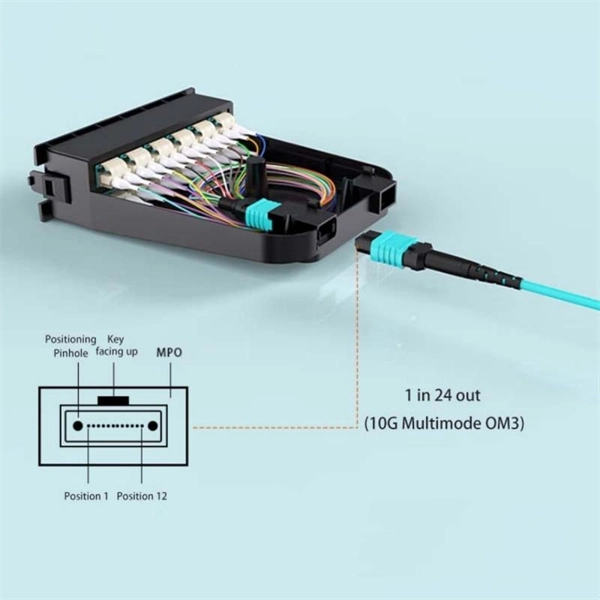
Splicing: Joining two fiber ends (e., connecting a trunk cable to a distribution cable) via fusion or mechanical splicing, with splices protected in trays. Understanding their differences benefits, and implications on costs and project timelines is vital for effective...
[PDF Version]Share the fiber interfaces, termination capacity, cable route and evidence required for handover.