
How Optical Communication Cables Work And How They
Search optical fiber, connectivity, cable management and network infrastructure references.
- Optical
- Communication
- Cables
Articles and technical references
8 on this page-
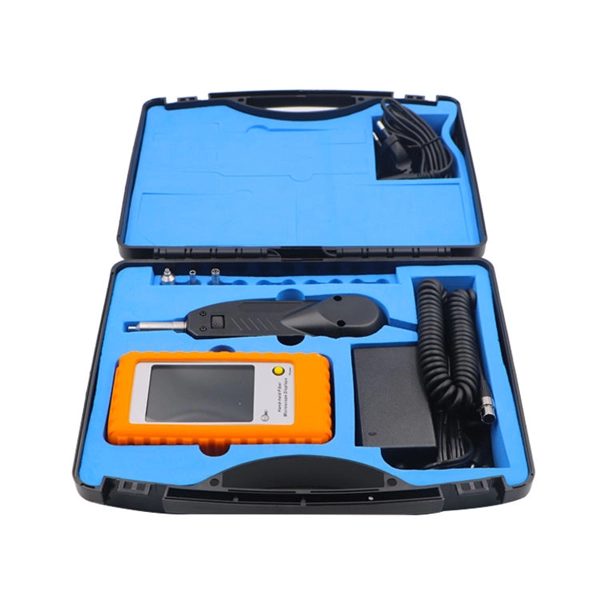
How to select linear optical fiber cables for communication
Understand how to choose fiber optic cable by comparing single‑mode vs. multimode, network speed and distance needs, cable jackets/fire ratings, connectors, cost and future‑proofing for data and telecom networks. This document will provide an understanding of optical fibre...
[PDF Version]
-
How to Select Optical Fiber for Communication Cables
By understanding key factors like fiber type, cable jackets, connectors, and environmental conditions, you can choose the right cable the first time. There are primarily two types of fiber optic cables: single-mode (SMF) and multimode (MMF). Single-mode Fiber (SMF): SMF...
-
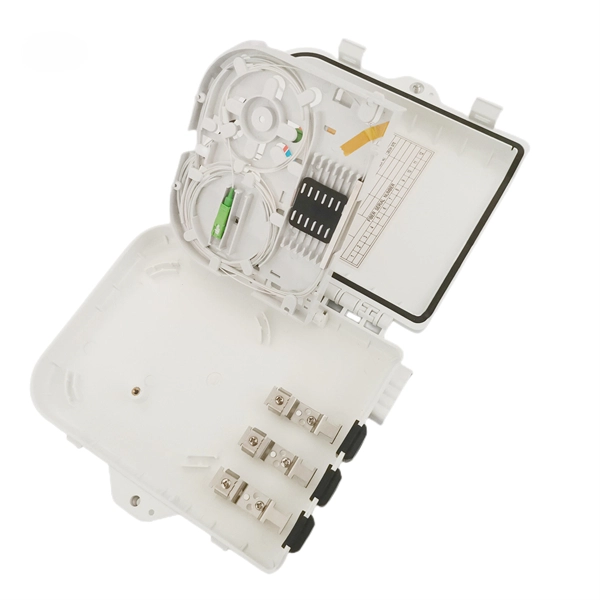
China receives optical fiber cables for communication
China's national optical fiber cable network length from 2015 to 2025. Data from the Ministry of Industry and. Optical cables consist of thin, flexible fibers made of silica glass or plastic, which guide light signals through total internal reflection. China's proficiency...
[PDF Version]
-
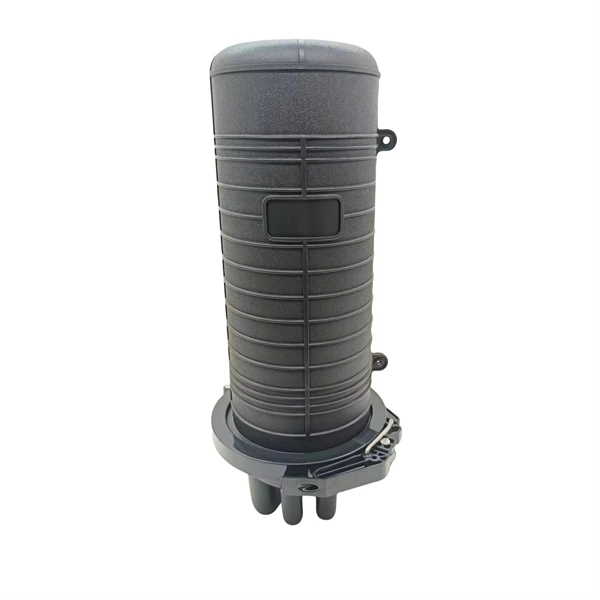
How many cables are there in the Middle East optical fiber cable
The supply landscape for optical fiber cables in the Middle East is even more concentrated than its demand profile, indicating a high degree of regional self-sufficiency in cable manufacturing, albeit from a l.
-
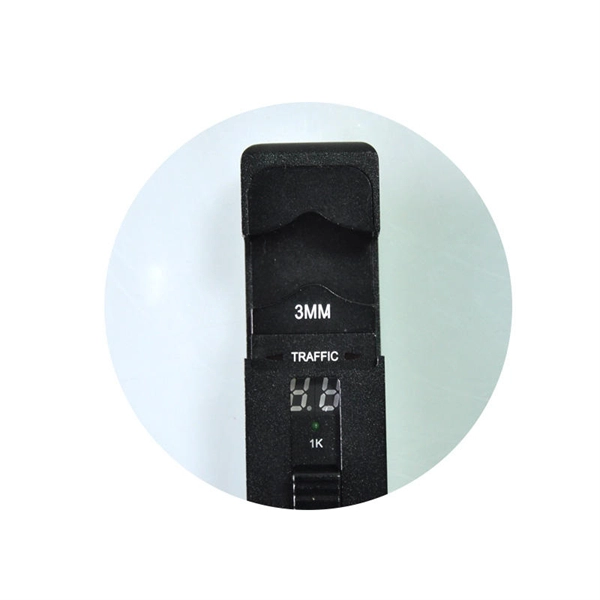
How to quickly understand optical cables
A fiber optic cable is a cable that uses thin fibers of glass or plastic to transmit data as light signals. These cables work based on the principle of light refraction, which allows them to carry information across long distances, unlike regular copper wires, which use...
[PDF Version]
-
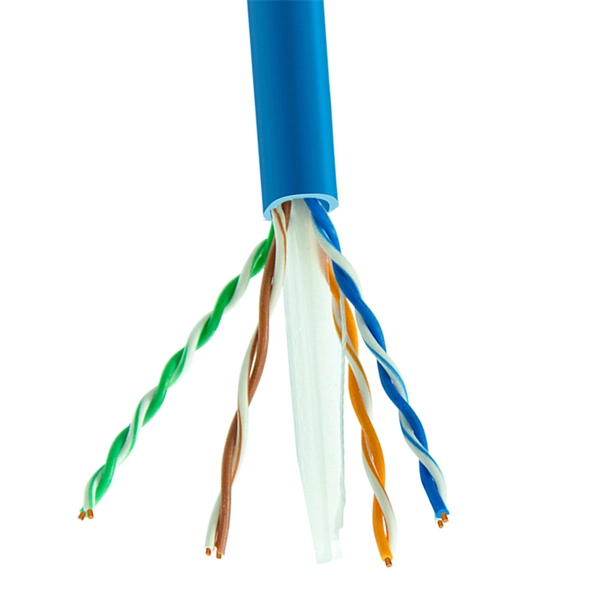
How long should the direct burial distance for cables and optical fibers be
General guidance for direct burial in soil is 24 to 36 inches (60 to 90 cm). In rocky areas, a minimum of 12 inches (30 cm) is recommended. In less dense areas and in the presence of loose soil or tractors, shoot for a cable burial depth closer to 48 inches (120 cm) to...
[PDF Version]
-
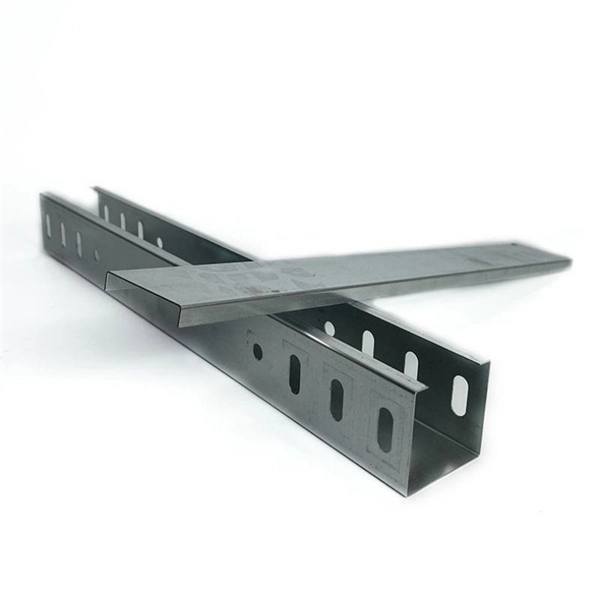
Recording the length of optical cables in communication engineering
The document discusses various methods for measuring optical fiber length, including Optical Time Domain Reflectometry (OTDR) and Fresnel reflection techniques. The cutback method is mainly used in test at the manufacturing facility and the back reflection method is normally...
[PDF Version]
-
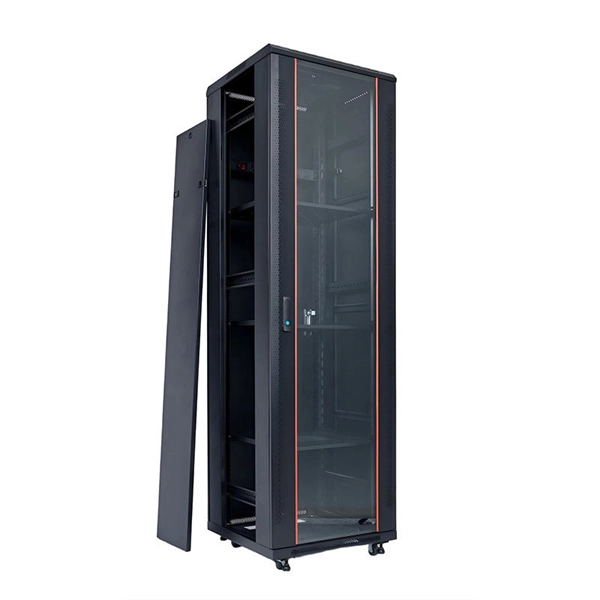
Key Points for Protecting Optical Cables in Communication Pipelines
Fiber optic cable encryption is crucial for safeguarding data transmission, utilizing techniques such as optical encryption, secure key distribution, and additional layers of security. In North America, the American National Standards Institute (ANSI) and the Insulated Cable...
[PDF Version]