
Technical notes
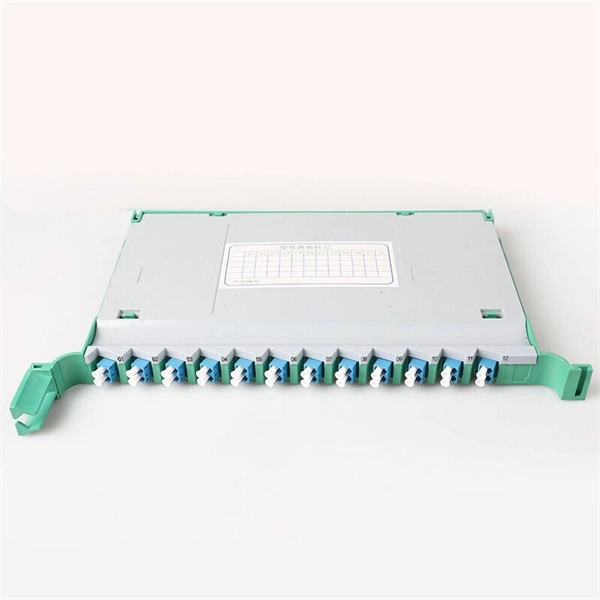
DISTRIBUTION BOX
Each DISTRIBUTION BOX and controller must be grounded. On the US market, a 5.26 mm 2 (10 AWG) ground wire must be used, and in all other markets a 6 mm 2 must be used.
Distribution System Grounding
It is recommended to ground the neutral at various strategic locations in distribution substations, overhead lines and underground cables, distribution transformers, and all loads.
How To Ground The Distribution Box
The metal box itself should be processed with a "box grounding bolt" (with PE mark), which must be connected to the grounded PE bus with a copper core wire or a special braided soft wire;
Grounding system construction: key points for grounding distribution
Everything looks perfect until the moment of truth arrives. That''s why today we''ll break down the life-or-death details of grounding distribution boxes and cable shielding layers using plain
Grounding System Installation Standards for Distribution Boxes and
Whether you''re a seasoned pro or just starting out, this comprehensive guide will give you practical insights into proper grounding techniques, with a special focus on how selecting quality
How to Ground an Electrical Panel: NEC Requirements
A comprehensive guide on properly grounding an electrical panel according to NEC Article 250. Learn the difference between grounding and
Requirements And Specifications For Installation Of Distribution Boxes
In flammable and explosive environments, explosion-proof distribution boxes should be selected and explosion-proof treatment should be carried out. The installation of explosion-proof
Distribution System Grounding
Improper grounding in secondary systems can cause safety issues including fire and failure of equipment in homes. Most common problems are open secondary neutral, load incorrectly
Correct Connection Method Of Grounding Wire Of
Generally, copper core wire is selected as the ground wire and connected to the PE wiring bar. When connecting, it is necessary to strip the wire
Grounding Practices in Power Distribution Systems
The installation of grounding methods for transmission lines is absolutely necessary in order to guarantee the safety, dependability, and effectiveness of power distribution systems.
Grounding requirements for main panel and subpanel
The main panel should be grounded (probably with 2 grounding rods) and the grounded (neutral) and grounding buses should be bonded in the main panel. The subpanel probably isn''t far
9 Recommended Practices for Grounding
Grounding and bonding are the basis upon which safety and power quality are built, and they provides low-impedance path for fault current.
National Electrical Code 2023 Basics: Grounding and Bonding Part 1
Equipment grounding is the connection to the ground of non-current-carrying conductive materials – e.g., cable trays, metallic conduits, junction boxes, transformer casings, and motor
What is grounding and why do we ground the system
What is grounding? The term grounding is commonly used in the electrical industry to mean both “equipment grounding” and “system grounding”.
Electrical grounding and bonding per NEC
Examples of ground-fault current paths are any combination of equipment grounding conductors, metallic raceways and electrical equipment. Grounded (grounding): Connected
Why are Neutral and Ground Wires Bonded in a
Why Do We Need to Bond the Ground and Neutral in the Main Panel? Consider the following properly grounded and bonded main and subpanel in accordance with
Primary and secondary power distribution systems
Primary distribution systems Primary distribution systems consist of feeders that deliver power from distribution substations to distribution
The basics of primary distribution circuits (substation
The most common distribution primaries are f our-wire, multi-grounded systems: three-phase conductors plus a multigrounded neutral. Single
Related Video Reference
This video was associated with the source search result. Verify technical details against current product documentation and project requirements.