
Technical notes
The Detail Guide to Transceiver Testing and Quality Control
Optical module transceivers are the main end-to-end components in fiber optic systems and optical communications. QSFPTEK suppliers have strict transceiver testing and quality control
Transceiver Fiber Inspection and Cleaning
It is generally not a good use of time to inspect non-contact surfaces. The best way to determine if the transceiver is viable is to perform a loss test. Because there is no physical contact, there is no risk to
All hands on tech: Our guide to proper optical transceiver care
Before you plug in your optical transceiver, check the lens. Sounds obvious but to avoid contamination, your first step is to properly inspect each individual module to confirm that they definitely need cleaning.
Advanced Troubleshooting Guide for Optical Transceiver (2025)
Technicians now require advanced tools like bit error rate testers (BERT), signal integrity analyzers, and real-time DDM monitoring. This guide provides a deep technical overview of how to troubleshoot sfp
Westover Scientific: TECH NOTE
There are two interfaces of a SFP transceiver. The Transmit (TX) side contains a small fiber stub similar to most simplex fiber end-faces that is easily inspected and analyzed with Westover''s probe
How to Test Optical Transceiver Modules: Methods, Metrics & Best
Learn how to test optical transceiver modules using power meters, BERT testers, and DDM tools. Ensure compatibility, performance, and reliability in data center and enterprise networks.
Demystifying Optical Transceiver Failures: Common Issues
These compact devices convert electrical signals to optical signals and vice versa, enabling data transmission over fiber optic cables. While generally reliable, failures do occur, leading
Advanced Troubleshooting Guide for Optical Transceivers(2025)
In this 2025 edition of our Advanced Troubleshooting Guide, we explore common issues, diagnostic tools, and practical steps for resolving problems with optical transceivers, helping network
Something You Need to Know: How to Test an SFP Transceiver?
After each test item, the optical module needs to be inspected under a microscope to see if there is dirt and scratches on the module end face. If there is dirt, it needs to be cleaned.
Diagnosing and Solving Common Optical Transceiver Failures
In this article, we discuss the main reasons and solutions for optical transceiver connection failures, which may help you with diagnosing common module issues.
How to Verify Optical Transceiver Firmware and Ensure Compatibility
Verifying optical transceiver firmware and ensuring compatibility is a small set of disciplined checks that prevents big outages. Whether you manage a data-center fabric, campus switches, or carrier
Advanced Troubleshooting Guide for Optical Transceiver (2025)
This guide covers diagnostics, tools, and maintenance for fiber optical transceivers in modern data centers,Learn how to troubleshoot optical transceivers.
Cleaning Fiber Optic Transceivers: A Step by Step Guide
To avoid severe issues, fiber optic transceivers need to be cleaned. Optical transceivers may be small, however, they''re a result of highly sophisticated engineering and manufacturing.
How to Test an SFP Transceiver and Network Cable
See how to test an SFP transceiver and network cable simply and inexpensively with a live fiber detector. Also, see how to test with an optical power meter.
Knowledge Article View
The end result will look like this, Tx icon in red, Rx in green : For other inspection devices, understanding how transceivers couple light TO (Tx) and FROM (Rx) the fibers will go a long way in helping you
How to Troubleshoot A Fiber Optic Transceiver?
How to troubleshoot a fiber optic transceiver? This article will focus on how to troubleshoot and resolve transmission, information reading, and hardware failures of the optical module.
FS 800G&400G Transceiver Acceptance Testing Guide | FS
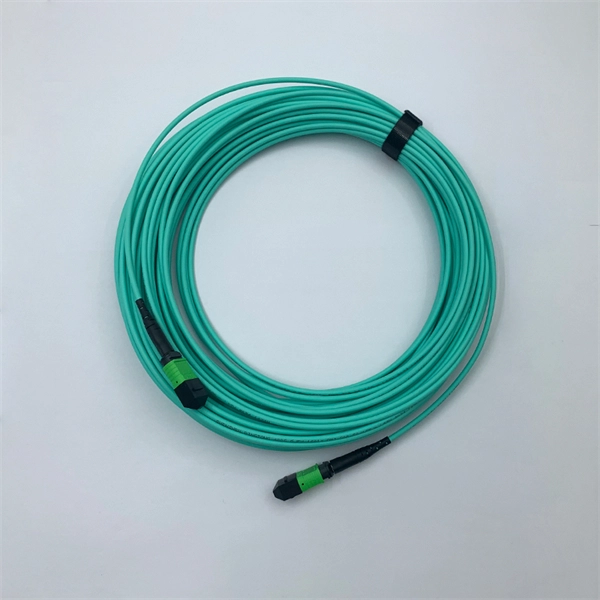
2 Use an MTP end-face cleaning pen to inspect and clean the end faces of optical modules and jumpers again. Immediately install dust caps on the OSFP transceivers and MTP jumpers.
Comprehensive Testing Guide for Fiber Optic Transceivers
Optical Transceiver Testing Before Assembly Incoming Quality Control (IQC) and inspection of surface-mounted components are crucial for fiber
Related Video Reference
This video was associated with the source search result. Verify technical details against current product documentation and project requirements.