
Technical notes
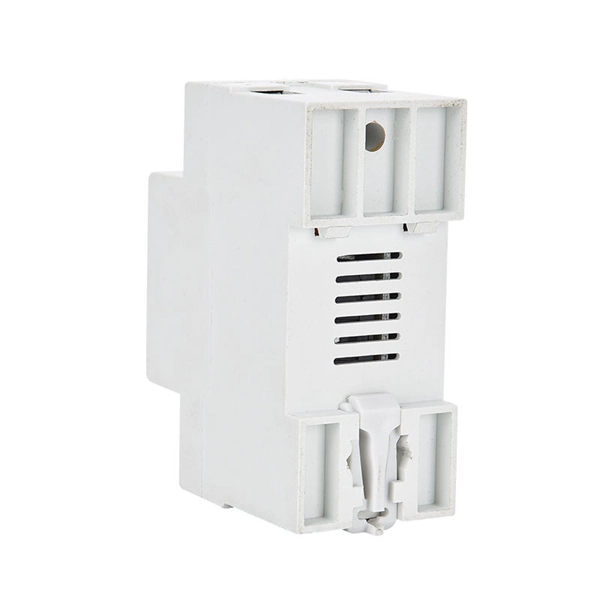
Preventing condensation in distribution boxes: application of heaters
Condensation in electrical enclosures isn''t inevitable—it''s manageable. By understanding how moisture behaves and implementing strategic combinations of heaters, moisture-proofing
How to Prevent Condensation in Electrical Enclosures
Moisture in electrical enclosures causes corrosion and faults. Learn practical ways to control condensation using heaters, desiccants, sealing, and ventilation.
How to Prevent Condensation in Enclosures
The good news is, you can prevent it by using the right enclosure, adding ventilation, controlling heat and moisture, and doing regular checks to catch issues early.
How to prevent condensation inside electrical enclosures?
The enclosure is needed to protect valuable electrical components from outside threats and people from equipment threats. This article provides a quick glance and tips on how to prevent condensation
How to Prevent Condensation in Electrical Enclosures
Reduced Equipment Lifespan: Constant exposure to moisture accelerates wear and tear on electrical systems. There are typically two main reasons for condensation forming inside
How to prevent condensation in electrical enclosures
Learn how to keep electrical enclosures warm and dry to prevent condensation, protect devices, and ensure long-lasting electrical safety.
How to deal with moisture in the power distribution cabinet
Corrosion, moisture and condensation in power distribution cabinets and power distribution boxes, electrical short-circuits of busbar bridges, and moisture accumulation in cable trenches often occur.
3 Solutions to Protect your Electrical Enclosures From
What is condensation? Formation of condensation is one of the biggest dangers for electrical enclosures. Condensation is caused by hot, humid
How to prevent condensation in electrical enclosures and cabinets
How to prevent condensation in electrical cabinets Anti-condensation paint These are specialist coatings for minimising the effects of moisture condensing under intermittently dry and
Best Practices to Manage Condensation in Electrical
You use electrical enclosures to protect devices. That''s the whole point, so if your enclosure is collecting a bunch of moisture and condensation, it
How to Prevent Condensation in Your Electrical Enclosures?
A dehumidifier for enclosures should be used to prevent moisture damage to sensitive electronics. Quite a few variants exist. An example is a dehumidifier, which uses a tiny fan and a
How to Prevent Condensation in Electrical Enclosures
How to Prevent Condensation in Electrical Enclosures Condensation within electrical enclosures is a common issue that can lead to serious problems for your equipment. At ISC Sales,
Moisture Problems in Electrical Systems | Cable Tray Institute
Electrical equipment failures may result in electrical system outages and excessive maintenance costs. Seals (explosion proof) are sometimes installed in conduit systems as moisture barriers. Conduit
How to Prevent Condensation in Enclosures
Learn how to prevent condensation in enclosures with smart design, ventilation, heating, and material choices for long-term equipment safety.
Moisture in Electrical Panels: Causes & Fixes
In this blog, local electrical contractor Anthony''s Cooling-Heating-Electrical. shares an overview of what causes water damage and corrosion in
How to Eliminate Moisture in Electrical Cabinets
This whitepaper " Eliminate Moisture in Electrical Cabinets and Save Maintenance and Component Expenses" discusses the moisture and condensation issues in
Preventing Moisture in Electrical Cabinets Wet Locations
Learn how to prevent moisture accumulation in electrical cabinets and cutout boxes in damp or wet locations. This video explains the required air space between the enclosure and the wall.
How to prevent condensation in enclosures
Frost can potentially cause malfunctions or even failure in sensitive electrical systems. Condensation in electrical panels can be especially dangerous. How to prevent moisture in
Related Video Reference
This video was associated with the source search result. Verify technical details against current product documentation and project requirements.