
Technical notes
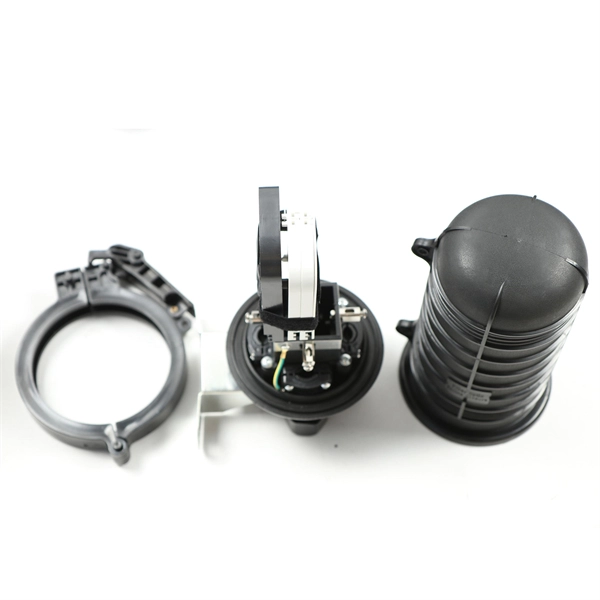
Distribution Box and Selection Guide: Internal Structure, Components
Learn how to choose a distribution box and understand its internal structure, including MCBs, busbars, neutral bars, earth bars, RCDs, RCBOs, SPDs, enclosure ratings, and wiring layout.
Cable Distribution Box Layout: 10 Industrial Strategies
Choosing the appropriate type of cable distribution box is the premise of layout optimization, which needs to be selected based on
Cable Calculator
Eland Cables'' Cable Size Calculator can help you determine the most appropriate cable size for your installation against British and IEC standards. Complete the sections below to calculate your results.
How to Find the Right Size of Wire and Cable in NEC & IEC?
You may use v oltage drop calculator or manual methods using different voltage drop formulas to determine voltage drop and wire size. If the calculated voltage drop is less than the maximum
Electrical Cable Sizing Guide: Professional Formulas, Load Tables
Learn professional electrical cable sizing with formulas, load tables, voltage drop checks, and real-world examples for safe, efficient designs.
Cable Sizing Calculator for Engineers and Electricians
To estimate cable size, enter the load current or power, system voltage, circuit type, one-way length, conductor material, and maximum voltage drop. The calculator checks ampacity and voltage drop,
Electrical Cable/Wire Sizing
Electrical cable sizing is one of the most critical aspects of an electrical installation project. Selecting the correct wire size impacts safety, energy efficiency, cost, and project timeline. Incorrect
How to Select a Cable Branch Box Based on Load Requirements
By carefully assessing your load capacity needs, evaluating circuit requirements, and considering environmental factors, you can choose a cable branch box that perfectly suits your
Cable Sizing Calculation
This calculation can be done individually for each power cable that needs to be sized, or alternatively, it can be used to produce cable sizing waterfall charts for groups of cables with similar
Size determination, installation method and wiring mode of distribution
The distribution box is the central hub of the home circuit and the general control of our daily power consumption. It is an indispensable electrical equipment. If there are some potential safety hazards,
Requirements And Specifications For Installation Of Distribution Boxes
In flammable and explosive environments, explosion-proof distribution boxes should be selected and explosion-proof treatment should be carried out. The installation of explosion-proof
How to Select the Right Cable Distribution Box for Your Project
How to Choose the Right Cable Distribution Box Voltage and current requirements Voltage level: Ensure that the cable distribution box matches the system voltage (e.g., low voltage
How to size a Cable Correctly Step-By-Step
Top 100 Questions on how to size a cable, How do we measure the correct cable size, How do we determine the right size wire, how to measure
Wiring of the Distribution Board with RCD (Single Phase Home Supply)
Wiring Accessories for Single Phase Distribution Board Main Distribution Board or Fuse Boards (Consumer Unit) usually contains on the following three main units to control and distribute electric
Electrical Load Calculation for Residential Building | DB, SMDB, MDB
🏢 Complete Guide to Electrical Load Calculation for Residential Buildings! In this video, I explain step-by-step how to calculate the electrical load and size the distribution syste
IEEE 525-2007_accepted
IEEE-SA Standards Board Abstract: The design, installation, and protection of wire and cable systems in substations are covered in this guide, with the objective of minimizing cable failures and their
Cable Size Calculator
Free wire and cable sizing calculator for DC, single-phase, and three-phase AC circuits. Covers AWG 14 through 4/0 copper and aluminum, ampacity per NEC 310, and voltage-drop limits — with a full AWG
Electrical Distribution Box Design Guide
The document provides details for designing the electrical distribution box and circuits for a residence. It includes specifications for the main circuit breaker such as size, type, and tripping capacity. It also
Related Video Reference
This video was associated with the source search result. Verify technical details against current product documentation and project requirements.