
Iec Standard For Cable Derating Factors Complete
Search optical fiber, connectivity, cable management and network infrastructure references.
- Standard
- Cable
- Derating
Articles and technical references
9 on this page-
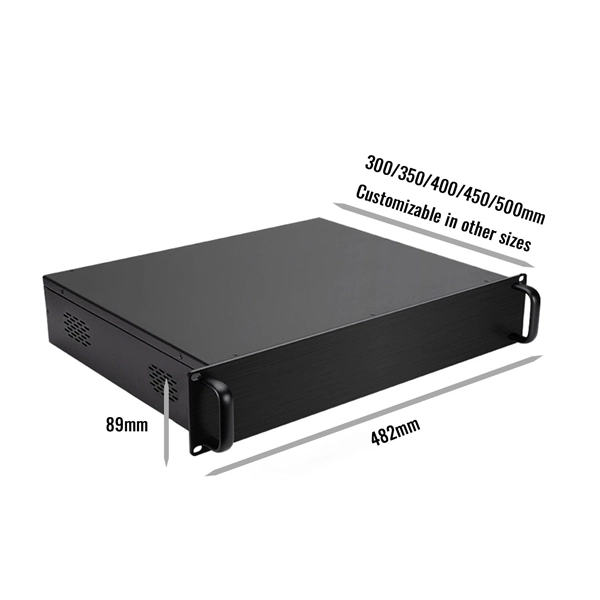
Tension force when using a standard butterfly-shaped optical cable
Most fiber optic cables allow roughly 1,800 to 4,500 Newtons (400 to 1,000 lbf) of pulling tension, and exceeding this limit during conduit pulls risks severe microfractures and higher light attenuation. Tensile strength measures the maximum pulling force a fiber optic cable...
[PDF Version]
-
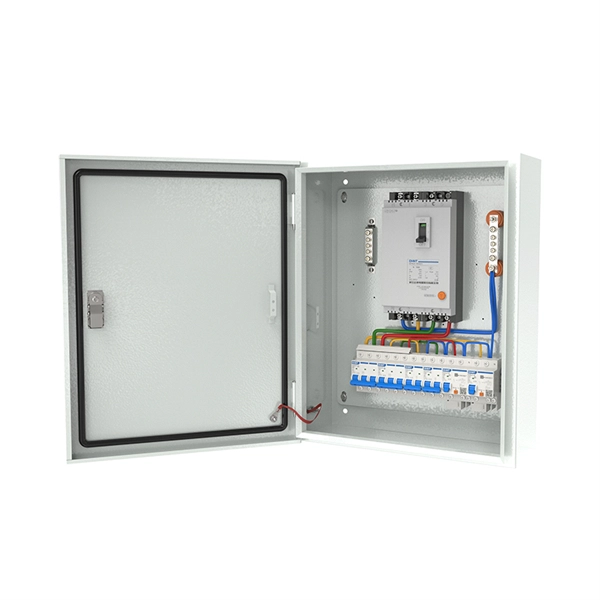
National Standard for Molded Horizontal Cable Trays
The primary rulebook used in the safe use of cable trays is NEC Article 392. This is a description of how to select, install, and support these metal or plastic frames, on which electrical wires are installed. With our many years of experience, we are one of the leading...
[PDF Version]
-
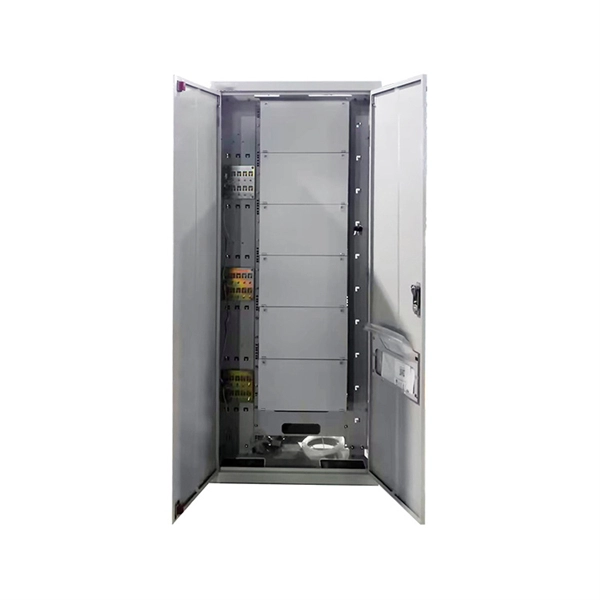
Standard optical cable structure
A fiber-optic cable, also known as an optical-fiber cable, is an assembly similar to an but containing one or more that are used to carry light. The optical fiber elements are typically individually coated with plastic layers and contained in a protective tube suitable for...
-
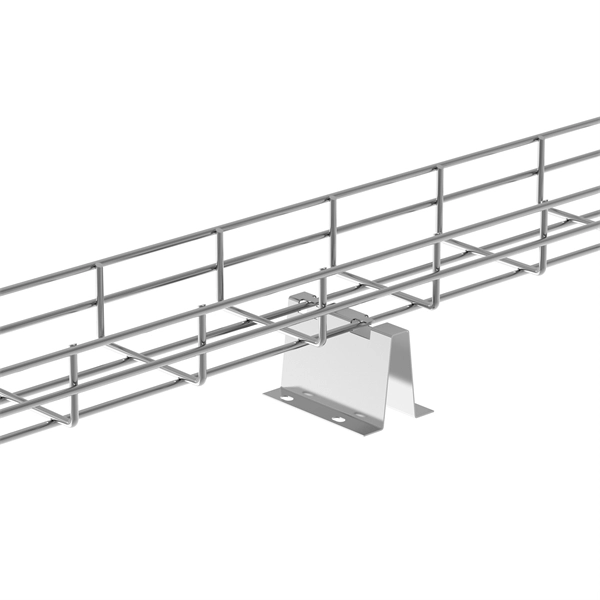
Standard Models of Domestic Cable Trays
There are several types of cable trays, including ladder, perforated, solid bottom, basket, and channel trays. What is Cable Tray?In practice, cable tray dimensions are a system of interrelated measurements —width, depth, length, and material thickness—that directly affect...
[PDF Version]
-
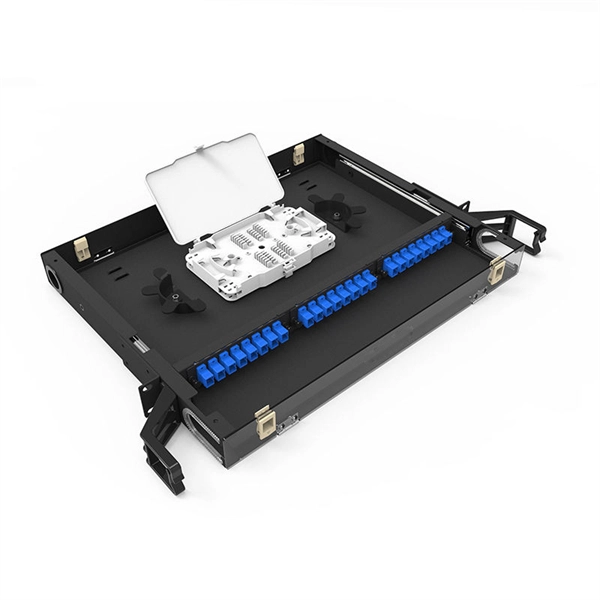
National Standard for Average Loss of 1310 Optical Cable
For singlemode fiber, the loss is about 0. 5 dB per km for 1310 nm sources, 0. 5 dB/km at either wavelength for outside plant max per EIA/TIA 568)This roughly translates into a loss of 0. 1. To be able to judge whether a fiber optic cable plant is good, one does a insertion...
[PDF Version]
-
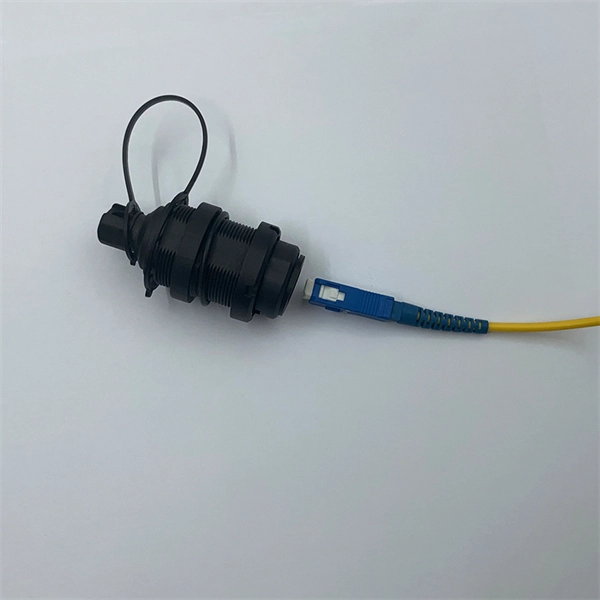
Standard Network Rack Cable Management Installation
This guide covers the technical requirements for modern rack deployments: Cat6A cabling for multi-gigabit infrastructure, thermal dissipation for high-power PoE devices, proper rack depth planning, and SFP+/DAC uplink configurations. It describes the structured, secure...
[PDF Version]
-
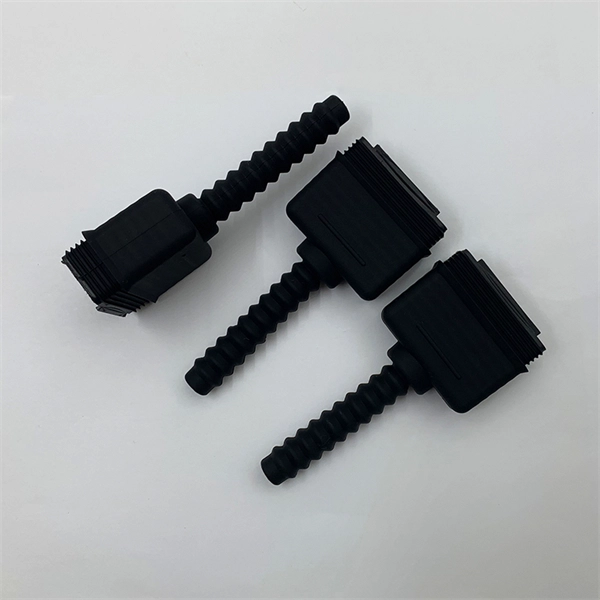
G 652 National Standard for Optical Cable
652 is an international standard that describes the geometrical, mechanical, and transmission attributes of a single-mode optical fibre and cable, developed by the Standardization Sector of the International Telecommunication Union (ITU-T) that specifies the most popular type...
-
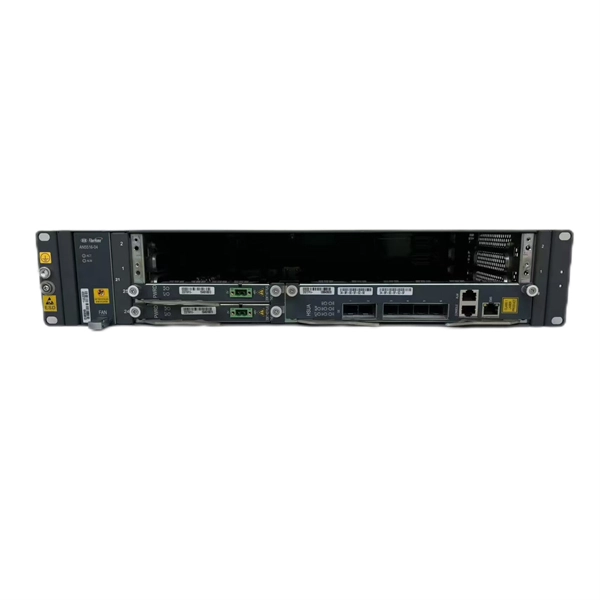
Latest Standard Table for Fiber Optic Cable Pricing
Basic — 1,000 ft single-mode run indoors with minimal termination: Cable $0. 00/ft, Permits $150, Accessories $100. 60/ft, Permits. Buyers typically pay for fiber optic cable by length, fiber type, and installation complexity. This guide presents ranges in USD and practical...
[PDF Version]
-
Standard Height of Mobile Base Station Cable Tray
When vertically installed, the height of cable trays from the ground should not be lower than 1. If the above standards cannot be met, metal covers must be added for protection. OBO BETTERMANN has offered prod-ucts and solutions for electrical instal-lation for over 100...
[PDF Version]
Continue in the technical library
- Composition of AC DC power supply cabinets
- Ranking of Custom Network Distribution Box Manufacturers
- Home electrical distribution box installation method concealed connection
- Installation diagram of distribution box sockets and switches
- Fiber Optic Telecommunication Connectors
- What router is best for a 200Mbps fiber optic connection from a telecom company