
Insertion Loss Vs Return Loss In Fiber Patch Cords
Search optical fiber, connectivity, cable management and network infrastructure references.
- Insertion
- Loss
- Return
Articles and technical references
8 on this page-
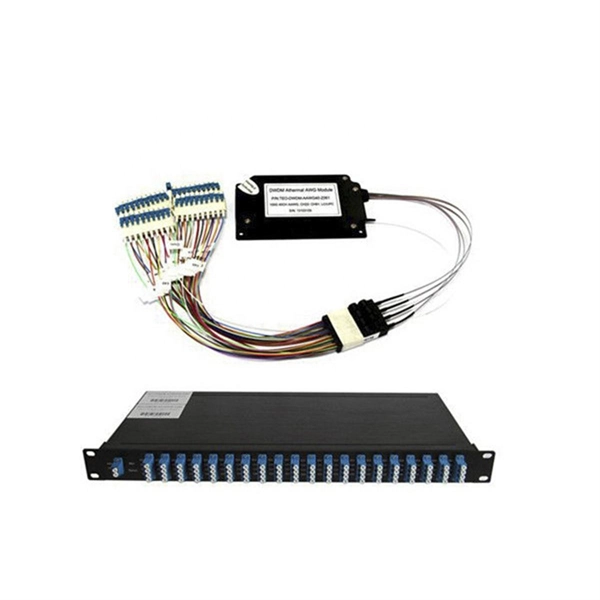
Return Loss of Fiber Optic Circulators
ORL measures the amount of light reflected back toward the source in a fiber optic system— higher ORL (in dB) means less reflection and better performance. Poor ORL is commonly caused by dirty connectors, poor splices, mismatched connector types, or damaged fibers. Fiber...
[PDF Version]
-
What is the normal return loss for optical fiber cables
The typical specification range of return loss of a fiber connector is -15 dB to -60 dB. Return loss refers to the power loss caused by the reflection of part of the signal back to the signal source during transmission due to the discontinuity of. Reflectance (which has also...
[PDF Version]
-
Optical power measurement of fiber optic cable loss
To measure optical loss, you can use two units, namely, dBm and dB. If the optical input power is P1 (dBm) and the optical output power is P2. Fiber Optic Measurement Units: "dB" and "dBm" Whenever tests are performed on fiber optic networks, the results are displayed on a...
[PDF Version]
-
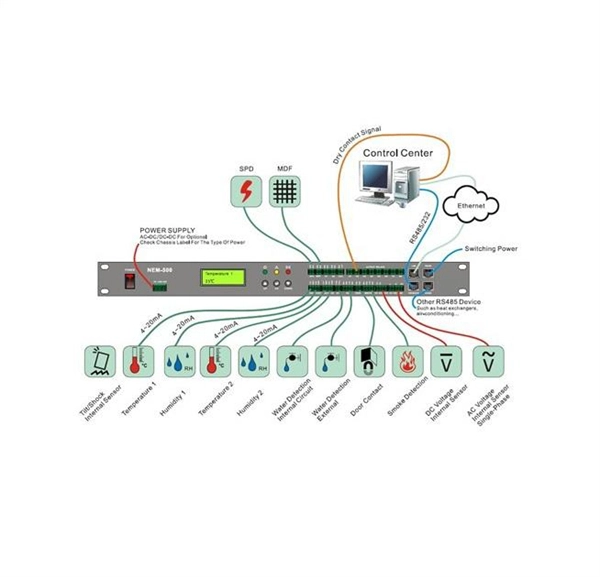
Wavelength correlation loss in multimode fiber
Dispersion remains an enduring challenge for the characterization of wavelength-dependent transmission through optical multimode fiber (MMF). Beyond a small spectral correlation width, a.
-
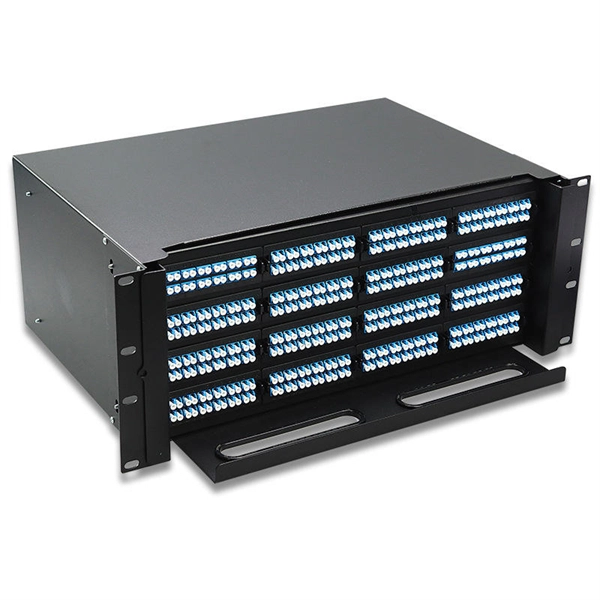
Formula for calculating total loss in single-mode fiber
Total fiber loss is calculated by multiplying the distance by the loss factor, considering the actual cable length. The power budget refers to the amount of fiber optic cable plant loss that a datalink (transmitter to receiver) can tolerate in order to operate properly...
[PDF Version]
-
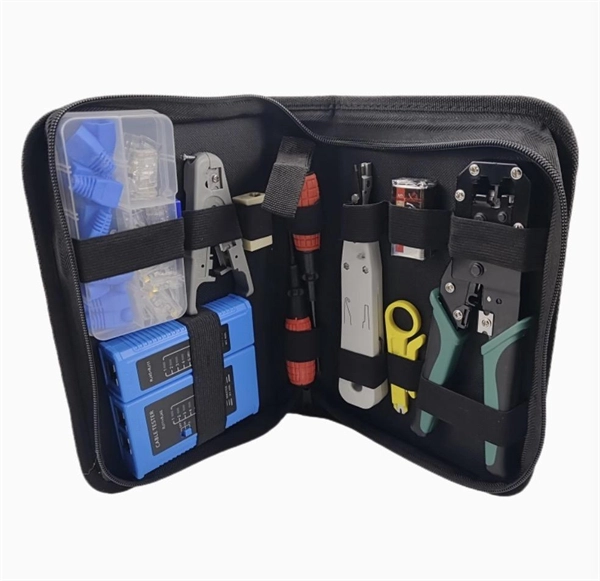
What is the normal loss below dB for fiber optic cables with a B1 connector
A mated pair of standard-grade connectors should not exceed 0. 3 dB, and fiber cable itself loses between 0. 5 dB per kilometer depending on the type and wavelength. Therefore. The estimate, called a "loss budget" is calculated using typical component losses for each part of...
[PDF Version]
-
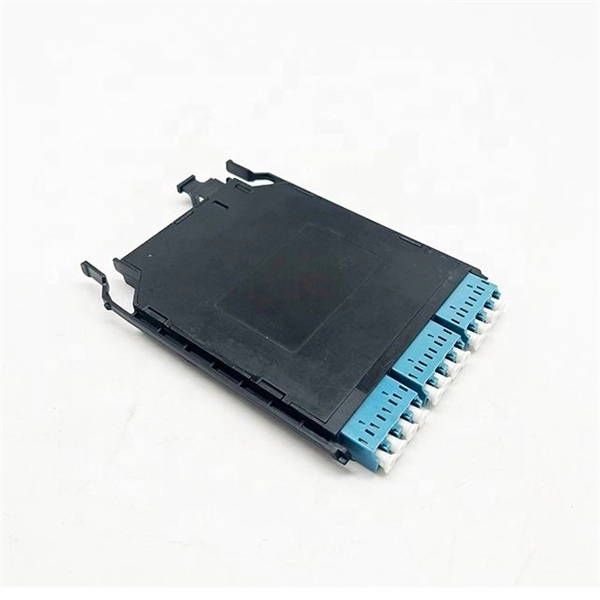
Fiber Optic Cable Fusion Joint Loss
IEC 61300 standards and best practices from Corning and 3M guide professionals toward consistent performance. Understanding intrinsic and extrinsic factors is crucial for minimizing splicing loss. Focus on core mismatch and axial misalignment to enhance signal flow. Optical...
[PDF Version]
-
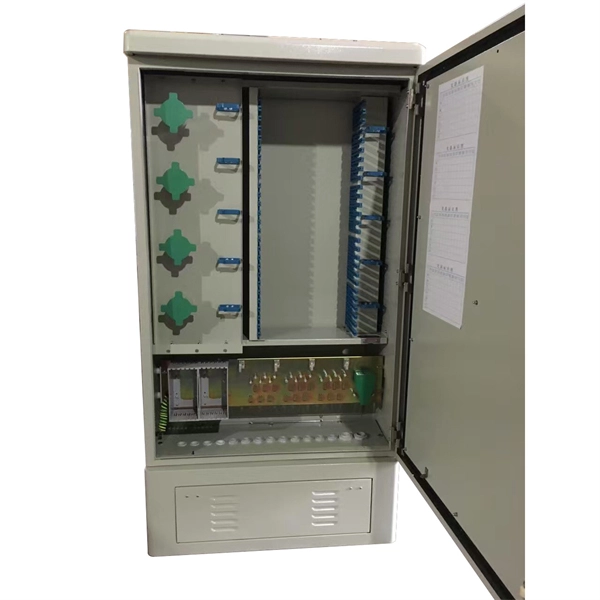
Joint loss in optical fiber splicing
Two different methods exist for splicing fibers: Typical splice loss values (the measure of loss in optical power across the splice point) are usually lower for fusion splices (typically less than 0. 1 dB) than for mechanical splices (around 0. Optical fibers can be joined...
[PDF Version]