
Introduction To Sff Transceivers
Search optical fiber, connectivity, cable management and network infrastructure references.
- Introduction
- Transceivers
Articles and technical references
8 on this page-
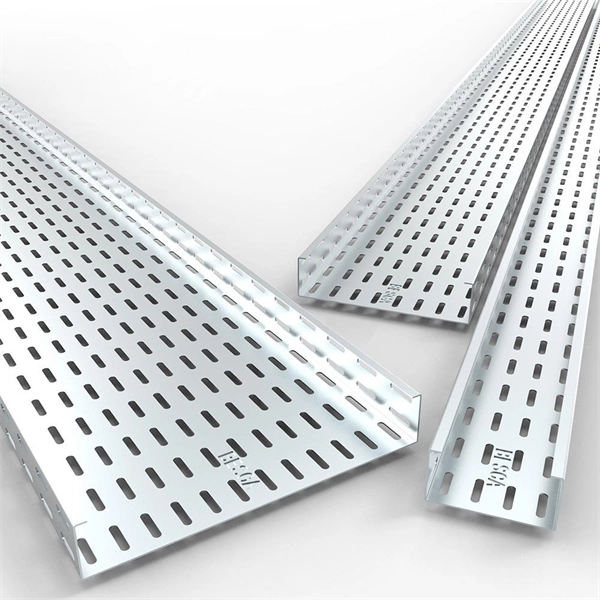
Epon Device Product Introduction and Network Structure
It consists of Optical Line Terminals (OLT), and more than one Optical Network Units (ONUs) and connected through the Optical Distribution Network (ODN). The ODN is an optical access network without any active electronic devices between OLT and ONU. PON was raised in. PON...
[PDF Version]
-
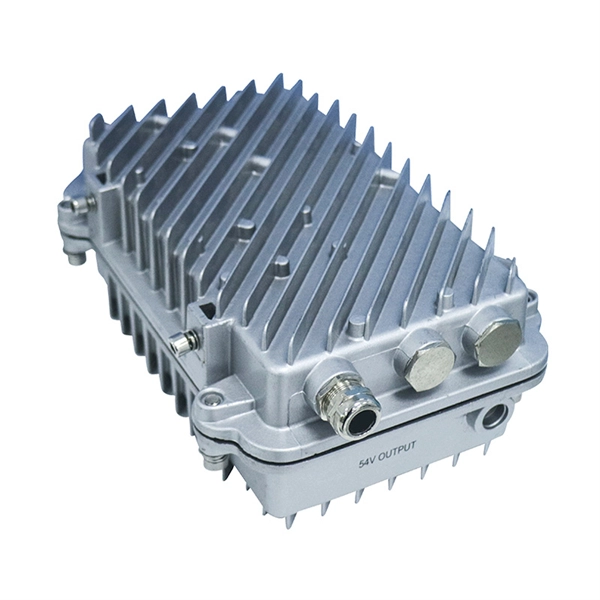
Technical Introduction to Optical Cable Project
The FOA created its Online Reference Guide to provide a more up-to-date and unbiased reference for those seeking information on cabling and fiber optic technology, components, applications and installation. As the backbone of modern communication networks, fiber optics...
[PDF Version]
-
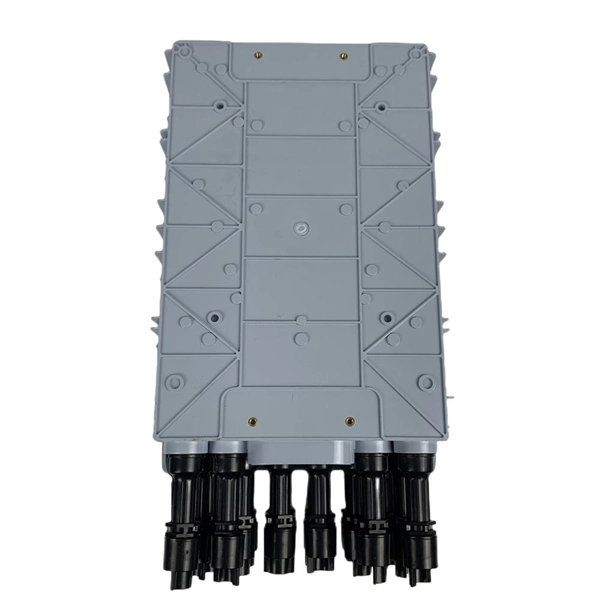
Why are fiber optic transceivers single-mode
This physical constraint restricts the light to a single propagation path or mode. Since SMF forces all light pulses to travel essentially the same distance, the entire pulse arrives simultaneously. A single mode SFP transceiver is a hot-swappable optical module designed to...
[PDF Version]
-
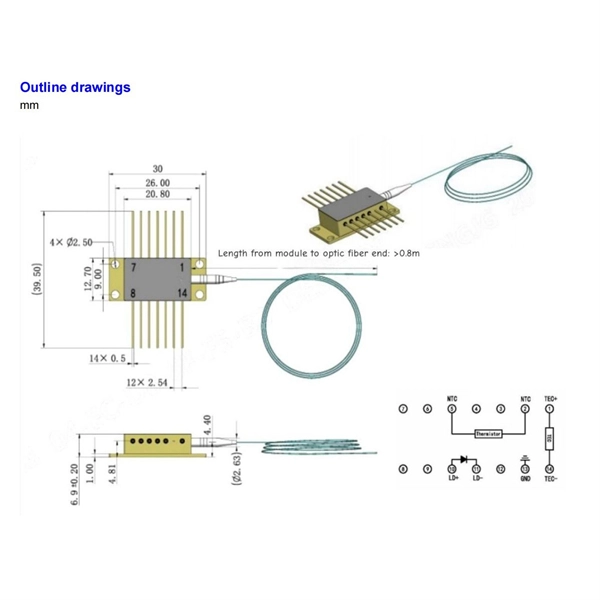
Introduction to QSFP Optical Modules
The QSFP+ optical module, the 40G optical module, is a compact optical module for data communication applications. It has four independent optical signal transmission and reception channels, which are mainly used for high-speed data transmission of switches, routers and data...
[PDF Version]
-
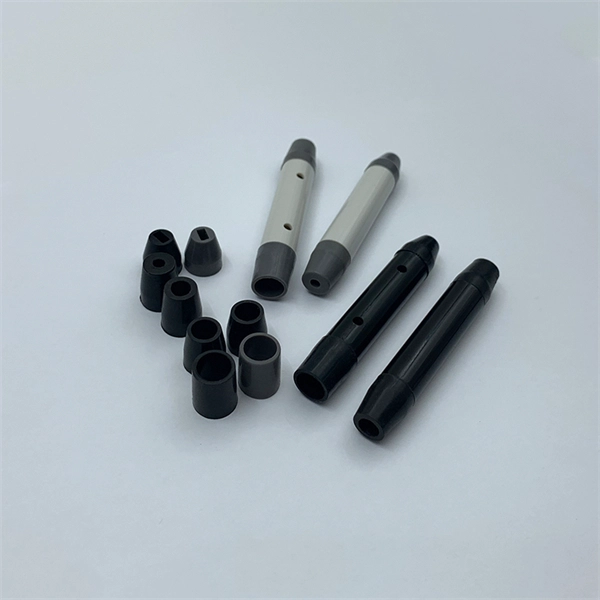
Introduction to Tower Base Station Communication Equipment
Telecommunication towers, often called cell towers or cellular base stations, are robust steel structures engineered to transmit and receive radio frequency (RF) signals, enabling wireless communication across 2G, 3G, 4G, and 5G networks. They are referred to as cell towers...
-
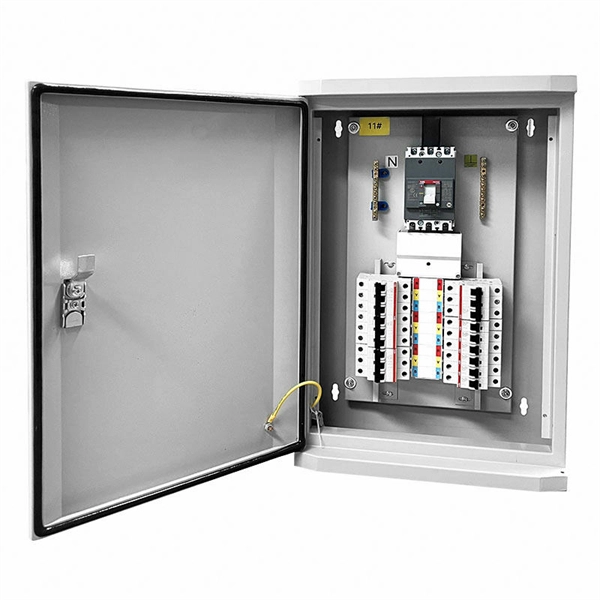
Selection Guide for QSFP28 Long-Distance Optical Transceivers for Backbone Networks
A practical, engineer-friendly guide to choosing the right transceiver form factor by speed, port density, power, migration plan, and operational risk—built for 25G/100G networks in 2026. 25G SFP28 is the new access/server baseline; deploy it for port density. In March 2025...
[PDF Version]
-
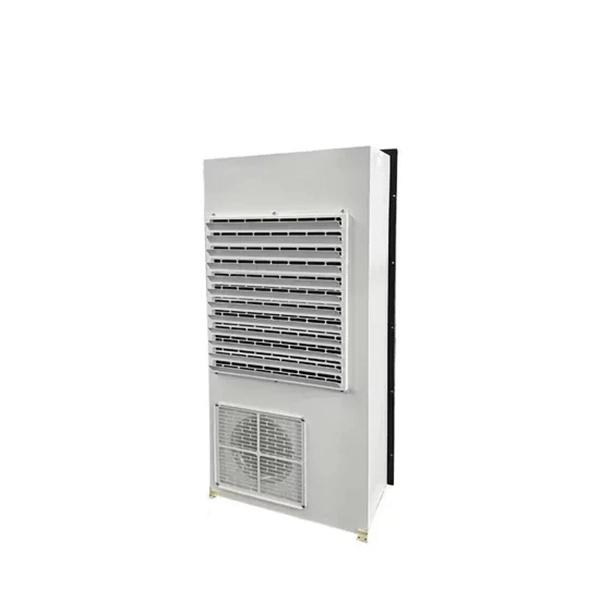
Introduction to Telecom Optical Fiber Distribution Boxes
What is a Fiber Optic Distribution Box? A fiber optic distribution box, also known as a fiber optic terminal box or termination box, is a device used to connect and manage fiber optic cables within a network. It acts as a central point for terminating, splicing, and...
-
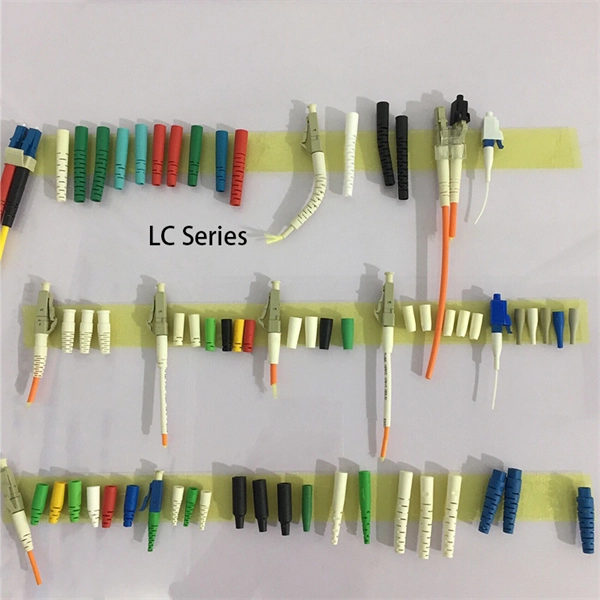
Introduction to Optical Receivers
An optical receiver is an electronic device that detects and converts optical signals into electrical signals. This article provides a more comprehensive introduction to what is optical receiver and its components.