Skip to content
QK FIBERSystems Send a project enquiry
Reference library

Introduction to State Grid Optical Cables

Published
  • Introduction
  • State
  • Grid
Source context

AI source overview

State Grid optical cables, primarily OPGW, combine electrical grounding and high-speed fiber optic communication to enhance power transmission and grid management.

Overview

State Grid optical cables, commonly implemented as Optical Ground Wire (OPGW), are specialized cables installed on high-voltage transmission lines that serve dual purposes: grounding the power system and providing high-speed data communication. These cables integrate optical fibers within a metallic structure, typically a sealed metal tube surrounded by steel and aluminum layers, ensuring both mechanical strength and electrical conductivity.

Structure and Design

Core: Single-mode optical fibers for long-distance, low-loss transmission, usually in a sealed metal tube. Strength Members: Steel wires provide tensile strength to withstand environmental stresses. Conductive Layers: Aluminum or aluminum-steel layers allow the cable to function as a grounding wire and lightning shield.

Appearance: Similar to conventional aluminum-conductor steel-reinforced (ACSR) cables, making them compatible with existing transmission towers.

Applications

Power System Grounding: OPGW cables are installed at the top of transmission towers to protect the grid from lightning strikes and provide a reliable grounding path. Telecommunications: The embedded optical fibers enable real-time communication between substations, control centers, and other grid components, supporting monitoring, control, and fault detection. Smart Grid Integration: They form the backbone for advanced grid technologies, including distributed energy resource coordination and renewable energy management.

Renewable Energy Integration: Facilitate monitoring and control of solar and wind installations, optimizing energy distribution.

Advantages

Dual Functionality: Eliminates the need for separate grounding and communication systems, reducing infrastructure costs. Enhanced Operational Efficiency: Supports high-speed data transmission for grid automation, fault detection, and system protection. Durability: Designed to withstand environmental stresses, including temperature extremes, ice, and wind.

Long-

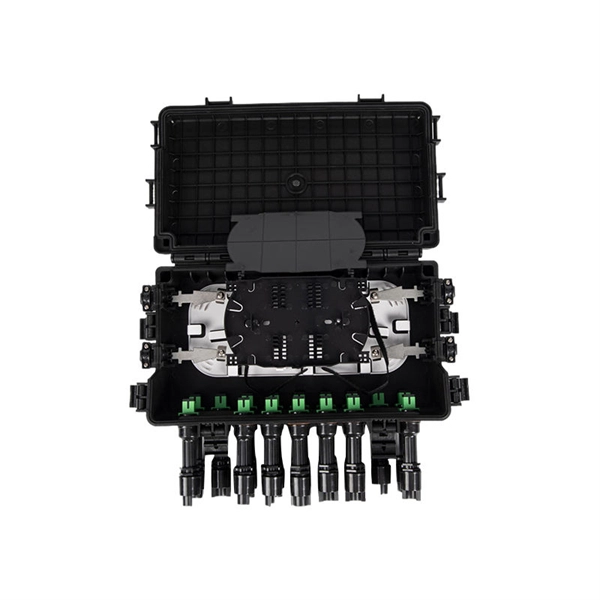
Distance Transmission: Single-mode fibers allow high-speed communication over hundreds of kilometers without significant signal loss. Installation ConsiderationsOPGW cables require careful installation by experienced utility personnel. Splicing is typically performed on the ground and protected in enclosures attached to towers or buildings.

Variants like OPAC (Optical Power Attached Cable) can be wrapped around existing conductors to expand communication capacity without major infrastructure changes.

Conclusion

State Grid optical cables, particularly OPGW, are critical components of modern power grids, combining electrical protection and high-speed communication. Their integration supports smart grid technologies, renewable energy management, and reliable power transmission, making them indispensable for efficient and resilient energy infrastructure.

Research context

Reference summary

An optical ground wire (also known as an OPGW or, in the IEEE standard, an optical fiber composite ) is a type of cable that is used in. Such cable combines the functions of and.

An OPG

W cable contains a tubular structure with one or more in it, surrounded by layers of and.

The OPG

W cable is run between the tops of high-voltage. The part of the cable serves to bond adjacent tow.

Additional context

Source notes

An optical ground wire (also known as an OPGW or, in the IEEE standard, an optical fiber composite ) is a type of cable that is used in . Such cable combines the functions of and . An OPGW cable contains a tubular structure with one or more in it, surrounded by layers of and . The OPGW cable is run between the tops of high-voltage . The part of the cable serves to bond adjacent tow…

From reference to enquiry

Questions for your project

Use these editorial prompts alongside the linked excerpts. They identify items to confirm for your project.

Technical notes

Illustrative equipment image

OPGW Cables: What Are They and Why Power Grids Need Them

Discover what OPGW cable (Optical Ground Wire) is, its technical structure, key benefits for power grids, installation practices, for transmission lines.

What is OPGW Optical Cable? Structure, Working Principle

What is OPGW optical cable? Learn its structure, working principle, advantages, and applications in power transmission systems. A complete guide to Optical Ground Wire (OPGW) for

Optical ground wire

OverviewHistoryConstructionComparison with other methodsApplicationInstallationExternal links

An optical ground wire (also known as an OPGW or, in the IEEE standard, an optical fiber composite overhead ground wire) is a type of cable that is used in overhead power lines. Such cable combines the functions of grounding and telecommunications. An OPGW cable contains a tubular structure with one or more optical fibers in it, surrounded by layers of steel and aluminum wire. The OPGW cable is run between the tops of high-voltage electricity pylons. The conductive part of the cable serves to bond adjacent tow

What is OPGW Cable? A Guide to Optical Ground Wire

Short summary: OPGW (Optical Ground Wire) is a revolutionary cable that combines the functions of a traditional ground wire for power lines with the high

How Does OPGW Work? Working Principle and Internal

How does OPGW work? Learn the working principle and function of Optical Ground Wire (OPGW), including data transmission, grounding, and its

Handbook – Optical fibres, cables and systems

ITU-T has been active in the standardization of optical communications technology and the techniques for its optimal application within networks from the infancy of this industry. However, it is not always

SiTong Cable

The Optical Ground Wire (OPGW) is at the heart of this evolution. By replacing traditional shield wires with OPGW, utilities gain a high-capacity fiber optic link integrated into a robust lightning

Introduction to the Two Most Important Structures of

This essay ZMS delves into two vital structures of OPGW cables: the central strength member and the optical fibers, elucidating their significance,

Why Is OPGW Used in Transmission Lines? Functions,

Discover the dual function of OPGW optical ground wire on power transmission lines—combining grounding and high-speed fiber optic

T&D ''24 Tutorial: Proficiency in Optical Groundwire (OPGW) Design

This tutorial will cover: The three basic design types of OPGW used, the advantages and disadvantages of each, and best practices in design and manufacturing. Accessories used with

Fiber Optics and Types

Fiber optics are generally used for high-speed internet, telecommunications, medical devices, and many more industrial applications. Uses of Fiber Optics Fiber Optics can be used in

Fiber Optics: Understanding the Basics

Optical fiber s are made from either glass or plastic. Most are roughly the diameter of a human hair, and they may be many miles long. Light is transmitted along the

Review of the usage of fiber optic technologies in electrical power

This article provides an overview of fiber optic technology applications in the broad field of electrical power engineering. Various constructions of

Omdia White Paper: Open Optical Networks

Omdia had the opportunity to discuss open optical network journeys with three leading CSPs: Rakuten Mobile, Windstream, and a major unattributed European CSP. Their insightful commentary provides

Fiber optics | Definition, Inventors, & Facts | Britannica

Fiber optics, the science of transmitting data, voice, and images by the passage of light through thin, transparent fibers. In telecommunications, fiber optic technology is used to link

The Ultimate Guide to Fiber Optic Cable: Understanding

What is Fiber Optic Cable, and How Does it Work? Introduction to Fiber Optic Cable A fiber optic cable is a cable that uses thin fibers of glass or

Fiber-optic cable

Fiber-optic cable A TOSLINK optical fiber cable with a clear jacket. These cables are used mainly for digital audio connections between devices. A fiber-optic cable,

Optical Fiber and PLC Access Technologies | part of Smart Grid

Optical fiber‐based technologies and Power Line Communication (PLC) are the most relevant access wireline fixed‐network solutions for the Smart Grid. This chapter elaborates on Passive Optical

Share your network requirements

Share the fiber interfaces, termination capacity, cable route and evidence required for handover.

Send a project brief