
Ip20 Vs Ip56 Ratings Key Differences And Best Uses
Search optical fiber, connectivity, cable management and network infrastructure references.
- Ip20
- Ip56
- Ratings
Articles and technical references
9 on this page-
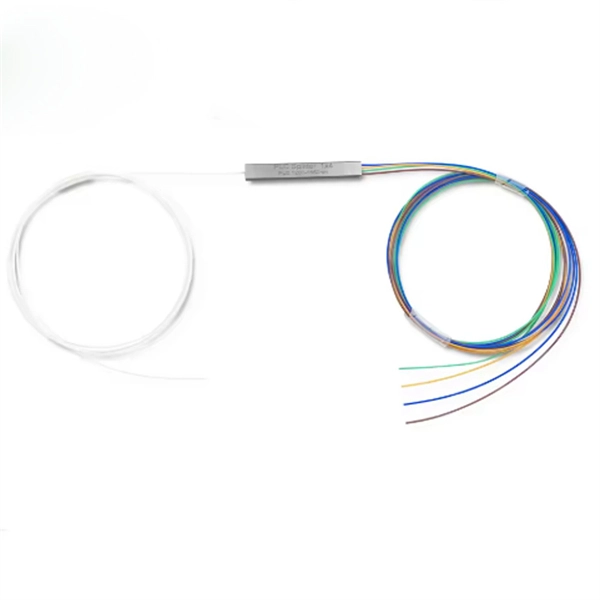
What are the differences between multimode fiber and WDM
The main technologies used in fiber optic active devices are three: singlemode fiber optics, multimode fiber optics and WDM. It divides optical signals into multiple wavelengths, each of which carries an independent signal, thereby achieving the transmission of multiple...
[PDF Version]
-
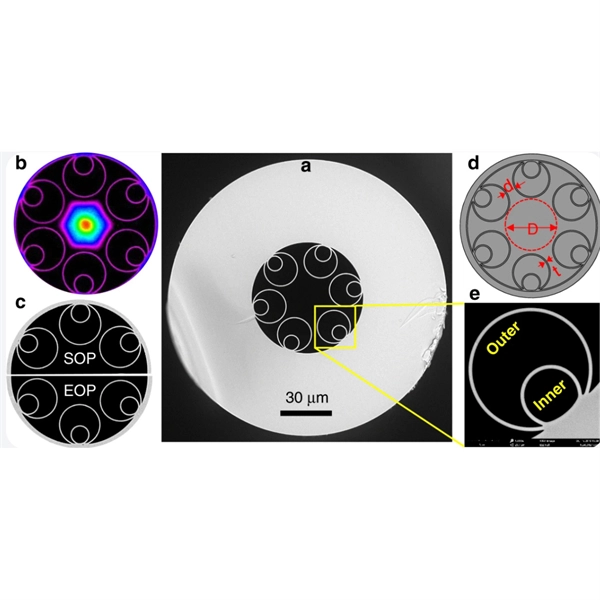
Key and difficult points in cable and optical fiber laying
Fiber-optic cable installation often requires digging trenches or boring to lay cables over long distances, which can be complicated when dealing with diverse terrains, such as urban areas with congested infrastructure, mountainous regions, or underwater installations. While...
[PDF Version]
-
Differences between synchronizers and KVM switches
A KVM switchis a hardware device that allows users to control multiple computers using a single set of keyboard, video, and mouse (KVM) peripherals. On the other hand, Synergy is a KVM switch alte.
-
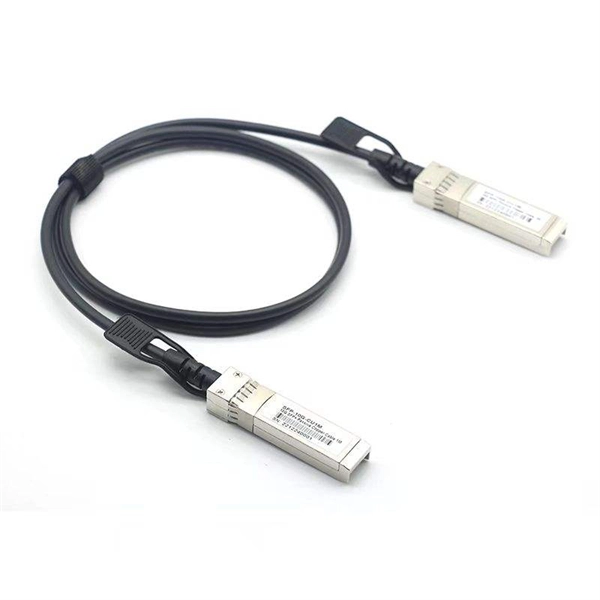
Differences between PoE switches and non-PoE switches
802.3 refers to Power Sourcing Equipment (PSE), which provides power on the Ethernet cable. This device may be a, in the standard Endpoint PSE (commonly called an endspan device) or a PoE injector, Midspan PSE in the standard, an intermediary device between a switch that does...
-
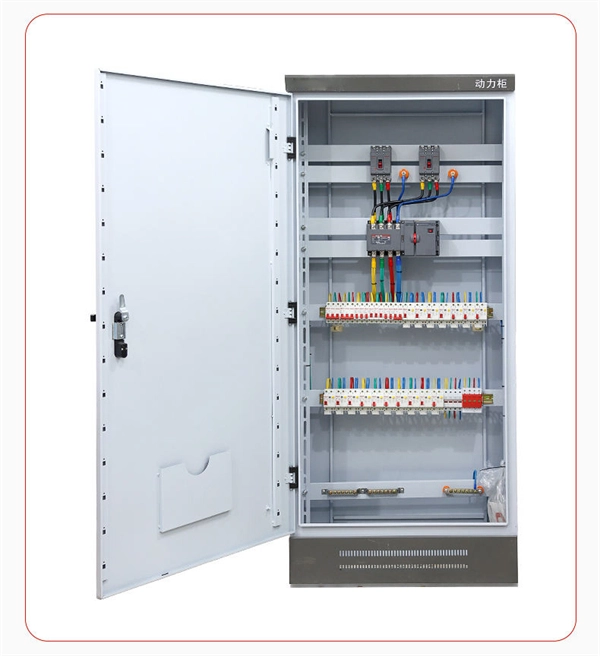
Key Points for the Construction of Optical Distribution Boxes
This guide provides a comprehensive engineering perspective on ODFs—beyond the basic “what is an ODF” explanation—covering structural design, fiber management, MPO/MTP integration, and selection criteria for modern high-density deployments. Why ODFs are the Foundation of...
-
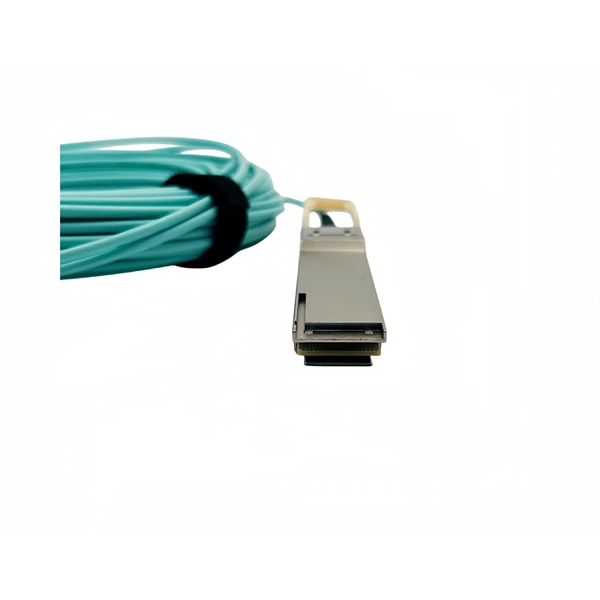
Differences between 4G and 5G optical fiber cores
5G vs. 4G: Learn the key differences between them 5G and 4G network architectures have some significant differences. See how the two technologies differ and what the new capabilities mean for bu.
-
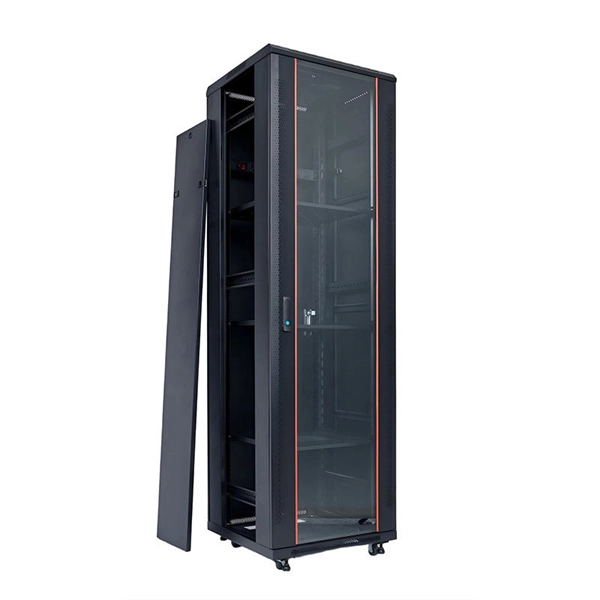
Key Points for Protecting Optical Cables in Communication Pipelines
Fiber optic cable encryption is crucial for safeguarding data transmission, utilizing techniques such as optical encryption, secure key distribution, and additional layers of security. In North America, the American National Standards Institute (ANSI) and the Insulated Cable...
[PDF Version]
-
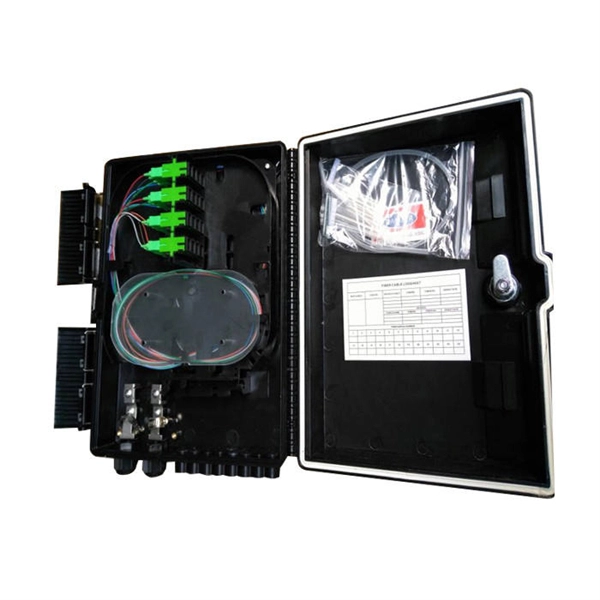
Key Control Items for Optical Cable Laying
Ghosting: Check for reflective surfaces or faulty splices. Reflectance Issues: Clean connectors and re-terminate if necessary. Use a power meter to verify optical power levels. The objective of this document is to be an optical fibre cable installation and laying guide...
[PDF Version]
-
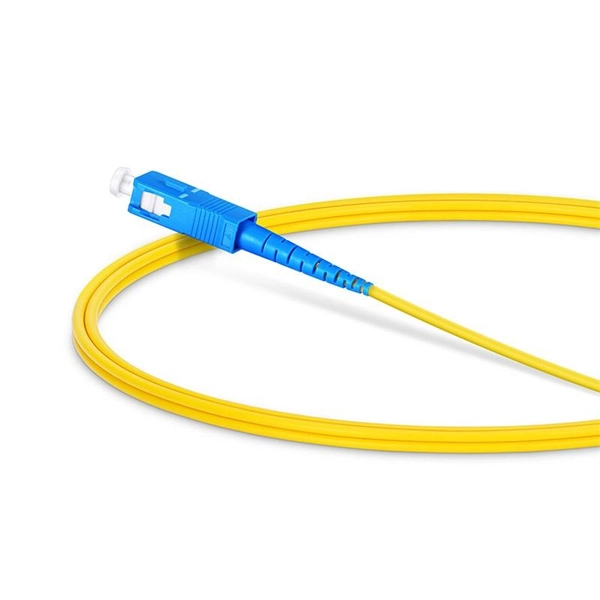
What are the key points for laying 12-core optical cables
When considering the deployment of a 12 strand multimode fiber optic cable, one must evaluate factors such as bandwidth requirements, distance, scalability, and cost. In telecom and networking, a 12 core fiber optic cable is a powerhouse—it packs twelve individual optical...
[PDF Version]