
Technical notes
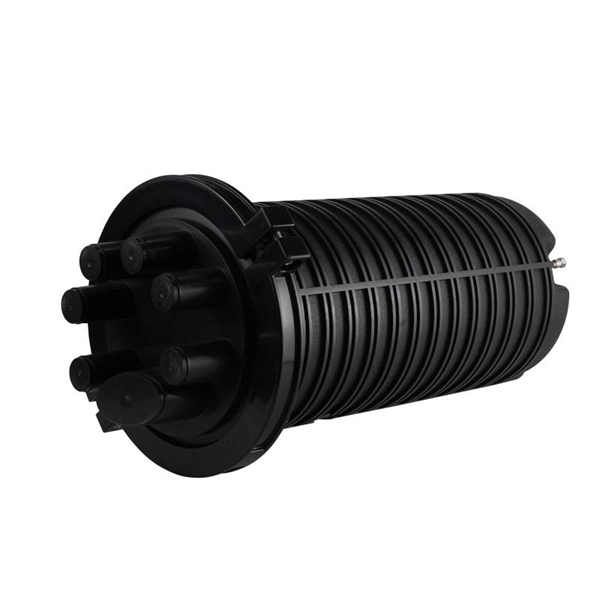
Fiber Distribution Box Basics
Fiber distribution box, also known as fiber optic distribution frame, is an essential component in fiber optic communication networks. It plays an important role in organizing, managing,
An In-Depth Exploration of Fiber Optic Distribution Boxes: Types
Fiber optic distribution boxes are indispensable in contemporary telecommunications infrastructures. They offer organized solutions for managing fiber optic cables, facilitating efficient connectivity and
Ultimate Guide to Fiber Optic Distribution Box: Types
A fiber optic distribution box serves as a central point for fiber optic cable termination, splicing, and distribution. It provides protection and organization for the cables and ensures efficient
Fiber Distribution Frame FDF
Learn about everything about Fiber Distribution Frame FDF|FDF, their features, applications, installation, and differences from fiber terminal boxes. Simplify
What Are Distribution Boxes and Their Functions in Fiber Optics
A distribution box serves as a central point for managing and distributing fiber optic cables. This device ensures reliable and efficient connectivity between various network components.
Basics of Fiber Optic Distribution Box
Fiber Optic Distribution Box (FDB) is a crucial component in a fiber optic network. Its primary function is to provide safe and reliable connection, distribution, and management of optical
Fiber Distribution | Fiber Distribution Architecture | Corning
To accommodate increased bandwidth demand, integrating WDM technology into fiber optic hardware helps you get more out of your existing fiber distribution network.
The Technical Specifications for Fiber Distribution Boxes
The fiber distribution box, also known as the optical fiber termination box, is a critical component in fiber optic networks. It is primarily used to terminate, splice, and organize optical fibers,
Fiber Box Solutions for FTTH: Key Functions, Applications, and
A clear guide to fiber box solutions in FTTH and ODN networks. Learn how fiber boxes support splitting, routing, and efficient deployment for telecom projects.
Fiber Box Types and Applications in FTTH Network
Splice closure has high strength and corrosion resistance, which is reliable and convenient for construction. It can be used for splicing between backbone fiber optic cables, and also backbone
Fiber Distribution Box Basics
Conclusion Fiber distribution box is an important component in fiber optic communication networks, playing a central role in organizing, managing, and protecting fiber optic cables. Its wide
Fiber Terminal Boxes: What They Are and Why You
A fiber terminal box, is a device used in fiber-optic communication networks to terminate, splice, and distribute optical fibers. It is a small enclosure
All You Need To Know About Fiber Termination Boxes:
Source In this blog, we will discuss the two types of fiber optic cables and the role of a simple yet essential piece of equipment in the fiber laying
Fiber Optic Distribution Box FAQs
A Fiber Optic Distribution Box is a device used for fiber optic cable joint fusion, connection and distribution. It can easily connect multi-core and single-core fiber optic cables, bring outdoor trunk
The Technical Specifications for Fiber Distribution Boxes
The fiber distribution box, a crucial component in optical fiber networks, serves a dual purpose of managing and protecting optical fibers while facilitating their efficient distribution. To
6 Must-Know Insights on Fiber Distribution Box
A Fiber Distribution Box (FDB) is a component used in fiber optic networks for power distribution and terminal connections. It serves as a junction point where optical signals are
What to Know About Outdoor Fiber Distribution Units
Outdoor fiber distribution boxes are designed to endure harsh environmental conditions while keeping your Fiber Optic Cables protected and your network
How to Use a Fiber Distribution Box
A fiber optic distribution box is an essential component in modern telecommunication networks, serving as the central point for managing fiber optic cables and connections. It plays a crucial role in ensuring