
Technical notes
An Overview Of Optical Fiber Cable Structure And
An optical fiber cable is a complex structure designed to protect fragile glass fibers that transmit digital data using light signals. This advanced cabling solution
Fiber-optic cable
OverviewDesignPerformanceCable typesColor codingHybrid cablesInnerductsSee also
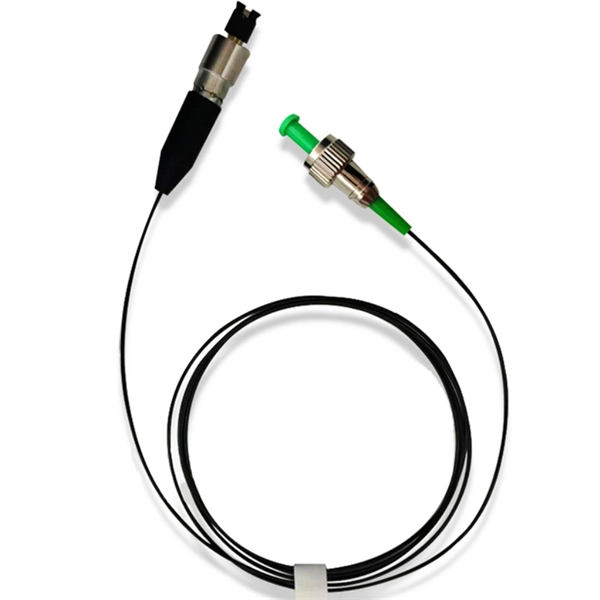
A fiber-optic cable, also known as an optical-fiber cable, is an assembly similar to an electrical cable but containing one or more optical fibers that are used to carry light. The optical fiber elements are typically individually coated with plastic layers and contained in a protective tube suitable for the environment where the cable is used. Different types of cable are used for fiber-optic communication in different applications, for exa
Fibre Optics: The Backbone of Modern Telecommunications
Understanding how fiber optic cables work reveals why they''ve become indispensable for modern telecommunications. The process transforms digital information into light, sends it across
Fiber Optic Cables – The Backbone of High-Speed Networks | Grayle
Fiber optic cables form the core of these networks, offering unparalleled performance in terms of speed, stability, and signal transmission over long distances.
What Is a Fiber Optic Backbone Network and Why for Businesses
A fiber optic backbone network is the central framework of a network that connects multiple sub-networks, systems, and devices using high-capacity fiber optic cables.
Backbone Optical Cable_Baiduwiki
The new generation of backbone optical cables widely adopts G.654.E Optical Fiber, which combines a large effective area with a low attenuation coefficient, supporting large-bandwidth, low-latency, and
Fiber Optic Cable: The Backbone of Modern Communication Networks
The core of a fiber optic cable is made up of a single strand of glass or plastic that is about the thickness of a human hair. Surrounding this core is a cladding layer that reflects light back into the core so that
Fiber Optic Cables: The Backbone of Modern Data
Fiber Optic Cables serves as the high-speed, high-capacity backbone of today''s datacom networks. As the demand for network speeds and bandwidth
Fiber Optic Cables: the Backbone of Modern Communication
Single-Mode Fiber (SMF): Designed for long-distance communication, SMF has a narrow core that allows a single beam of light to travel straight down the fiber, minimizing signal distortion. It forms the
What Is an Optic Cable and How Does It Work?
Fiber optic cables form the backbone of the modern internet, long-distance phone networks, cable television systems, and an expanding range of medical and industrial tools. A fiber
(PDF) On the Capacity of Optical Backbone Networks
Optical backbone networks, characterized by using optical fibers as a transmission medium, constitute the fundamental infrastructure employed today by network operators to deliver
Backbone Cabling: The Foundation of Modern Networks
Key Components of a Backbone Cabling System A complete backbone cabling system typically includes: Cables: Fiber optic or copper cables (such as telecom power cables or Flex-DTA)
The FOA Reference For Fiber Optics
Fiber Optic Cable Cable Types: (L>R): Zipcord, Distribution, Loose Tube, Breakout Cable provides protection for the optical fiber or fibers within it appropriate for the
What is a Fiber Backbone Cabling? (Fibre optic backbone)
What is a Fiber Backbone Cabling? A fibre optic backbone is a link between two different locations that are on the same network. However, what is a fiber backbone and where is it used.
Fiber Optic Cables: The Backbone of High-Speed Internet
Discover the benefits of fiber optic cables for high-speed internet. Learn how they work, their advantages over copper cables, and why they''re the future of modern internet connectivity.
What is Backbone Network?
Q3: Why are fiber optic cables used? Fiber optics provide high-speed transmission, low latency, and immunity to electromagnetic interference,
The Backbone of the Internet: Fiber Optic Networks
Discover how fiber optic networks serve as the backbone of the internet, enabling high-speed data transmission across vast distances. Learn about the
What Is Fiber Optic Cable?
A fiber optic cable is a long-distance network telecommunications cable made from strands of glass fibers that uses pulses of light to transfer data.
Related Video Reference
This video was associated with the source search result. Verify technical details against current product documentation and project requirements.