
Iso International Standards
Search optical fiber, connectivity, cable management and network infrastructure references.
- International
- Standards
Articles and technical references
8 on this page-
International Standards for Optical Cable Splice Loss
The standard for splice loss in optical fiber is typically defined by the International Electrotechnical Commission (IEC) or the Telecommunications Industry Association (TIA). At present, two technologies, fusion and mechanical, can be used for. Listing of all FOA standards...
[PDF Version]
-
International Standards for Single-Mode Optical Cable Testing
1 is the cornerstone, offering definitions and test methods for linear and deterministic parameters of single-mode fibers. This document outlines the specifications for a single-mode optical fiber and cable designed for use around the 1310 nm zero-dispersion wavelength...
[PDF Version]
-
Acceptance Standards for Indoor Distribution Boxes
The IEC (International Electrotechnical Commission) and BS 7671 (British Standard for Electrical Installations) both provide essential requirements for electrical installations, including those for fuse boards like garage unit, consumer unit and distribution board. It safely...
[PDF Version]
-
Composite Material Distribution Box Standards
I share practical guidance on designing and selecting custom distribution boxes for harsh environments—covering enclosure materials, sealing standards (IP/NEMA), thermal management, grounding, and maintainability. ASTM's composite standards are instrumental in the evaluation...
[PDF Version]
-
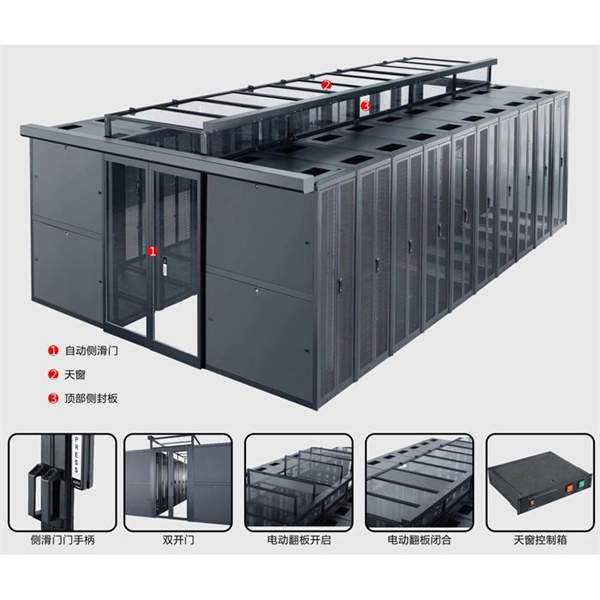
ADSS Optical Cable Technology Standards
All-dielectric self-supporting (ADSS) cable is a type of that is strong enough to support itself between structures without using conductive metal elements. It is used by companies as a communications medium, installed along existing overhead transmission lines and often...
-
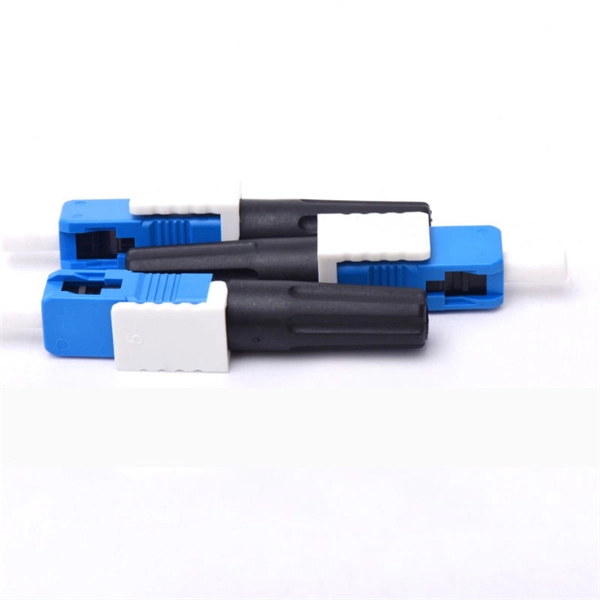
Classification Standards for Distribution Boxes and Switch Boxes
IP ratings focus on dust and water ingress, NEMA types cover broader environmental conditions, IK ratings measure impact resistance, and UL or CSA certifications address construction and safety compliance. Commonly used distribution boxes are made of wood or metal...
[PDF Version]
-
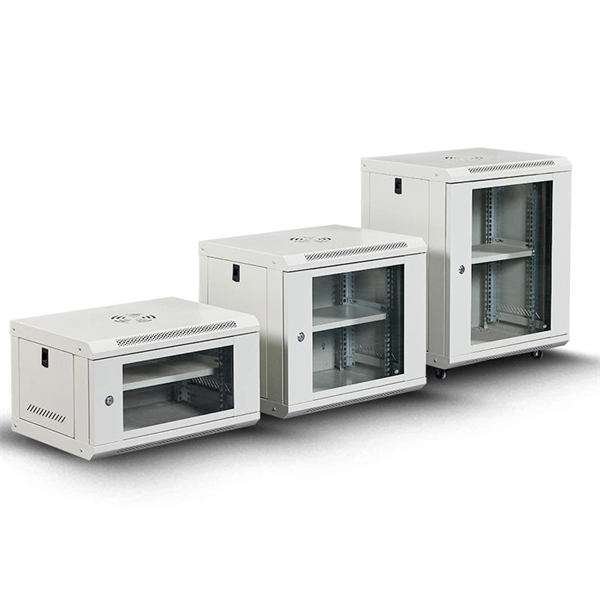
Safety wire standards for distribution boxes
Check for proper IP/NEMA ratings and material quality. Ensure safe placement: install in dry, accessible areas with good ventilation and at appropriate height (typically ~1. Practice good wiring: secure grounding, neat cable management, proper insulation, and correct wire...
-
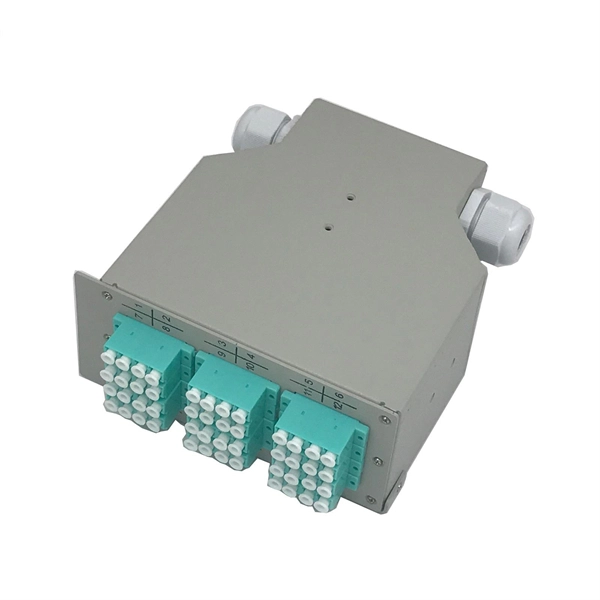
Classification Standards for Beam Splitter Styles
Beam splitters are classified by construction (plate, cube, pellicle, polka dot) and by function (standard, non-polarizing, polarizing, dichroic). Construction determines ghosting, damage threshold, and form factor. Function determines how polarization and wavelength are...