
Technical notes
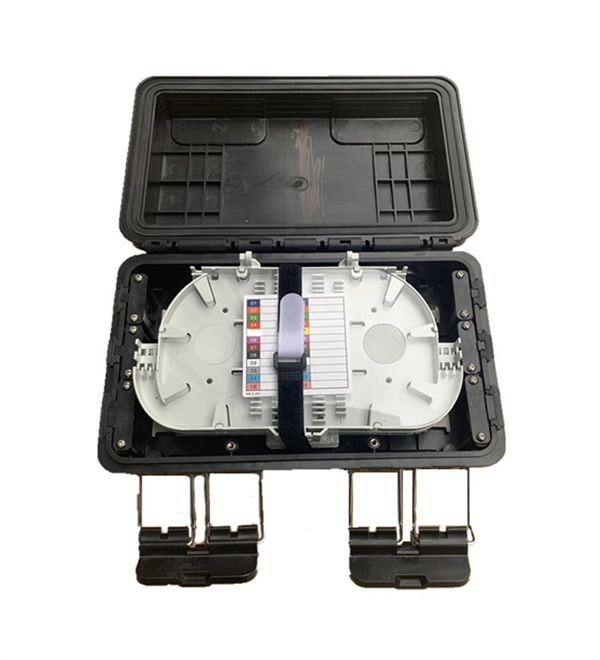
Lightning Protection Grounding: IEC 62305 & NFPA 780 Bonding
IEC 62305-3 and NFPA 780 require bonding lightning protection grounds to equipment earth grids. Single-point bonding prevents surge currents from flowing through sensitive automation
BY ORDER OF THE AIR FORCE MANUAL 32-1065 SECRETARY
A sketch of the grounding and lightning protection system is provided showing test point and where services enter the facility. The sketch should also show the location of the probes during the ground
Standard for lightning protection grounding resistance of distribution
Learn NFPA 780 lightning protection requirements including design rules, grounding methods, conductor sizing, and inspection criteria. A practical compliance guide for electrical
LPI-175 / 2023 Edition
21) A lightning protection system in accordance with this Standard is a passive grounding system that is effective in protecting against lightning damage as originally installed and inspected.
IEC 62305 Lightning Protection — Complete Guide
Complete IEC 62305 lightning protection guide covering risk assessment (Part 2), LPS classes I-IV, rolling sphere method, down conductors, air termination, and SPD selection. Free
TECHNICAL HANDBOOK
The main outcome from this risk assessment is to determine if lightning protection is required and if so, to select the appropriate lightning class. The lightning class determines the minimum lightning
Best Practice in Lightning Protection for Distribution Systems
In North America, distribution systems are often of the 4-wire configuration with three phase conductors and one neutral. The neutrals are typically grounded at equipment locations. For
05. Bonding and Grounding
A structure is anything which is likely to be struck by lightning, and requires multiple, low-impedance paths to the grounding system to transfer lightning energy off of the structure and into ground as
LIGHTNING PROTECTION AND GROUNDING
If a distribution circuit is added to subtransmission pole with 7-#10 Copperweld or #6 Cu. pole ground wire and the static wire is used for the distribution system neutral, the pole ground wire must be
GROUNDING OF UTILITY AND INDUSTRIAL DISTRIBUTION
THE WORKSHOP Few topics generate as much controversy and argument as that of grounding (or earthing as it is called in some countries) and the associated topics of lightning and surge protection
Earthing and Lightning Protection
Power Safety Earthing and Lightning Protection Design of electrical grounding with lightning protection systems is one of the most important aspects
ITER Electrical Design Handbook Earthing and Lightning Protection
Earthing and Lightning Protection This work is licensed under the Creative Commons Attribution-Noncommercial-NoDerivs 3.0 IGO-ported license. (CC BY-NC-ND 3.0 IGO) You are free to share
Grounding Practices in Power Distribution Systems
Equipment Protection: Grounding protects substation equipment from potential damage from lightning strikes, fault currents, and transient overvoltages. The longevity and dependability of essential
SECTION 260526
B. Ground Bonding Common with Lightning Protection System: Comply with NFPA 780 and UL 96 when interconnecting with lightning protection system. Bond electrical power system ground directly to
05. Bonding and Grounding
BONDING AND GROUNDING The first step in securing effective lightning protection is bonding and grounding. Bonding is simply a matter of taking all of the electrical and metallic masses in a facility
Cable and grounding requirements in lightning protection systems
Lightning protection isn''t just about those dramatic lightning rods you see on rooftops – it''s a sophisticated system where cables and grounding play starring roles. Think of it like your home''s
Lightning Protection and Grounding
This section describes the lightning protection and grounding requirements. Ensure that the equipment room meets the requirements because lightning is one of the major factors that causes damage to
Grounding for Power Distribution and Lightning Protection Systems
Summary This chapter contains sections titled: Introduction Power System Earthing Earthing for Low‐Voltage Distribution System Lightning Protection The Earth Connection Types of