
Liquid Immersion Cooling For Modular And Edge Data
Search optical fiber, connectivity, cable management and network infrastructure references.
- Liquid
- Immersion
- Cooling
Articles and technical references
8 on this page-
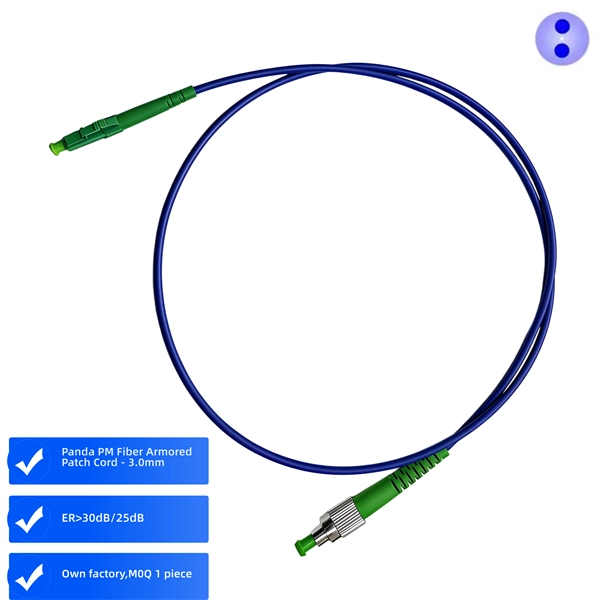
Kazakhstan Cold Aisle Immersion Liquid Cooling
Immersion cooling technology encompasses systems in which electronic components are directly exposed to and interact with dielectric fluids for cooling purposes. This includes systems using single-phase or two-phase, leveraging their thermal capabilities to manage and...
-
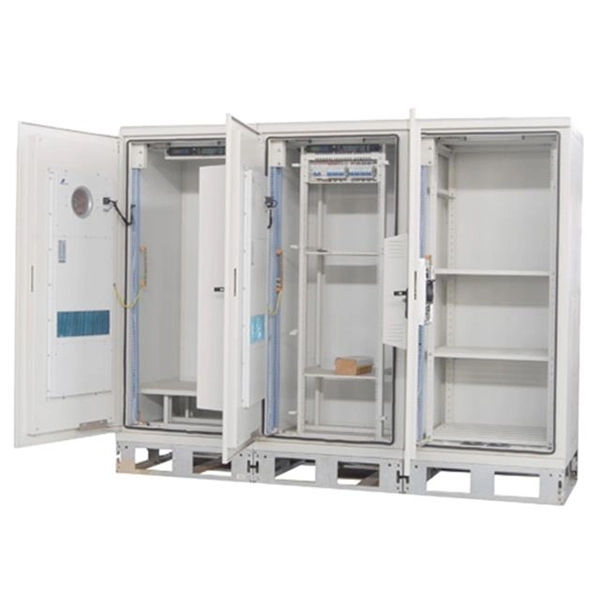
Modular Data Center Liquid Cooling System
Pre-Fabricated Modular Data Center Cooling | LiquidStackDataTank Modular represents the most advanced technology in pre-fabricated, 2-phase immersion-coole.
[PDF Version]
-
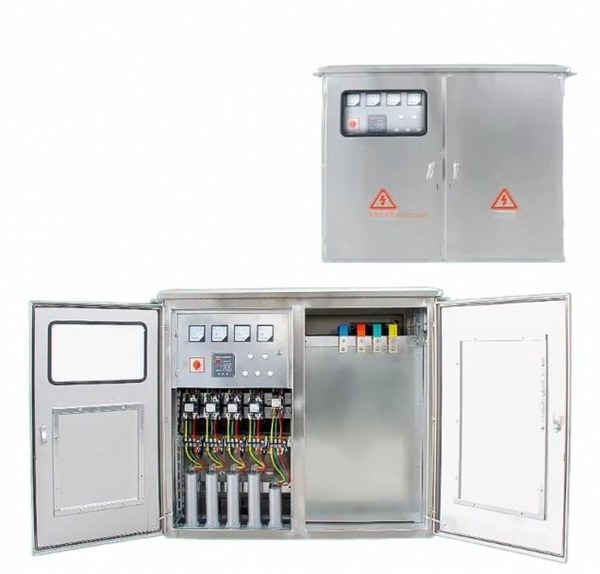
Modular switches are the core
A modular switch, also known as a chassis switch, is a network switch that offers more flexibility and customization compared to a fixed switch. Chassis: The core component, the chassis houses other interchangeable modules. Expansion modules are application-specific and...
[PDF Version]
-
The Role of Liquid Fiber Optic Sensors
Fiber optic liquid level sensor s have revolutionized various industries by offering high-speed and accurate measurements, especially in challenging environments. These sensors rely on the principles of light reflection and refraction to detect changes in the liquid level...
-
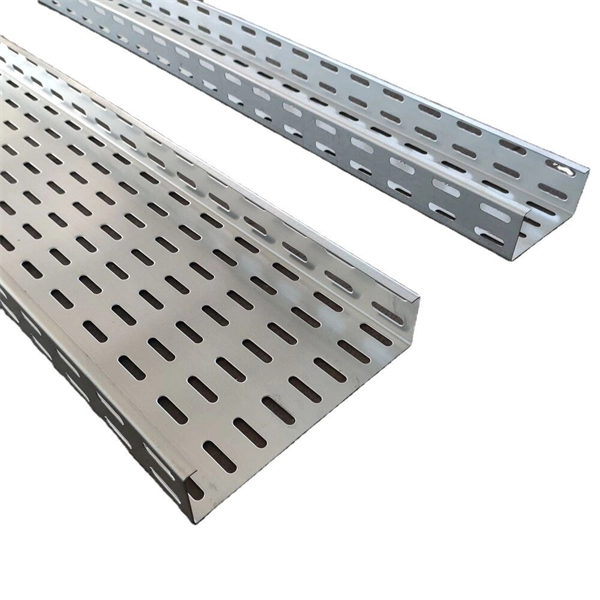
Working principle of immersion optical modules
In immersion lithography, light travels down through a system of lenses and then a pool of water before reaching the photoresist on top of the wafer. Immersion lithography is a technique used in semiconductor manufacturing to enhance the resolution and accuracy of the. In the...
-
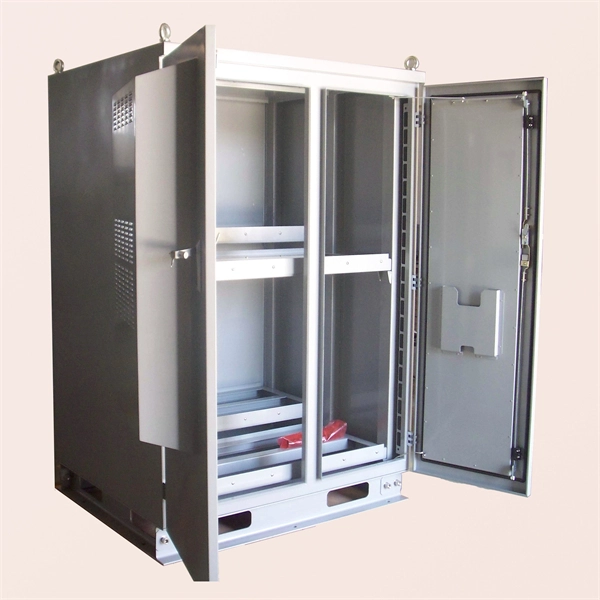
Modular data center put into use
Modular data centers use prefabricated modules to overcome supply chain constraints, permit delays & construction risks. Off-site manufacturing in controlled environments enables faster deployment, better quality control & supports diverse use cases from edge locations to. A...
-
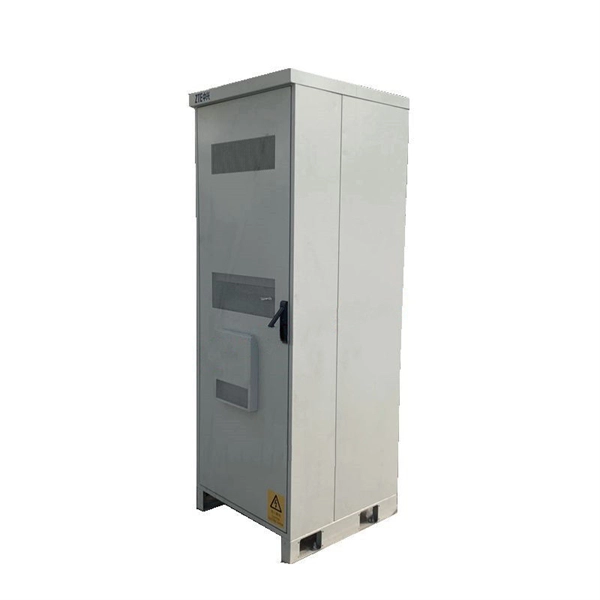
Fiber Optic Sensor Liquid Level Detection Principle
Fiber optic liquid level sensor s have revolutionized various industries by offering high-speed and accurate measurements, especially in challenging environments. These sensors rely on the principles of light reflection and refraction to detect changes in the liquid level.
-
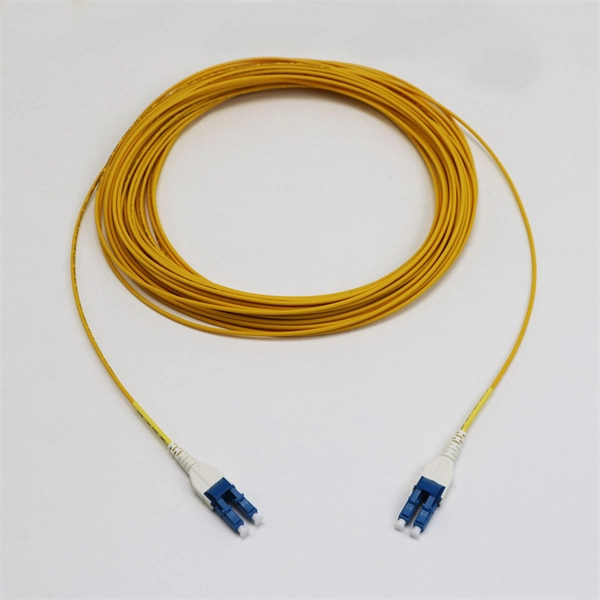
Contact Fiber Optic Liquid Level Sensor
Mountable on transparent piping with an outer diameter of 6 to 26 mm and a wall thickness of 1 to 3 mm for detecting the upper level of the internal water surface. Offers heat resistance up to 100°C. Equipped with a mounting position adjusting lever for easy installation. The...
[PDF Version]