Skip to content
QK FIBERSystems Send a project enquiry
Reference library

Low Loss Optical Distribution Network ODN

Published
  • Low
  • Loss
  • Optical
Source context

AI source overview

A Low Loss Optical Distribution Network (ODN) is a passive fiber infrastructure designed to minimize optical signal attenuation between the Optical Line Terminal (OLT) and subscriber endpoints, ensuring high performance and reliability in PON-based networks.

Overview

A Low Loss OD

N is the passive segment of a fiber access network that connects the OLT in the central office to Optical Network Units (ONUs) or Optical Network Terminals (ONTs) at subscriber premises without requiring electrical power. Its primary goal is to reduce optical signal loss, maintain the optical budget, and support long-term network scalability for FTTH, FTTB, and FTTx deployments.

Key Components

Optical Fiber Cables: High-quality fibers such as G. 652D or G. 657A2 are used for ultra-low attenuation and high bend resistance, allowing longer reach with minimal power loss.

Optical Splitters: Passive splitters (1: 4, 1: 8, 1: 16, 1: 32, 1: 64) distribute optical power from a single feeder fiber to multiple subscribers while maintaining low insertion loss. Connectors and Splice Closures: Pre-connectorized components and fusion-spliced closures reduce field losses and environmental degradation, ensuring consistent low-loss performance. Fiber Distribution Boxes (FDB) and Optical Distribution Frames (ODF): Structured enclosures for splicing, cross-connecting, and managing fibers, which help maintain signal integrity and simplify maintenance.

Architecture and Design Considerations

A Low Loss OD

N is typically organized into layers: Feeder → Distribution → Drop → Premises. This layered approach optimizes routing, reduces unnecessary splices, and ensures the optical budget is maintained. Key design strategies include: Minimizing Splice Points: Fewer splices reduce insertion loss and improve reliability.

Modern OD

Ns often use pre-connectorized components to eliminate field splicing. Optimized Splitter Placement: Strategic placement of splitters ensures balanced optical power distribution and minimal loss to each subscriber.

High-

Quality Passive Components: Using low-loss connectors, bend-insensitive fibers, and precision splitters reduces cumulative attenuation across the network. Optical Budget Management: All components are selected to fit within the PON standard's optical budget (e.g., 28 dB for GPON), ensuring sufficient signal strength for both downstream and upstream communication.

Advantages of Low Loss ODN

Enhanced Network Reach: Supports longer distances without active amplification. Energy Efficiency: Fully passive, requiring no electrical power. Reliability and Longevity: Reduced field failures and minimal maintenance.

Scalability: Compatible with multi-generation PON upgrades (GPON → XGS-PON → 25G PON) without major infrastructure changes. Cost Efficiency: Pre-connectorized and low-loss designs reduce installation time, labor costs, and operational expenses. Modern TrendsPre-Connectorized ODN Systems: Factory-assembled components reduce field splicing, human error, and installation time.

Smart OD

N Monitoring: AI-enabled reflectometers and remote fiber test systems allow real-time fault detection, predictive maintenance, and intrusion detection. QuickODN Deployment: Standardized pre-connectorized architectures enable rapid, low-loss network rollout with predictable performance. In summary, a Low Loss ODN is a carefully engineered passive optical network segment that maximizes signal quality, minimizes attenuation, and ensures reliable, scalable, and cost-effective fiber access for modern broadband services.

Research context

Reference summary

What Is Optical Distribution Network (ODN)? 2026 FTTH GuideDiscover everything you need to know about Optical Distribution Networks (ODN) in FTTH. Learn OD.

From reference to enquiry

Questions for your project

Use these editorial prompts alongside the linked excerpts. They identify items to confirm for your project.

Technical notes

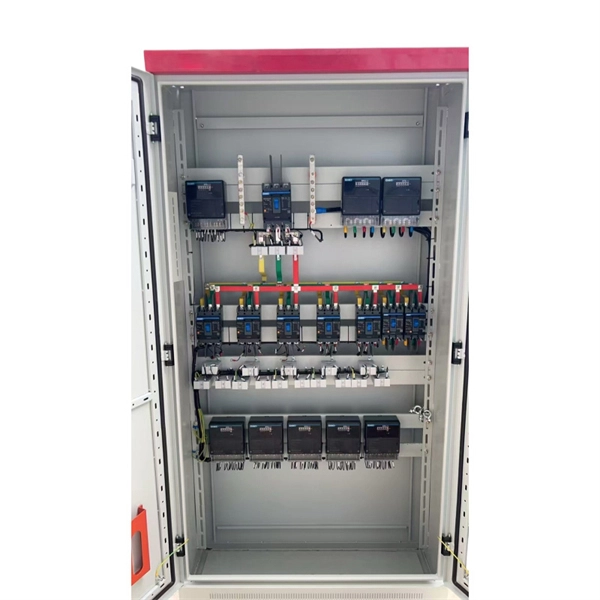
Illustrative equipment image

What Is Optical Distribution Network (ODN)? 2026 FTTH Guide

Discover everything you need to know about Optical Distribution Networks (ODN) in FTTH. Learn ODN components, architecture, optical loss calculation, and expert design tips.

Understanding ODN Architecture in Fiber Access Networks

Defined by ITU-T G.984 (GPON), G.9807 (XGS-PON), and IEC 60794 cable standards, the ODN forms the physical optical path responsible for signal distribution, splitting, protection, and

ODN: Optical Distribution Network

ODN, or Optical Distribution Network, is an FTTH network based on PON equipment that provides an optical transmission channel between the OLT

What Is an Optical Distribution Network (ODN)? – The Ultimate Guide

At the heart of every Fiber-to-the-Home (FTTH) deployment lies the Optical Distribution Network (ODN) — a meticulously engineered passive infrastructure that enables operators to deliver

ODN Network Planning: Transmission Loss & Redundancy

Master ODN network planning for FTTH rollouts. Geteknet explores transmission loss, power budgets, end-terminal redundancy, and reliable OEM supply chain solutions.

DIGITIZATION OF OPTICAL DISTRIBUTION NETWORKS (ODN)

While expensive and time consuming, this practice resulted in low-loss optical links which performed well. Starting around 2015, a second generation of ODN (ODN2) started deployment, using various

The Comprehensive Guide to PON Architecture: Mastering OLT,

Comprehensive guide to Passive Optical Networks (PON), covering OLT, ODN, ONU/ONT, GPON/XGS-PON/NG-PON2 standards, deployment strategies, and FTTH network

Comprehensive Guide to ODN in PON Networks: Key Components

Discover the fundamentals of Optical Distribution Networks (ODN) in PON, covering components and the future of ODN technology in FTTH deployments.

The Optical Distribution Network (ODN): The Unsung Hero of FTTH

While most people credit their router, the true hero is a vast, passive system known as the Optical Distribution Network (ODN). It''s the silent, robust highway that delivers blazing-fast Fiber

How Optical Distribution Networks (ODN) Are Advancing

As a critical component of PON networks, the Optical Distribution Network (ODN) is also undergoing significant design and capability enhancements. This article examines the origins and

The Optical Distribution Network (ODN): The Unsung Hero of FTTH

Optical Distribution Network ensures fast, reliable FTTH by linking providers to homes with scalable, passive fiber, supporting high-speed broadband delivery.

LightCounting :: LightCounting Publishes a White Paper on Optical

Optical Distribution Networks (ODN) evolution February 24, 2023 The residential optical distribution network (ODN) is the final connection between a telecom operators'' internet, cable, and telephone

Optical Distribution Networks: The Foundation of High-Speed Internet

Challenges in ODN Deployment Despite their numerous advantages, deploying Optical Distribution Networks comes with its challenges: High Initial Investment: The cost of laying fiber-optic

The future evolution of ODN technologies

The optical distribution network (ODN) is a point-to-multipoint passive optical network (PON), as shown in FIG. 2-1. The ODN is an optical transmission channel from an optical line

Full Guide of PON: OLT, ONT, ONU, ODN and other basic components

This network includes optical cables, optical fiber connectors, passive optical splitters, and auxiliary components. The ODN is divided into five sections: feeder fiber, distribution point,

What is ODN (Optical Distribution Network)?

Learn what an Optical Distribution Network (ODN) is, its structure, key components, and role in connecting OLT and ONU for reliable FTTH fiber networks.

ODN Optical Distribution Network | What Is It? How It Works?

What is ODN? ODN is an optical distribution network. It is an optical transmission physical channel between OLT and ONU. The main function is to complete the two-way transmission

How Optical Distribution Networks (ODN) Are Advancing

Both outdoor and indoor installations require opening distribution boxes and terminal enclosures, extensive cable preparation, and intricate fiber splicing operations. Traditional ODN can

Share your network requirements

Share the fiber interfaces, termination capacity, cable route and evidence required for handover.

Send a project brief