
Technical notes
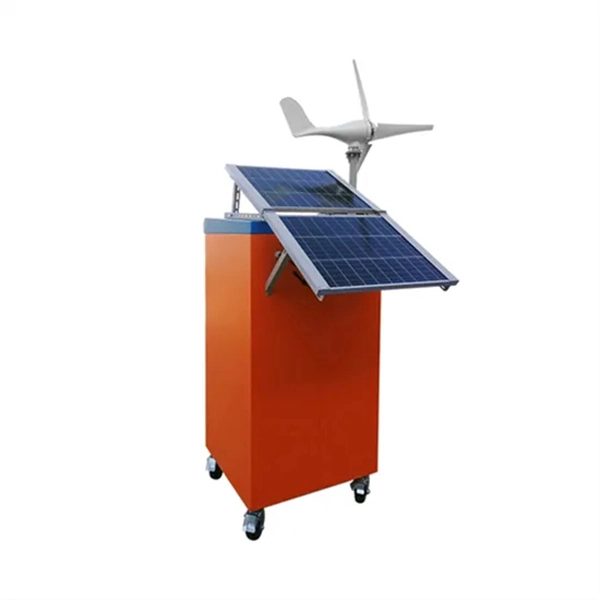
What is a micro-module computer room
A Micro Module refers to an independent operating unit that takes several functional cabinets such as IT cabinets, power supply units, and air conditioning terminal units as the basic unit, and includes
Open_Compute_Project_Intel_Motherboard_v3
This standard specifies the technical requirements of all-in-one micro-modular data center, including applicable environment, typical model of micro-module, power supply subsystem, cooling subsystem,
PICMG | MicroTCA
PDF file
Smart Modular Data Center Solution - ZTT Group
Suitable for the green energy saving data center with fast, flexible deployment, small number of cabinets, large single cabinet load and limited height of the computer room.
Modular Data Center Guide: Types & When It Wins | ModulEdge
For workloads above roughly 1 MW, the right answer is almost always a prefabricated room or a hybrid campus, not a stack of containers. For workloads under 100 kW that need to live
Gcabling Micro Data Center Solutions
The design of Gcabling micro data center adopts a modular architecture, which allows each subsystem module to be flexibly added or removed according to the specific needs of
Modular Computing Data Center Checklist — Charmlink Network
For AI and High-Performance Computing (HPC) applications—specifically in deployments exceeding 50 square meters where individual cabinet power consumption exceeds 10 kW—a double
Micro Data Center
Delta''s modular datacenter solution offers a datacenter environment that provides safe equipment operations within the racks, and supports the development and standardizing of micro datacenters
Technical functional characteristics of micro-module computer rooms
Integrating the cabinet system, refrigeration, power supply and distribution, centralized monitoring and other systems into one, with a fully redundant design, it ensures the safe and reliable
A Design Guide and Checklist For Server Room Facilities
Server Room Design Considerations As with the design of a datacentre, the design of a computer or server room starts with a floor plan based on a standard floor tile and the selection of
THE GLOBAL DATA CENTER STANDARD
THE GLOBAL DATA CENTER STANDARD The globally adopted ANSI/TIA-942 Telecommunications Infrastructure Standard for Data Centers specifies the minimum requirements and guidelines for the
ANSI/TIA-942
THE GLOBAL DATA CENTER STANDARD The globally adopted ANSI/TIA-942 Telecommunications Infrastructure Standard for Data Centers specifies minimum requirements and guidelines for the
Application Research of Integrated Prefabricated Module Computer Room
the design process, shorten the construction period of data center and save relevant resources.The modular machine room can synchronously start the micro-module pre-manufacturing
The RCA Micromodule
" The micro-module is a new dimension in military electronics. It offers answers to the urgent and growing need for equipment which is smaller, lighter, more
ISO 14644 standards: Cleanroom guidelines for data centers
Discover how ISO 14644 cleanroom standards set guidelines for proper cleanliness and maintenance practices in controlled environments, such as data centers.
Requirements for the Design of ICT rooms
1 Introduction This document provides specification of the Norwegian HE sector''s recommended standards for the design of ICT rooms, and is a revision of Version 2, originally released on 2 July
UNM Data Center and Server Room Standard
Definition of Data Center / Server Room For the purposes of this standard, “Data Center” or “Server Room” refers to any physical space, room or building, where computers and related equipment (such
. le i Dast ependVer ab. le Ultracompact.
Ultracompact high-performance desktop with AI PC options Maximize business productivity in the smallest of spaces with Dell Pro Micro Plus XE. Accelerate AI-enhanced capabilities with Intel®
PICMG | MicroTCA
MicroTCA® is a modular, open standard for building high performance switched fabric computer systems in a small form factor.