
Technical notes
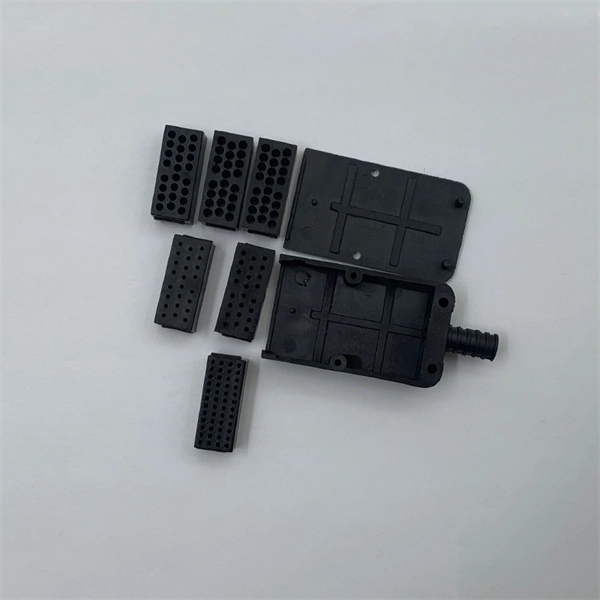
Micro-module underground air supply static pressure duct
Compact and powerful, the low-static slim-duct system delivers unmatched flexibility and discreet design. Engineered for concealment above suspended ceilings or within open closet spaces, it
Micro-module underground air supply static pressure duct
HOME / Micro-module underground air supply static pressure duct - YoAhorroEnergia Data Infrastructure Micro-module underground air supply static pressure duct - YoAhorroEnergia Data
Building Re-Tuning Training Guide: AHU Static Pressure Control
Duct static control specifications are taken directly from vendors standard specifications. To maintain the static pressure set point, the supply fan will modulate appropriately, but the set point is usually
AHU Static Pressure Control: VAV Fan Reset and Field Tuning Guide
Static pressure is the pressure exerted equally in all directions within the duct. It is the "inflation pressure" of the ductwork. In a VAV system, supply fan speed is controlled to maintain this
Duct Static Pressure Control
Duct Static Pressure Control Introduction This Application Note describes how to use Direct Digital Control (DDC) to implement duct static pressure control. This Application Note includes:
Static Pressure High Limit Technical Bulletin
To prevent overpressurization of the duct work, provide proper mechanical protection. Table 1: I/O Requirements Note 1: IMPORTANT! Set the output span limits so that as the signal to the AOD
Flow characteristics and structural optimization of uniform air supply
To maintain a constant static pressure at each air outlet and improve air supply uniformity, a method involving the connection of vertical branch ducts to each lateral orifice is proposed.
Installation Instructions
If the pipes and pipeline parts were exposed to extraordinary loads during transport or installation, the sealing reliability can be proven by a pressure test with air.
Static Pressure in Duct Systems: Causes, Measurement, and Fixes
This page covers how static pressure is defined in the context of forced-air duct systems, what causes it to rise or fall outside design limits, how technicians measure it, and what design or installation factors
Controlling Duct Pressure
This control system will provide very smooth, precise static pressure control in the discharge duct. It will also save energy since the fan will use only as much horsepower as required to maintain the setpoint
What is Static Pressure in HVAC?
Good ductwork can make a massive difference in the effectiveness of your HVAC system. In this article, we examine why static pressure in the ducts
Duct design and static pressure in HVAC » MechBasic
Proper duct design and static pressure management are essential for ensuring efficient airflow, energy savings, and comfort in HVAC systems. Poor ductwork can lead to high energy costs,
HVAC How to Size and Design Ducts HVA
HVAC – HOW TO SIZE AND DESIGN DUCTS Air flow problems have plagued the HVAC industry for years. No matter how much money you spend on a high-quality HVAC system, the equipment won''t
Optimizing Airflow: The Critical Role of Static Pressure in HVAC
Here are some common culprits associated with high static pressure: Insufficient Return Air Intake: An undersized return air intake makes it challenging for the blower motor to draw in air
What is Static Pressure in HVAC ? | Static Pressure Calculator
Air ducts are used in many types of HVAC systems, and their design has an impact on temperature control and energy efficiency. For example, packaged rooftop units (RTU) and fan coil units (FCU)
Understanding Static Pressure in HVAC Systems A Complete Guide
Measuring and Maintaining Proper Static Pressure Professional HVAC technicians use specialized tools called manometers to measure static pressure. Regular maintenance should
Building Re-Tuning Training Guide: AHU Static Pressure Control
To analyze and detect AHU static pressure control problems, for single-duct variable-air-volume (SDVAV) air-handling units, the corresponding parameters must be monitored using the trending
Airflow & Static Pressure Accessories
When it comes to Airflow & Static Pressure Accessories, you can count on Grainger. Supplies and solutions for every industry, plus easy ordering, fast delivery and 24/7 customer support.