Skip to content
QK FIBERSystems Send a project enquiry
Reference library

Mobile Communication Fiber Optic Cable Splicing

Published
  • Mobile
  • Communication
  • Fiber
Source context

AI source overview

Mobile fiber optic splicing solutions combine portable fusion splicers, mechanical splices, and protective enclosures to enable fast, reliable, and low-loss connections in the field.

Key Splicing Methods

Fusion Splicing: This method uses heat or an electric arc to weld two fiber ends together, producing a permanent, low-loss connection with minimal back reflection (around 0. 1 dB) and high reliability, making it ideal for long-term deployments and critical networks. Portable fusion splicers, such as the AFL Fujikura 45S, offer features like cladding alignment, automatic fusion control, Bluetooth connectivity, and ruggedized designs for field use.

These splicers often include battery packs, fiber cleavers, and heat shrink sleeves for on-site operations. Mechanical Splicing: Mechanical splices align fibers using an index-matching gel and a self-contained fixture, allowing light to pass through with typical losses around 0. 3 dB.

This method is faster and more flexible for temporary connections or emergency repairs, as it can be easily disconnected and reused.

Mobile Splicing Kits and Tools

A complete mobile splicing solution typically includes: Portable Fusion Splicer: Rugged, battery-powered, and capable of fast splicing cycles (6–15 seconds per splice) with storage for multiple splice results. Fiber Cleaver and Strippers: Precision tools for preparing fiber ends to ensure clean, accurate splices. Heat Shrink Sleeves or Splice Protectors: Protect the spliced fiber from environmental stress, available in 250 µm or 900 µm sizes.

Splice Trays and Cassettes: Compact, stackable trays for organizing and protecting multiple splices, supporting LC or SC connectors. Verification Tools: Visual fault locators (VFL) or optical power meters to confirm splice quality and signal integrity.

Protective Enclosures for Field Deployment

Mobile splicing often requires fiber optic closures to protect splices in various environments. Options include aerial, pole-mounted, wall-mounted, pedestal, and below-grade enclosures. These closures are designed to be versatile, user-friendly, and cost-effective, ensuring splices remain secure in outdoor or temporary setups.

Best Practices for Mobile Splicing

Clean and Prepare Fibers Properly: Use precision cleavers and maintain clean tools to minimize signal loss. Select the Appropriate Splice Method: Use fusion splicing for permanent, high-performance connections and mechanical splicing for temporary or rapid deployments. Protect Splices: Apply heat shrink sleeves or splice trays to prevent environmental damage and maintain network reliability.

Verify Splice Quality: Use VFLs or optical power meters to ensure low insertion loss and proper alignment. Organize and Label: Keep splices organized in trays or cassettes for easy maintenance and future expansion.

Conclusion

A mobile fiber optic splicing solution integrates portable fusion splicers, mechanical splices, protective sleeves, and enclosures to provide reliable, low-loss connections in the field. By combining proper tools, protective measures, and verification techniques, technicians can efficiently deploy, repair, or extend fiber networks in diverse environments, ensuring seamless data transmission and network performance.

Research context

Reference summary

The Complete Step-by-Step Guide to Fiber Optic SplicingIn this guide, we cover the basics of fiber optic splicing, how to perform splicing using two differ.

From reference to enquiry

Questions for your project

Use these editorial prompts alongside the linked excerpts. They identify items to confirm for your project.

Technical notes

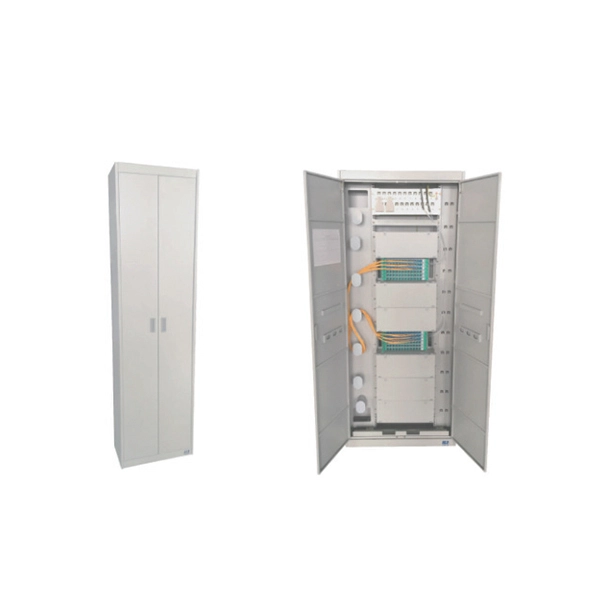
Illustrative equipment image

The Complete Step-by-Step Guide to Fiber Optic Splicing

In this guide, we cover the basics of fiber optic splicing, how to perform splicing using two different methods, and finally some best practices to perform good

Fiber Optic Splicing Types, Methods, and Applications

Fiber optic splicing is essential for building and maintaining reliable, high-speed communication networks. By understanding its types, methods, and real-world

Fiber Optic Cable Splicing Methods: A Practical Guide

Learn fiber optic cable splicing methods: fusion splice techniques and more. A practical guide to optic cable splicing for reliable fiber optics.

Splicing Fiber Optic Cables: Methods and Techniques

Learn how fiber splicing works, including the difference between fusion splicing and mechanical splicing, step-by-step splicing methods, and how to choose the right fiber optic splicer for

Optical Fiber Splicing: The Complete Technical Guide to

Whether supporting 5G deployments, delivering fiber to the home services, or keeping large data centers running efficiently, optical fiber splicing plays a central

An Overview of Splicing Techniques: Pros and Cons of Different

In this blog, we''ll explore the main types of fiber optic splicing techniques, their advantages, limitations, and how to decide which method best suits your project.

How to Splice Fiber Optic Cable – Step-by-Step Fusion

Splicing fiber optic cable is an extremely important phase for making dependable, high-speed communication infrastructures. Regardless of the type

Fiber Optic Cable Splice: The Complete Guide

This guide explores everything about fiber optic cable splice —from fiber fusion splice basics to how to splice fiber cable

Fiber Optic Cable Splicing Explained

To begin, the standard definition of splicing in optical fiber is joining two fiber optic cables together. The other, more common, method of joining fibers is called termination or connectorization.

Fiber Optic Splicing Guide & Demo

Part of UTEL''s Knowledge Base series of videos about fiber optics, this guide provides a thorough introduction to fusion and mechanical splicing as well as a demonstration of fusion splicing.

Understanding Fiber Optic Splicing: Techniques and

This article covers two of the basic methods of splicing fiber optic cables– fusion and mechanical – and discusses the tailor-made tools that make

Splicing Fiber Optic Cables | A Beginner''s Guide

Fiber splicing is a vital technique in cable maintenance. Knowing how to splice fiber optic cables is key for data communications with superior performance.

Fiber Splicing | Importance, Methods, Advantages, Applications

Key Takeaways: Fiber splicing provides permanent optical fiber connections, ensuring smooth, reliable communication with minimal data loss. Fusion splicing delivers durable, low-loss joints, while

Fiber-optic communication

Modern fiber-optic communication systems generally include optical transmitters that convert electrical signals into optical signals, optical fiber cables to carry the signal, optical amplifiers, and optical

Fiber Optic Cable Splicing: A Comprehensive Guide

Through splicing, fiber optic technicians can extend the length of the fiber to make it long enough for use in a required cable run. As fiber optic cables are generally only produced in lengths

Fiber Optic Cable Splicing Explained

Splicing in optical fiber is the joining two fiber optic cables together. There are 2 methods of cable splicing, mechanical or fusion.

Mechanical vs. Fusion Splicing: Which Is Right for You?

Comparing mechanical and fusion splicing for fiber optic cabling: costs, performance, and more. Discover the right splicing technique for your

Fiber-Optic Cable Splicing

Fiber-Optic Cable Splicing Key Takeaways Proper fiber-optic cable splicing techniques and tools are crucial for ensuring efficient signal transmission and

Related Video Reference

This video was associated with the source search result. Verify technical details against current product documentation and project requirements.

Share your network requirements

Share the fiber interfaces, termination capacity, cable route and evidence required for handover.

Send a project brief