
Multiplexing Technique Using Photodetector Arrays For Quasi Distributed
Search optical fiber, connectivity, cable management and network infrastructure references.
- Multiplexing
- Technique
- Using
Articles and technical references
8 on this page-
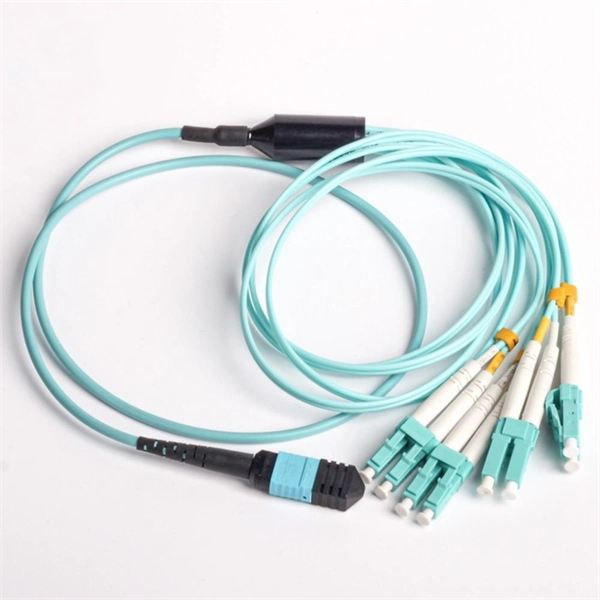
Wavelength Division Multiplexing Decoder
WDM systems are divided into three different wavelength patterns: normal (WDM), coarse (CWDM) and dense (DWDM). Normal WDM (sometimes called BWDM) uses the two normal wavelengths 1310 and 1550 nm on one fiber. Coarse WDM provides up to 16 channels across multiple transmission...
[PDF Version]
-
Tension force when using a standard butterfly-shaped optical cable
Most fiber optic cables allow roughly 1,800 to 4,500 Newtons (400 to 1,000 lbf) of pulling tension, and exceeding this limit during conduit pulls risks severe microfractures and higher light attenuation. Tensile strength measures the maximum pulling force a fiber optic cable...
[PDF Version]
-
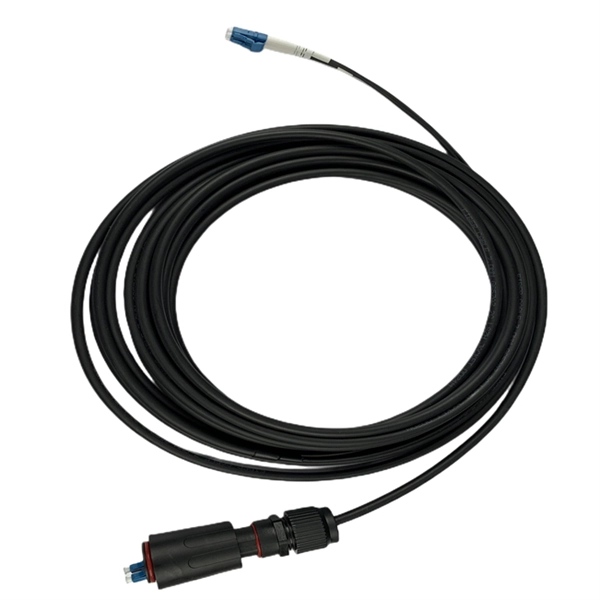
How to send and receive bidirectionally using a single-mode single-fiber cable
BiDi modules are transceivers that can send and receive at the same time over one fiber cable using two wavelengths. This full-duplex allows both directions without requiring a separate fiber for receiving. By reading this blog, you will understand how SFP BiDi technology...
[PDF Version]
-
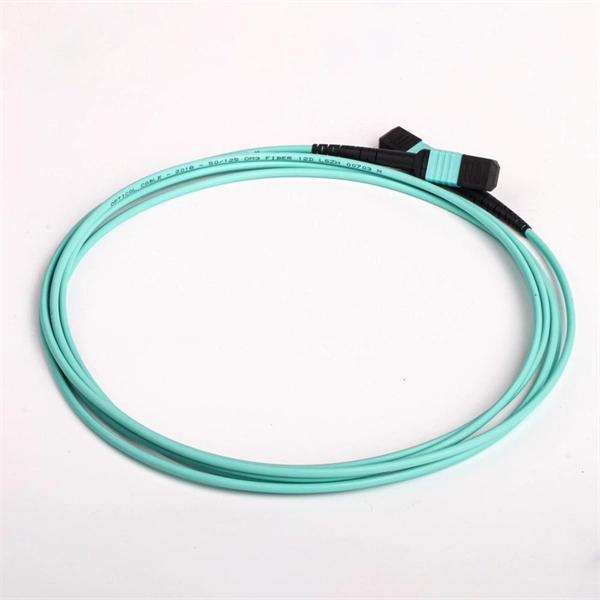
Wavelength Division Multiplexing and Multimode Technology
WDM systems are divided into three different wavelength patterns: normal (WDM), coarse (CWDM) and dense (DWDM). Normal WDM (sometimes called BWDM) uses the two normal wavelengths 1310 and 1550 nm on one fiber. Coarse WDM provides up to 16 channels across multiple transmission...
[PDF Version]
-
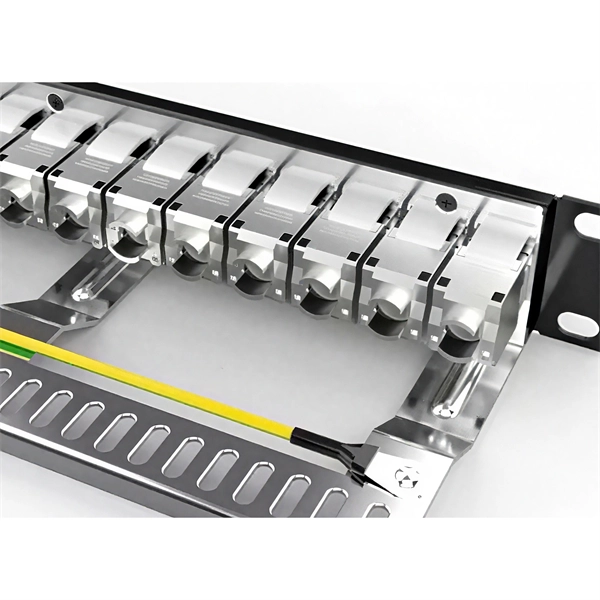
Principles of Beam Splitters and Wavelength Division Multiplexing
In fiber-optic communications, wavelength-division multiplexing (WDM) is a technology which multiplexes a number of optical carrier signals onto a single optical fiber by using different wavelengths (i.e., colors) of laser light. This technique enables bidirectional...
[PDF Version]
-
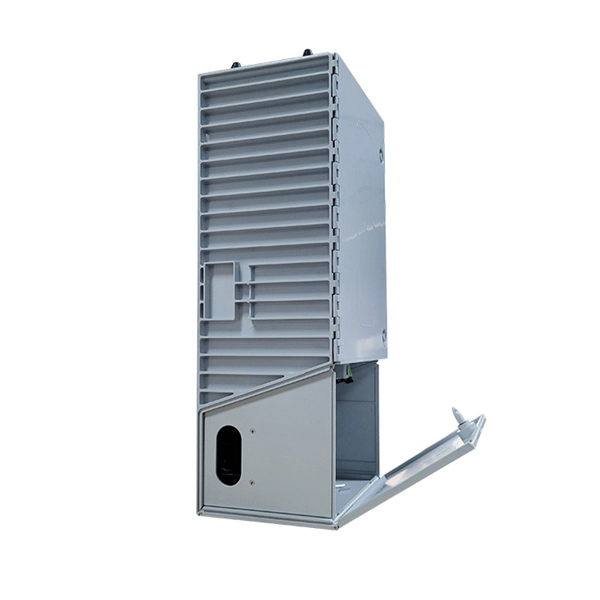
Wavelength Division Multiplexing for Transmitting Digital Signals
Wavelength Division Multiplexing (WDM) stands out as a cornerstone, enabling multiple data streams to travel simultaneously over a single fiber. This guide delves into the principles, types, applications, and future trends of WDM. The concept of WDM was arrived in 1970.
-
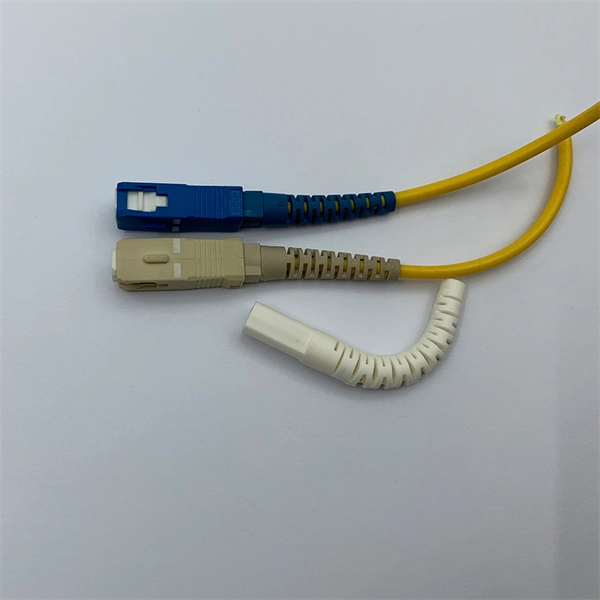
How to fuse optical fiber using patch cords
This wikiHow article teaches the process of manually splicing patch cords and fusion splicing two fiber optic strands together in an 11-step process. Data Servers are at Location A. Managing fiber optic patch cables requires strict adherence to technical standards due to the...
-
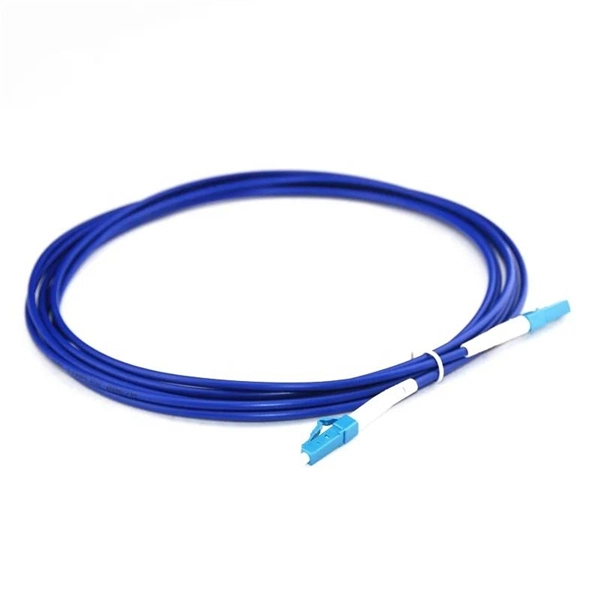
How to locate fiber optic breakpoints using an optical power meter
To use a power meter for fiber optic testing, always clean connectors first with lint-free wipes or click-to-clean tools. Select the correct wavelength and set your reference. You measure optical power in dBm or insertion loss in dB. Consistent procedures ensure accuracy...