Skip to content
QK FIBERSystems Send a project enquiry
Reference library

Network cabinet patch panel network connectors

Published
  • Network
  • Cabinet
  • Patch
Source context

AI source overview

Patch panels and network connectors in a network cabinet provide organized, flexible, and maintainable connections between permanent cabling and active network devices.

Network Cabinets

A network cabinet is a rack or enclosure that houses networking equipment such as switches, patch panels, servers, and cable management accessories. Cabinets provide security, airflow, and structured organization for all network components, ensuring maintainability, scalability, and compliance with standards like ISO/IEC 27001 or DIN EN 50174. Proper planning includes determining device placement, port requirements, redundancy, and color-coded cabling for easy identification (e.g., blue for data, red for VoIP, yellow for management access),.

Patch Panels

A patch panel is a passive device that serves as a central termination point for network cables. It separates permanent cabling (solid-core Cat6/Cat6A runs) from flexible patch cords that connect to switches or other active devices. Patch panels improve network management by allowing quick reconfiguration, fault isolation, and protection of switch ports from repeated wear.

They come in several types: Fixed punch-down panels: Integrated IDC termination blocks wired to T568A or T568B standards; reliable and compact but require full panel replacement if a port fails. Keystone panels: Modular frames that accept keystone jacks, allowing individual port replacement and flexible configuration.

Industrial or DI

N rail panels: May feature Push-in, IDC, or screw connections, sometimes with integrated surge protection or Power over Ethernet (PoE) support.

Network Connectors

Network connectors link cables to patch panels and devices. Common types include: RJ45 connectors: Standard for Ethernet connections, used on patch cords and front panel ports.

ID

C (Insulation Displacement Connector): Allows quick termination of solid-core cables without stripping insulation, commonly used on the back of patch panels. Keystone jacks: Modular connectors that snap into keystone panels; can be wired using punch-down tools or tool-free clips. Push-in or screw terminals: Found in industrial panels for quick, secure connections.

Installation and Cable Management

Proper installation involves: Cable preparation: Strip the outer jacket, arrange wires according to T568A/B standards, and terminate into the patch panel or keystone jack. Mounting: Secure the patch panel to the network cabinet using screws and attach cable managers to maintain order. Routing and labeling: Use cable guides, Velcro ties, and maintain bend radius to prevent damage.

Label each cable and port for easy identification and troubleshooting. Documentation: Record port assignments, IPs, VLANs, and device connections to ensure maintainability and compliance with regulations.

Benefits

Maintainability: Quick identification and replacement of faulty connections. Scalability: Easy expansion without cable clutter. Safety and compliance: Organized cabling reduces fire hazards and supports IT security standards.

Protection of active devices: Patch cords absorb wear, preserving switch ports. By combining network cabinets, patch panels, and proper connectors, organizations can achieve a structured, reliable, and flexible network infrastructure that simplifies maintenance and supports future growth.

Research context

Reference summary

Network Cabinet Cabling: Guide & Documentation TipsNetwork cabinet cabling describes the structured connection and arrangement of all IT components in a se.

From reference to enquiry

Questions for your project

Use these editorial prompts alongside the linked excerpts. They identify items to confirm for your project.

Technical notes

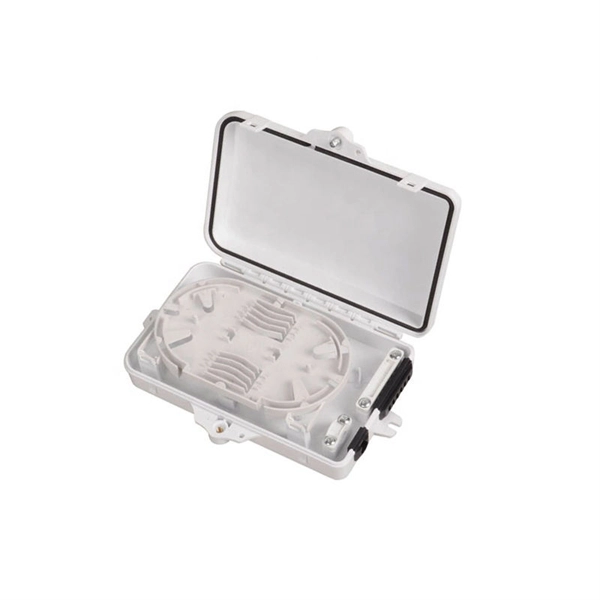
Illustrative equipment image

Network Cabinet Cabling: Guide & Documentation Tips

Network cabinet cabling describes the structured connection and arrangement of all IT components in a server rack. The aim is a secure, maintainable and scalable operation of the network environment.

Network Patch Panel Guide: How to Wire and Organize Your Rack

Master your server rack setup with our comprehensive network patch panel guide. Learn step-by-step how to wire, punch down, and organize your cables for...

Complete Guide to Patch Panels: Types, Benefits, and

Patch Panels, whether using keystone snap-in modules or pre-loaded connectors, are adaptable and flexible hardware that make it easy to manage

AMPCOM Patch Panels – Professional Network & AV Cable

AMPCOM patch panels offer high-density copper & fiber termination for data centers, offices, and AV systems. Modular design, shielded ports, and easy installation for reliable signal routing.

Cable Management for Small LAN with 24-Port Patch Panel (2026

This guide explains how to use a 24-port patch panel to manage copper and fiber cabling in a small LAN, how to choose between different patch panel types, how to design your cabinet

How To Set Up A Network Switch And Patch Panel

Learn how to set up a network switch and patch panel with our comprehensive guide. Get expert tips for optimizing your network performance.

PP DIN Rail Patch Panels | Field to Control Cabinet

PP DIN Rail Patch Panels are ideal for installation inside control panels and distribution cabinets where one-to-one simplified connections need to be made.

Optimizing Data Center Infrastructure: Network

Data centers, organizations and schools consists of server racks and network cabinets in the IT departments to support an abudance of data cables,

What is a Patch Panel?

What is a patch panel? A patch panel in a local area network (LAN) is a mounted hardware assembly that contains ports that are used to connect

How To: Dressing Ethernet Cables into Patch Panels

This blog post provides a step-by-step guide on how to dress Ethernet cables into patch panels. The post covers the following topics: preparing the

Comprehensive Guide to Network Patch Panel & Keystone Jack

Learn the step-by-step network patch panel and keystone jack wiring methods, including essential tools, T568A/B wiring sequences, and tool-free installation tips. This guide covers everything you need for

Patch panel

A patch panel is a device or unit featuring a number of jacks, usually of the same or similar type, for the use of connecting and routing circuits for monitoring,

Server & Network cabinets

Patch cabinets are network cabinets in which you manage all connections of your network, these are sometimes also sold as server cabinets. Servers are computers or programs that provide services to

What is a Patch Panel and Why You Need It?

Each port in a patch panel goes to a different device somewhere in the facility. Each panel bundles all the connections together in order to connect

Patch panel | Phoenix Contact

Patch panels Patch panels serve as interface modules between the field and control cabinet cabling. The new DIN rail devices now also feature Push-in, IDC, or

Avoid the cabling nightmare of data cabinets

For example, the ''Meeting Room port 1'' on your list, might have a label name of '' MEET-P1 '' on the patch panel. Now, when looking at your comms cabinet, if you''re ever contemplating any

What is Patch Panel and Types

What is a Patch Panel? Patch panel is an important component in the structured cabling system, used as a connecting device for telecom and network communication. Its main function is to

Mastering Network Management: The Essential Guide to Patch Panels

Learn essential network management skills by understanding patch panels and their role in organizing and troubleshooting cabling for efficient network operation.

Related Video Reference

This video was associated with the source search result. Verify technical details against current product documentation and project requirements.

Share your network requirements

Share the fiber interfaces, termination capacity, cable route and evidence required for handover.

Send a project brief