
Technical notes
Fiber Optic Connectors: Then vs. Now — DataStrait
Old style fiber optic connectors like the Biconic are now obsolete, but they were cutting edge technology. AT&T derived the name Biconic from a conic
Evolution of the Fiber Optic Connector
The FC connector is often regarded as one of the first widely adopted fiber-optic connectors. With a threaded metal housing, the FC provided stable, low-loss connections ideal for
History of Different Fiber Optic Connector Types
LC connector was developed by Lucent Technologies (Alcatel-Lucent for now) and uses a retaining tab mechanism and the connector body resembles the squarish shape of SC connector,
The Evolution of Fiber Connectors in Networks
Fiber Optic Cable Connectors in Networks: Then and Now The media for most networks, regardless of their size, typically is copper or fiber cabling
What is Fiber Cold Splice?
What is Fiber Cold Splice? The fiber quick splicing connector is also called field assembly connector, means only use simple splicing tools not fusion splicer to realize drop cable terminated.
Optical fiber fast connector/cold connection skills
Conclusion Optical fiber fast connectors are an excellent alternative to traditional fiber connectors due to their ease of use and quick installation. Installing a fast connector requires specific
Optical fiber cold connection advantage
Optical communication is now the dominant network transmission method in society, which is nothing more than because it has many advantages and is now a new transmission medium. The
Know Your Fiber Connectors
Fiber optic connectors include plugs that feature a protruding ferrule that holds the fiber in place and an associated adapter for aligning and mating fibers to form a connection point. The first
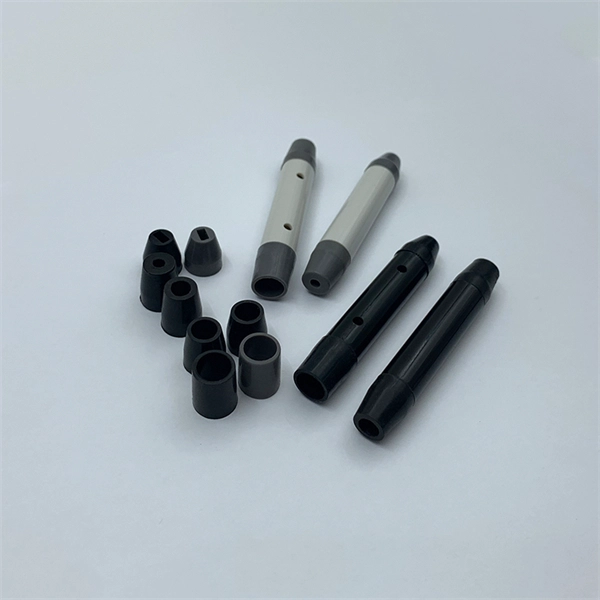
10pcs Fiber Optic Mechanical Splice FTTH Fast Connector
Use and characteristics: The optical fiber cold sub uses two pigtail when docking, its main parts inside is a precision V groove butt joint, use cold son to achieve two pigtail pigtail fiber aftertwo dial. He
The History of Fiber Connectors
However, a permanent link limits the flexibility of a network. In comparison, fiber connectors are used to terminate the end of an optical fiber.
The difference between optical fiber quick connector and cold connector
The continuous updating of several optical communication technologies has driven the large-scale development of fiber-to-the-home, thereby promoting the continuous expansion of the market scale
5pcs L925B Fiber Optical Cold Fast Splicer Connector
Amazon : 5pcs L925B Fiber Optical Cold Fast Splicer Connector Bare Fiber Tail Fiber Rapid Connection : Industrial & Scientific Fiber diameter:125um Cost
Evolution of the Fiber Optic Connector
An astounding variety of designs were used in the first years of fiber optic applications. Let''s take a look at the early development of fiber optic connectors in the 1970s & 1980s &
The FOA Reference For Fiber Optics
The air gap between the fibers causes a reflection when the light encounters the change in refractive index from the glass fiber to air in the gap. Beginning with the ST and FC, which had keyed ferrules,
Optical fiber termination methods hot welding, cold joint, and coupling
There are 3 types of optical fiber termination methods for different optical communication projects and technical requirements of the cable terminal construction personnel: cold mechanical
Fiber Connector Types: A Comprehensive Guide 2025
The SC connector is one of the earliest and most enduring types in the fiber optic world. Known for its square shape and push-pull coupling, SC is
FIBER OPTIC CONNECTORS: THEN VS. NOW
Old style fiber optic connectors like the Biconic are now obsolete, but they were cutting edge technology. AT&T derived the name Biconic from a conic-shaped ferrule centered around the
Fiber Optic Connectors Basics, Styles, Trends
Rather than glue the fiber in the connector, these connectors use a crimp on the fiber to hold it in. Early types offered “iffy” performance, but today they are pretty
Related Video Reference
This video was associated with the source search result. Verify technical details against current product documentation and project requirements.