Skip to content
QK FIBERSystems Send a project enquiry
Reference library

OLT devices and core switches

Published
  • Olt
  • Devices
  • Core
Source context

AI source overview

OLT devices manage and control fiber-optic access networks, while core switches handle high-speed data forwarding and connectivity within the backbone or LAN infrastructure. Optical Line Terminals (OLT)An OLT (Optical Line Terminal) is the central device in a Passive Optical Network (PON), typically located at the service provider's central office. It serves as the master node, connecting the provider's backbone network to multiple Optical Network Units (ONUs) or Optical Network Terminals (ONTs) at user premises.

Key functions include: Signal Conversion: Converts electrical signals from the provider's network into optical signals for downstream transmission and vice versa for upstream signals. Bandwidth Management: Dynamically allocates bandwidth to each ONU using Time Division Multiple Access (TDMA) to prevent collisions and ensure quality of service (QoS) for voice, video, and data. Network Control: Provides centralized management through protocols like OMCI, enabling remote configuration, monitoring, and firmware upgrades of ONUs.

Redundancy and Reliability: Carrier-grade OLTs include power supply and link redundancy to maintain uninterrupted service.

OL

T devices use specialized optical modules such as SFP, XFP, or QSFP28, depending on the PON technology (GPON, XG-PON, 10G PON, or future 25G/50G PON) and deployment scale. These modules support long-distance transmission (20–60 km) and high split ratios (up to 1: 128).

Core Switches

A core switch is a high-capacity network switch that operates at the backbone or core layer of a network, typically within data centers or enterprise LANs. Its primary roles include: Data Forwarding: Routes and forwards data packets between different network segments or VLANs efficiently. Network Segmentation: Divides the network into manageable segments to reduce congestion and improve performance.

High-

Speed Connectivity: Supports multiple high-speed ports (1G, 10G, 25G, or higher) for connecting aggregation switches, servers, and other core devices. Layer 2/3 Operations: Operates at both the Data Link and Network layers, enabling advanced routing, VLAN management, and traffic optimization. Core switches typically use Ethernet-focused optical modules (SFP, SFP+, QSFP) optimized for point-to-point or point-to-multipoint connections, rather than PON-specific modules.

Key DifferencesFeatureOLTCore SwitchPrimary RoleManages PON access network and user connectionsHigh-speed data forwarding and backbone connectivityNetwork LayerAccess layer (PON)Core/aggregation layer (LAN/WAN)Optical ModulesPON-specific (GPON/XG-PON, tunable wavelengths)Ethernet-focused (SFP, SFP+, QSFP)Traffic ManagementTDMA, bandwidth allocation per ONUMAC learning, VLAN routing, QoS for LAN trafficDeploymentCentral office or ISP hubData centers, enterprise core networksIntegrationIn a typical fiber-to-the-home (FTTH) deployment, the OLT connects upstream to core switches or routers, which then interface with the broader internet or enterprise backbone.

The OL

T handles subscriber-level traffic, while the core switch ensures high-speed aggregation and routing across the network. This separation allows scalable, reliable, and efficient network operation. In summary, OLTs are specialized for managing optical access networks and subscriber connections, whereas core switches provide high-speed, centralized data forwarding and backbone connectivity, with each device using optical modules suited to its specific role.

Research context

Reference summary

Optical Modules in OLT vs. Switches: Types and OLT (Optical Line Terminal) and switches are critical devices in optical communication networks, but their o.

From reference to enquiry

Questions for your project

Use these editorial prompts alongside the linked excerpts. They identify items to confirm for your project.

Technical notes

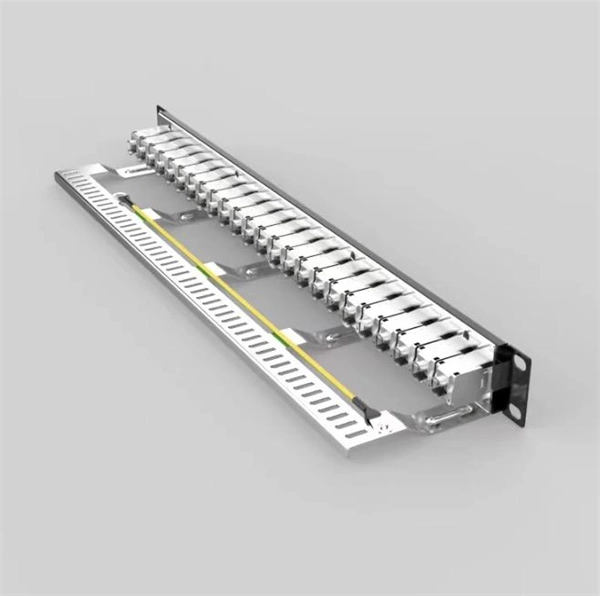
Illustrative equipment image

Optical Modules in OLT vs. Switches: Types and

OLT (Optical Line Terminal) and switches are critical devices in optical communication networks, but their optical modules differ significantly in

What Is an OLT? | Definition, Function & Role in GPON

Introduction - Why OLT Matters in Modern Fiber Networks In the age of fiber-to-the-home (FTTH) and ultra-broadband connectivity, the Optical Line

Guide to Optical Line Terminal (OLT) Classifications:

Explore the different classifications of OLT equipment, understanding each type''s unique functions and applications. Read this article to find the best

What is OLT (Optical Line Terminal)? Types, Features & Applications

At the core of Passive Optical Networks (PON), the Optical Line Terminal (OLT) plays a vital role in enabling efficient data transmission and centralized network control. This article explores

The Comprehensive Guide to PON Architecture: Mastering OLT,

Comprehensive guide to Passive Optical Networks (PON), covering OLT, ODN, ONU/ONT, GPON/XGS-PON/NG-PON2 standards, deployment strategies, and FTTH network

OLT ODN ONU ONT: The Guide to FTTH Network Components

Whether you need powerful OLTs, passive ODN splitters, or versatile ONUs and ONTs, our professional OEM/ODM services ensure your network is built with perfect compatibility and

What is The Difference Between OLT and Switch?

OLTs are crucial in delivering high-speed broadband services over fiber optics, especially in PON architectures, while switches are fundamental components in LANs, facilitating

OLT vs Switch: What''s the Difference?

In summary, OLT and Switch are both fundamental networking devices, but they serve different purposes. The OLT is an essential part of a fiber

Optical line terminals

Our SDX 6000 Series of software-defined optical line terminals (OLTs) consists of open and disaggregated access devices that support a broad range of PON standards, including 10G Combo

Difference between OLT,ONU,Router and Switch

OLT ONU,Router and Switche as optical network transmission equipment, the difference between them has been widely concerned,Today Richerlink will explain in detail. 1.OLT and ONU First, the OLT is

Read the Features Optical Line Terminal (OLT)

OLT and Its Component In a fiber optic network, an OLT (Optical Line Terminal) is a device used to aggregate and manage the optical signals

What''s the OLT (Optical Line Terminal)?

Introduction - Why OLT Matters in Modern Fiber Networks In the age of fiber-to-the-home (FTTH) and ultra-broadband connectivity, the Optical Line Terminal - or OLT - is one of the most crucial devices

OLT vs Network Switch: When to Use Each Device

When to Use a Switch Use a switch when every device needs a dedicated bandwidth allocation that does not depend on a split ratio. Data centers, enterprise LANs, and ISP core

Optical Line Terminal (OLT) The Ultimate Guide

1. What is an OLT? An OLT (Optical Line Terminal) is the core device in a Passive Optical Network (PON) — the interface between the core network and the

Decoding OLT, ONU, ONT, and ODN in PON Network

In the PON network, there is an OLT at the service provider''s central office and a number of ONU devices or optical ONT devices near end users, as well as the optical splitter (SPL). In

OLT and ONT

OLT supports bandwidth allocation that allows to make smooth delivery of data float to the OLT, that usually arrives in bursts from customer. Can be located also

What''s the OLT/Optical Line Terminal?

The OLT/Optical Line Terminal, also known as optical line termination, is the endpoint hardware device in a passive optical network (PON). Learn more about the two primary functions of OLT.

Choosing the Right OLT for Your FTTH Network

The OLT manages upstream and downstream communication and handles bandwidth allocation, traffic control, and security functions. In simple terms, the OLT is the core engine that runs

Related Video Reference

This video was associated with the source search result. Verify technical details against current product documentation and project requirements.

Share your network requirements

Share the fiber interfaces, termination capacity, cable route and evidence required for handover.

Send a project brief