
Technical notes
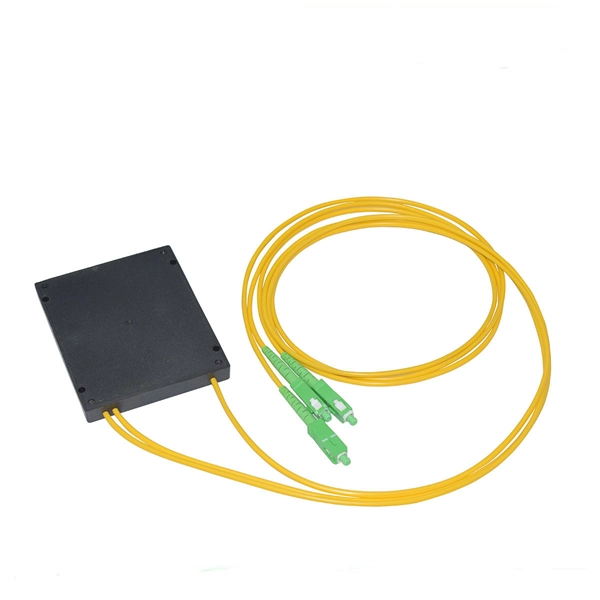
What is a Fiber Optical Cable Belts
In practical applications, the use of Fiber Optical Cable Belts can greatly improve the efficiency of fiber optic cable laying, especially in long-distance, large-scale fiber optic cable construction, the role of
Fiber-optic cable
OverviewDesignPerformanceCable typesColor codingHybrid cablesInnerductsSee also
A fiber-optic cable, also known as an optical-fiber cable, is an assembly similar to an electrical cable but containing one or more optical fibers that are used to carry light. The optical fiber elements are typically individually coated with plastic layers and contained in a protective tube suitable for the environment where the cable is used. Different types of cable are used for fiber-optic communication in different applications, for exa
machines for fiber optical cable production
Acquire reliable equipment to produce optical cables for outdoor applications. Our machines win customers over with their outstanding
Fiber Optic Cable
Fiber Cable Belden''s extensive line of indoor and outdoor cable products is offered in tight buffer and loose tube designs. Armored, burial, and ruggedized designs
Optical Cable Assemblies
Radiall is a global leader in the design, development and manufacturing of high quality optical cable assemblies and complex optical systems.
Fiber Optic Cable | Farnell® Germany
Ideal for telecommunications, data centres and networking applications, our fibre optic cables are available in single-mode and multimode configurations to meet the specific needs of your system.
Timing belts directly from the manufacturer Optibelt –
Optibelt timing belts: durable, precise, and high-performance. All information on types, advantages, and applications at a glance.
A Complete Guide to Fibre Optic Cables | RS
Far less electricity is also used by fibre optic LED lighting compared to standard bulb options, which makes it both environmentally friendly and
What Is Fiber Optic Cable?
A fiber optic cable is a long-distance network telecommunications cable made from strands of glass fibers that uses pulses of light to transfer data.
Fiber Optic Cable Buying Guide
Fiber Optic Cable Buying Guide Understand how to choose fiber optic cable by comparing single‑mode vs. multimode, network speed and distance needs,
Fiber Optic Cable Types Explained: Choosing the Right Fiber Cable
Explore different types of fiber optic cables, from single mode to armored and LC uniboot options. Learn how to choose the right fiber jumper for your data center, telecom, or FTTA
AlumaCore Optical Ground Wire (OPGW)
AFL''s AlumaCore OPGW (Optical Ground Wire) combines lightweight aluminum construction with integrated fiber optics for overhead transmission lines.
Crush-Proof Stainless Steel Micro-Armored Fiber Optic
Learn more about our crush-proof stainless steel micro-armor fiber optic cables, the smallest and most flexible in the industry.
Buy Optical Cables at Thomann – Thomann UK
Buy Optical Cables + accessories online from Europe''s largest music retailer Fast shipping 30 days money-back 3-year Thomann warranty
Fiber Optic Systems
Fiber Optic Systems Our extensive offering of fiber optic cables, connectors, cassettes, enclosures, patch cords, cable assemblies, cable distribution products
Corning® ALTOS® Loose Tube Fiber Optic Cables
Corning ALTOS® cables provide stable performance over a wide temperature range and are compatible with any telecommunications-grade optical fiber.
Advantages and Disadvantages of Fibre Optic Cable
Fiber optic cables allow much more cable than copper twisted pair cables. Fiber optic cables have how more bandwidth than copper twisted pair cables. Disadvantages of Fiber Optic
Basic Components of a Fiber Optic Cable
This article examines the key components that make up a fiber optic cable including the core, cladding, coating, strengthening fibers and cable jacket.
Related Video Reference
This video was associated with the source search result. Verify technical details against current product documentation and project requirements.