
Optical Line Terminals
Search optical fiber, connectivity, cable management and network infrastructure references.
- Optical
- Line
- Terminals
Articles and technical references
8 on this page-
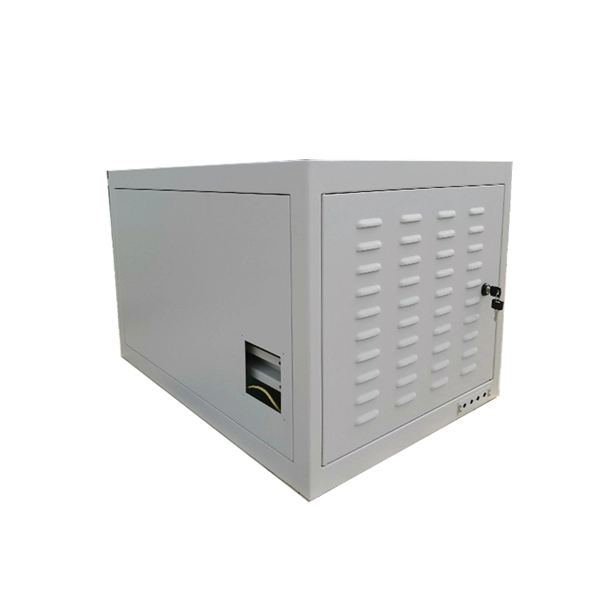
Australian OLT Optical Line Terminal SFP
The UFiber OLT offers eight GPON ports and supports up to 1024 concurrent clients with physical links of up to 20 km in distance. Two SFP+ ports provide 10G of uplink connectivityFilters are only applicable to select product ranges while data is being collated. 988 and meets...
[PDF Version]
-
Analysis of the Causes of Optical Cable Line Blockages
In fact, contamination—including dust, fingerprints, and oily residues—is the leading cause of fiber failures, as it can lead to excessive signal loss or even permanent damage to the connector end faces. Other possible issues include faulty fusion splices, misalignment, or...
[PDF Version]
-
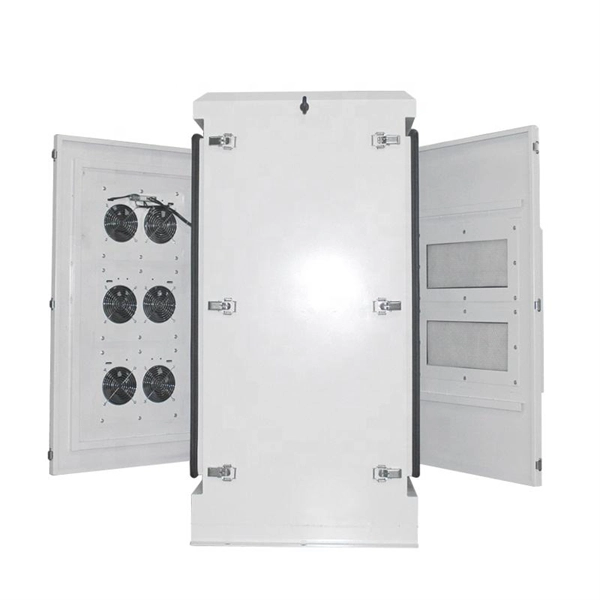
Inquiry about OLT optical line terminal 800G
The RicherLink RL8008G GPON OLT optical line terminal is self-developed Compact 1U GPON OLT equipment,meeting the requirements of ITU-T G. 988 and relative standards of China Telecom/Unicom GPON, possessing super GPON access capacity, carrier-class reliability and the. At the...
[PDF Version]
-
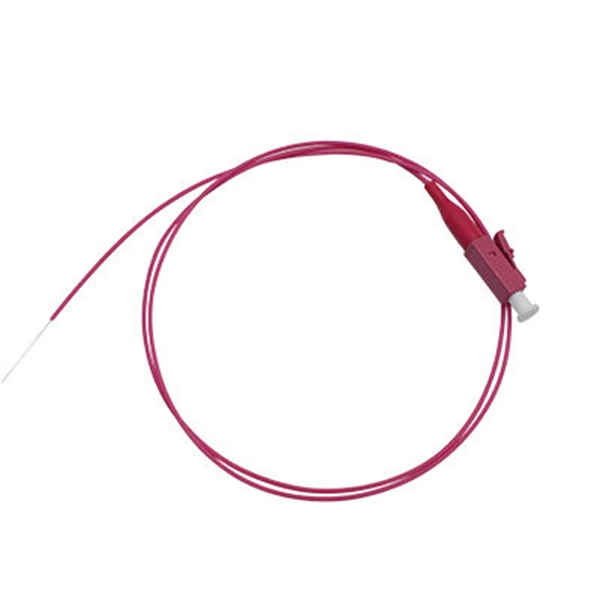
Smart City-Level OLT Optical Line Terminal Intelligent Selection Guide
Complete OLT buying guide covering GPON/EPON/XGS-PON standards, port density calculation, brand comparison (Huawei, ZTE, FiberHome, VSOL), and deployment tips for ISPs and network operators. What is an OLT and Why Does It Matter? An Optical Line Terminal (OLT) is the core...
[PDF Version]
-
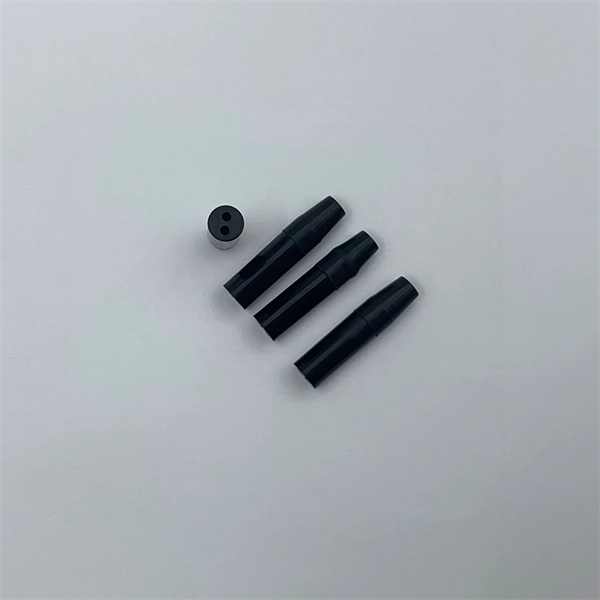
Columbia Price Optical Line Terminal SFP
An optical line termination (OLT), also called an optical line terminal, is a device which serves as the service provider endpoint of a. It provides two main functions: 1. to perform conversion between the electrical signals used by the service provider's equipment and the...
-
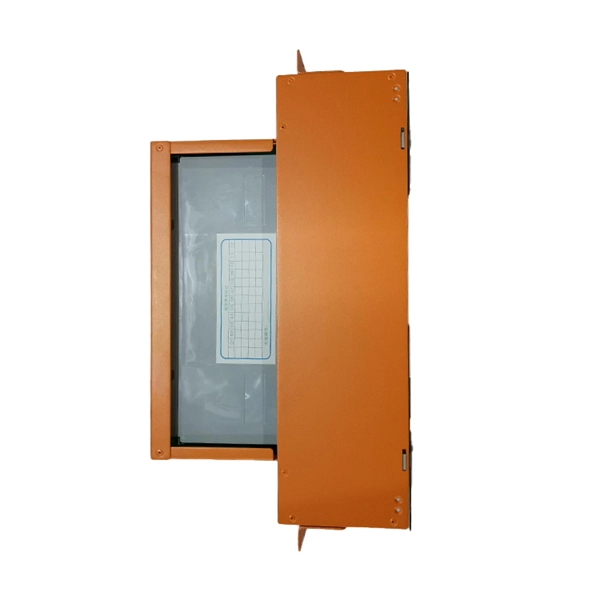
What is the length of a long-distance optical fiber cable line
Max Length: Up to 100 kilometers (62 miles) or more without needing signal boosters or amplifiers. Usage: Single-mode fiber is ideal for long-distance communication, such as connecting cities or telecommunications over vast regions. Attenuation is the progressive loss of...
-
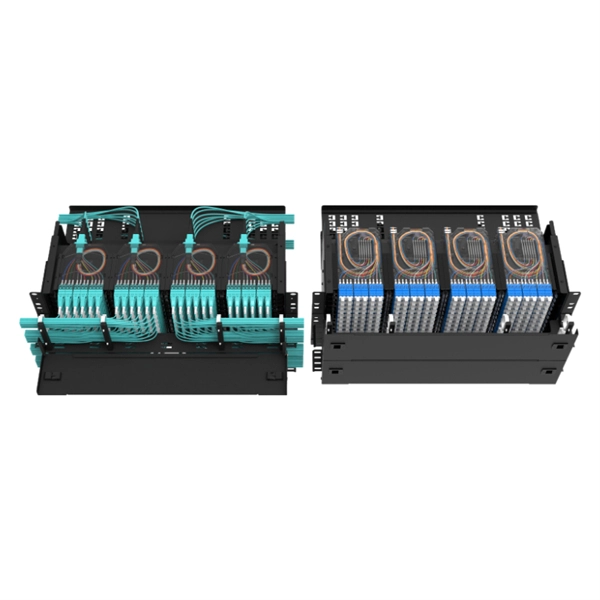
What is the interface at the midpoint of an optical cable line
Optical fiber consists of a and a layer, selected for due to the difference in the between the two. In practical fibers, the cladding is usually coated with a layer of or. This coating protects the fiber from damage but does not contribute to its properties. Individual coated...
-
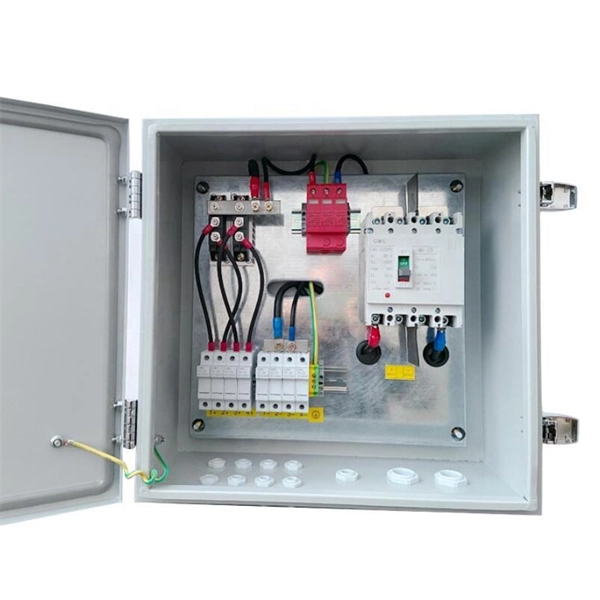
Loss per kilometer of optical cable line
Fiber optic loss is calculated in two parts: cable loss and connector loss. Cable loss (dB) = cable length (km) × attenuation coefficient (dB/km). 2 dB/km for single-mode fiber at 1550nm and 0. Termed as connector losses, these refer to the reductions in light power that...
[PDF Version]