
Technical notes
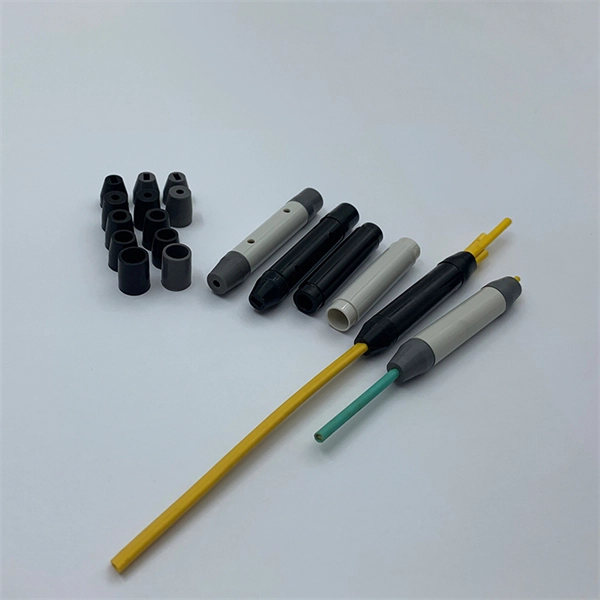
Optical device packaging technology: COB, BOX and coaxial
Common optical device packaging methods include COB (chip-on-board packaging), BOX and coaxial packaging. Today, we will discuss the differences between them to help you better understand their
COB vs. BOX vs. Coaxial: Key Differences in Optical Device Packaging
Common optical device packaging methods include COB (chip-on-board packaging), BOX and coaxial packaging. Today, we will discuss the differences between them to help you better
Introduction To The COB Process For Optical Modules
Compared with conventional processes, the COB process offers high packaging density, simplified procedures, minimal signal integrity issues, and a certain cost advantage.
Comparing COB vs. BOX Packaging for Optical Modules
Explore the differences between COB and BOX packaging in optical modules. Discover their applications, costs, and suitability, limitation.
A Closer Look at COB and BOX Packaging in Optical Modules:
Conclusion Selecting the right packaging technology for optical modules requires a careful evaluation of the application environment, cost considerations, and performance
COB, BOX and coaxial difference analysis
In the field of optical communication, the packaging of optical devices plays a crucial role in the performance and application of optical modules. Common optical device packaging methods
Box, COB, and TO Can: 3 Common Packaging Forms
Currently, It is common in telecom-grade optical modules. Ease of Integration: Box packaging allows laser components to be integrated into standardized enclosures, making them
Exploring the Applications of COB and BOX Packaging
We will introduce you to the basics of the two optical module package types: cob package and box package, and how they compare to each other.
Why 100G Data Center Transceiver Prefers COB Packaging
Conclusion On the whole, COB package meets the requirements of high reliability and low cost, and is the mainstream package type for 100G QSFP28 optical module.
Chip-on-board packaging of high-speed optical transceiver applying
We demonstrate chip-on-board (COB) packaged optical module operating at data rate of 25 Gb/s based on silicon photonic integrated circuits (Si-PIC). Electrical loss and packaging criteria
Optical Transceiver: Packaging Methods & Optical Chip Types
This article analyzes the requirements of optical transceivers and discusses packaging methods and optical chip types to help readers better understand their design and manufacturing...
Application of COB packaging technology in camera module
COB packaging technology COB packaging technology is currently the mainstream electronic mounting technology, the assembly process mainly includes SMT, lens dispensing, sensor
COB vs. BOX Packaging Transceiver Optics: What is
From the user''s point of view, the main difference between COB and BOX Packaging transceiver optics is the difference in performance, different use
Introduction To The COB Process For Optical Modules
In recent years, the COB (Chip-on-Board) process has been frequently mentioned in the context of high-speed optical modules. The COB process refers to a technology that directly mounts
COB vs. BOX vs. Coaxial: A Comparison of Optical Device Packaging
In optical communication, the packaging of optical devices is critical to the performance, reliability, and application of optical modules. Three common packaging methods—COB (Chip-on
Optical device packaging technology: COB, BOX and coaxial
In the field of optical communication, the packaging of optical devices plays a crucial role in the performance and application of optical modules. Common optical device packaging methods include
COB vs. BOX Packaging Transceiver Optics: A Comprehensive
Explore the differences between COB (Chip-on-Board) and BOX (Airtight Package) packaging for high-speed optical transceivers in data centers. Learn about COB and BOX basics,
Advanced optical packaging – how much do you know ?
Optical transceiver modules can be classified into three levels: optical chip, optical device, and optical module. They are used in telecom and data communication applications and can be
Related Video Reference
This video was associated with the source search result. Verify technical details against current product documentation and project requirements.