
Optical Passive Components Types Functions And
Search optical fiber, connectivity, cable management and network infrastructure references.
- Optical
- Passive
- Components
Articles and technical references
9 on this page-
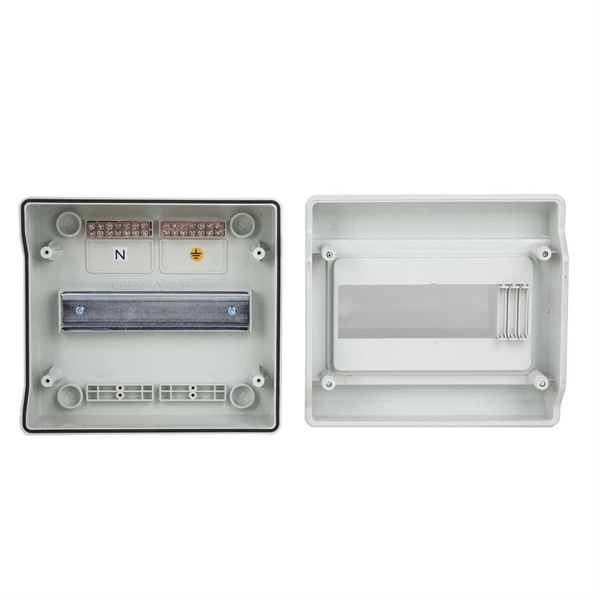
What are the five main types of passive optical devices
Common types include splitters, couplers, filters, isolators, and wavelength division multiplexers (WDMs). Fiber optic passive components are the backbone of any optical communication system, ensuring that light signals can be transmitted, divided, filtered, or routed with...
-
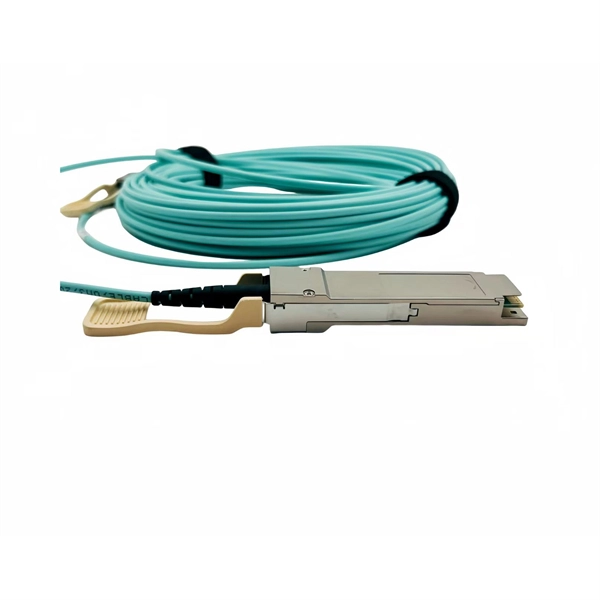
Passive optical components that are crucial in PON
Key components of a Passive Optical Network include the Optical Line Terminal (OLT), Optical Network Unit (ONU) or Optical Network Terminal (ONT), Optical Distribution Network (ODN), and Optical Splitters. An OLT is a device used to interface between the service provider's...
[PDF Version]
-
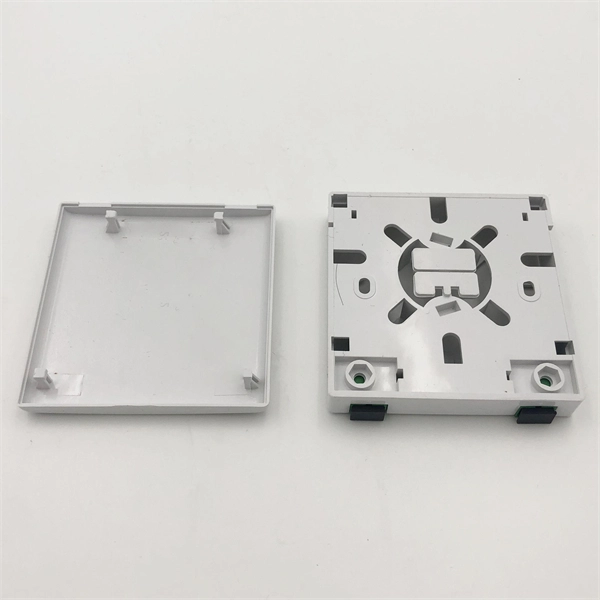
Functions of Vietnam Passive Optical Network Unit
Terminates the fiber and distributes service to multiple users via local copper or Ethernet lines. Bidirectional Optical-to-Electrical Conversion. Terminates the fiber at the user's location and provides final service interfaces (Wi-Fi, Ethernet . As an essential node in...
[PDF Version]
-
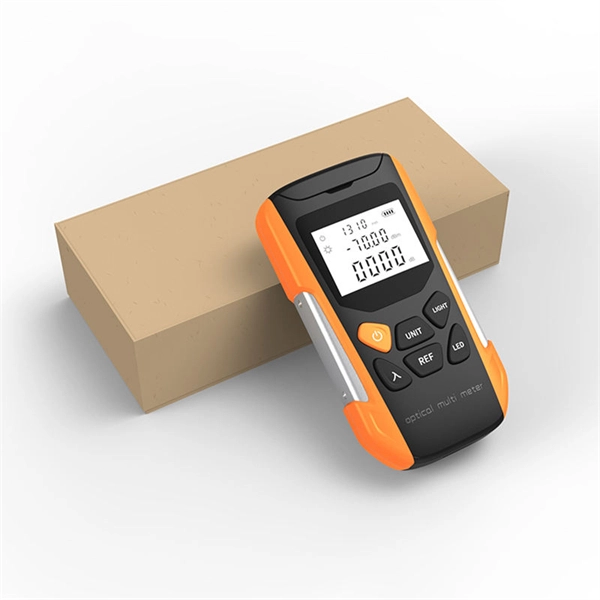
What are the functions of the Tonga optical switch
An optical transistor, also known as photonic transistor, optical switch or light valve, is a device that switches or amplifies. Light occurring on an optical transistor's input changes the intensity of light emitted from the transistor's output while output power is supplied...
-
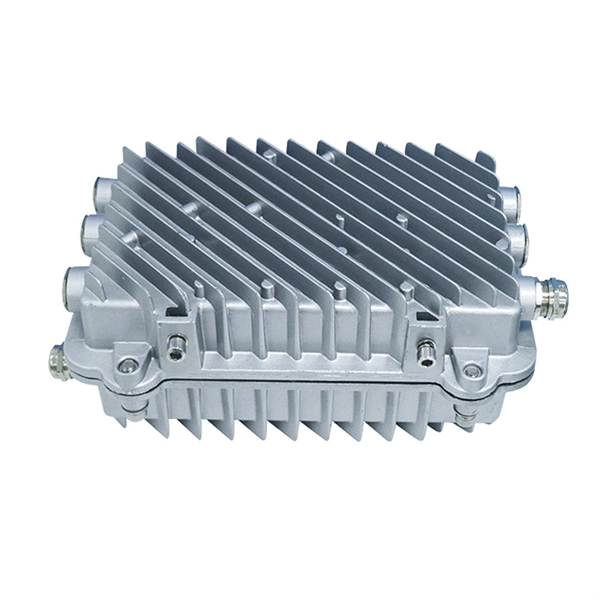
Core upstream components of optical modules
At the heart of every optical transceiver lie three essential components, often called the “Three Pillars” of optical communication: Laser — generates light. Modulator — encodes data onto the light. Whether in 5G base stations, hyperscale data centers, or long-haul telecom...
-
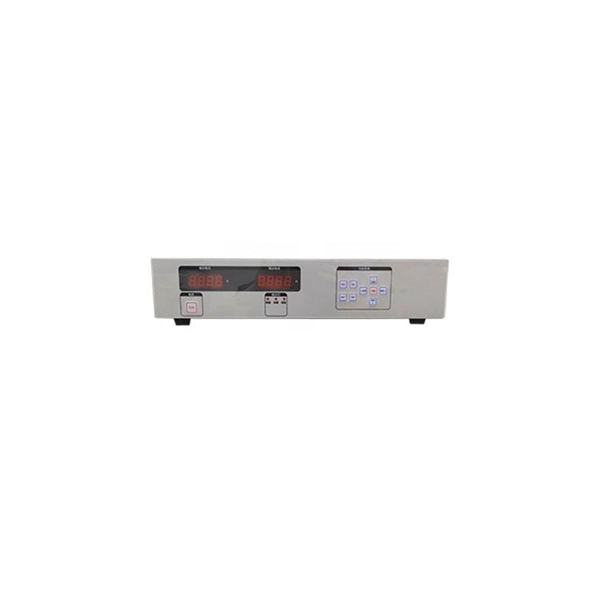
Icelandic spot active optical components OSFP
A: The OSFP is a pluggable form factor with 8x high speed electrical lanes that support up to 400 Gbps (8x50G), 800 Gbps (8x100G), or 1. Up to 36 OSFP ports are supported in 1 U front panel. Q: What are the variants of the OSFP form factors?OSFP-XD MSA Rev 1. and a disclaimer...
[PDF Version]
-
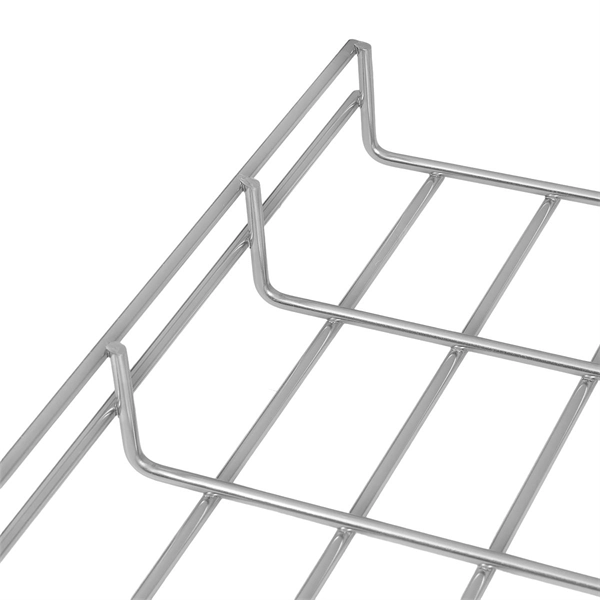
Optical Cable Types and Applications
Optical fiber consists of a and a layer, selected for due to the difference in the between the two. In practical fibers, the cladding is usually coated with a layer of or. This coating protects the fiber from damage but does not contribute to its properties. Individual coated...
-
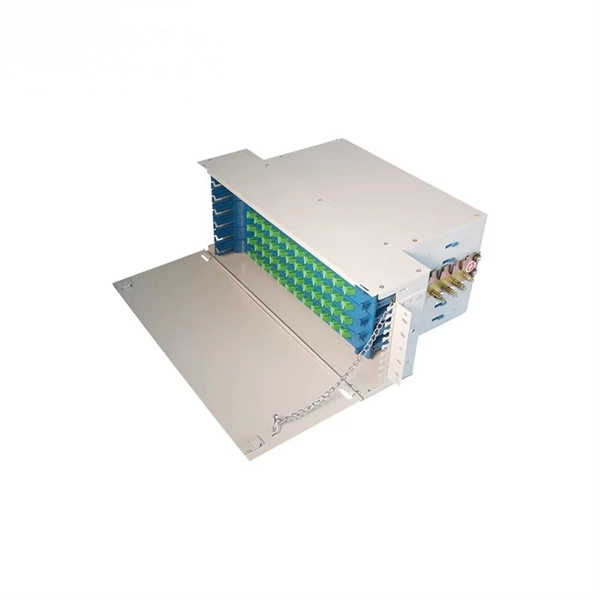
What are the functions of an optical splitter
A fiber-optic splitter, also known as a, is based on a of an integrated waveguide power distribution device, similar to a The system uses an optical signal coupled to the branch distribution. The splitter is one of the most important in the link. It is an optical fiber tandem...
-

What are the types of low-voltage optical cable laying
The common laying methods of low-voltage cables include direct buried laying, cable trench laying, tunnel laying and wall laying. When the number of cables laid along the same path is not more than 8, direct buried laying shall be adopted as far as. This is where low-voltage...
[PDF Version]