
Technical notes
DIN rail switch in various variants | ShopFiber24
These DIN-rail switches can withstand a wide temperature range and some feature redundant power inputs. Our high-quality DIN-rail switches each have at least
Application of Din-Rail type Optical Fiber Terminal Box, how to choose
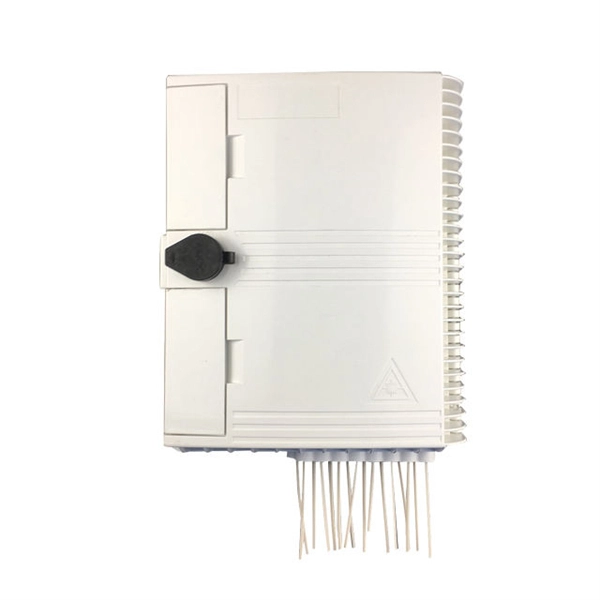
HT2005-DR-12LCD Din-Rail type fiber optic terminal box, also known as rail-type fiber optic fusion box, distribution box, the core definition is: A small optical fiber management device that can be installed
Industrial Rail-type Lite Managed 8* Gigabit Electrical
It contains 8 Gigabit electrical Ethernet ports and 4 Gigabit optical ports, which is particularly suitable for occasions with large data flows such as video transmission.
Optical Rail Systems – Buying Guide & Supplier List | RP Photonics
This optical rail systems buying guide provides technical background, comparison of major types, selection criteria, and an overview of suppliers.
Industrial Ethernet Switches | Phoenix Contact
NAT switches combine switching and routing in a single DIN rail device. The robust unmanaged and managed switches with IP65/IP66/IP67 protection are compact
Sensor Rails & DIN Rails
Sensor rails and DIN rails are mounting solutions used in electrical and automation applications. They provide a standardized method for securing sensors, controllers, and other electronic devices in
optical rails guide
An optical rail is a basic unit for configuring optical systems and consists of the rail itself, a carrier for mounting components and feet for stabilizing and securing the
UOTEK UT-6406GM serial 4 Electrical Ports + 2 Optical
In order to meet the different requirements of industrial applications, this series adopts a modular design, up to 2 Gigabit optical fiber ports and 4 Gigabit
Gigabit Switch Industrial-Grade Rail Type Ring Network Gigabit 2
Gigabit Switch Industrial-Grade Rail Type Ring Network Gigabit 2 Optical 8 Power 1 COM WEB Management Fiber Optic Transceiver
Optical Switches — EITC
- Overview Optical switches, also known as phototransistors or light valves, are devices used to open or close optical paths or switch and amplify
Optical Switches Principles Classifications and Applications-
Switching Speed: Ranges from milliseconds (mechanical) to nanoseconds (electro-optic). Power Consumption: MEMS/integrated switches consume mW-level power; thermo-optic types
Optical Switches and their significance in High-speed, Large-Capacity
MEMS type optical switches are capable of compact integration and high-speed operation and are ideal for large-scale switching applications. Although the switches require power to maintain
Optical Rails Selection Guide: Types, Features, Applications
An optical rail enclosure should be versatile, practical, and user-friendly. An optical rail enclosure should allow the use of any type of optical rail while designing optical systems. Optical rails and bases are
Optical Fiber Explained and Demystified
Types of fibers Overall, there are two types of fiber optic cables available: multimode and singlemode, with both types having a number of subtypes. Multimode fiber
What Are Optical Switches and How Do They Work?
Eliminating the time-consuming optical-to-electrical and electrical-to-optical conversion steps removes a major bottleneck, particularly relevant for latency-sensitive applications. Optical
Optical Switches – types, electro-optic, acousto-optic,
This article provides a comprehensive overview of optical switches, explaining their fundamental principles and diverse applications in areas like laser technology,
All-Optical Switching Tutorial, Part 1
The second tutorial covers optical switching fabric. In particular, it shows how different sizes and types of switch require different methods of routing light through their cores.
Fiber Optic Switch: Basic Elements in Optical Switching
Fiber optic switches and optical switch arrays are important optical components in fiber optic communication systems. As networks turn to all-optical platforms,
Related Video Reference
This video was associated with the source search result. Verify technical details against current product documentation and project requirements.