
Optical Transceiver Technology Evolution Over 25 Years
Search optical fiber, connectivity, cable management and network infrastructure references.
- Optical
- Transceiver
- Technology
Articles and technical references
9 on this page-

ADSS Optical Cable Technology Standards
All-dielectric self-supporting (ADSS) cable is a type of that is strong enough to support itself between structures without using conductive metal elements. It is used by companies as a communications medium, installed along existing overhead transmission lines and often...
-

RJ45 port optical transceiver module
RJ45 SFP modules connect traditional copper Ethernet cables to SFP switch ports initially intended for fiber optic connections. Rather than transporting light signals like fiber modules do, these adapters convert the electrical signal transmission over copper medium. RJ-45...
-
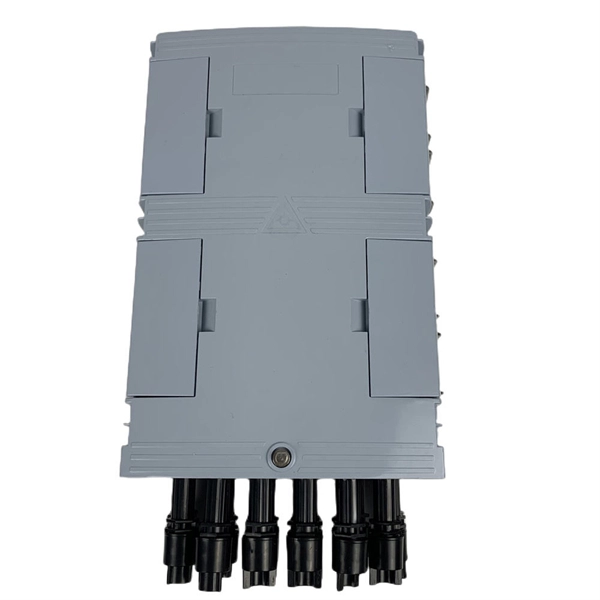
Is a fiber optic transceiver the same as an optical receiver
These are a small device that uses fibre optic technology to transmit and receive data. It takes electrical signals from a computer, switch, or router and turns them into light signals. Then the light travels through the fiber to a receiver at the other end, which changes the...
-
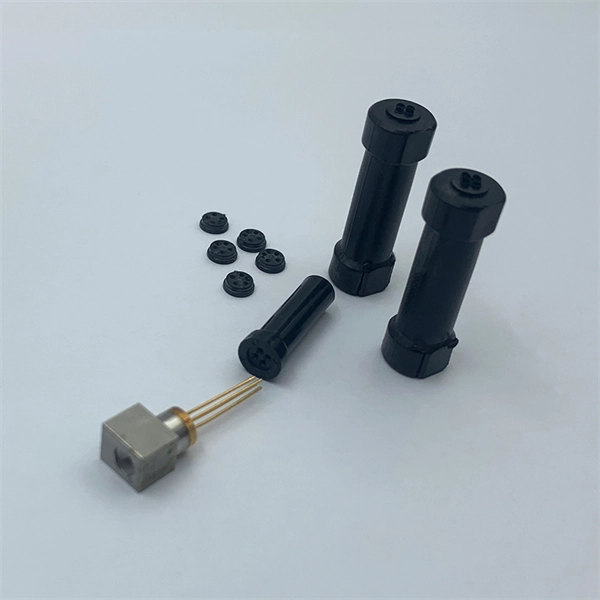
What is the beam splitting ratio of a primary optical transceiver
The split ratio of light transmittance and reflectance is 1:1 and is called a half mirror. Good fit for large beam size applications at a reasonable price. Advantages are: minimal. By dividing a single optical signal from a central Optical Line Terminal (OLT) into multiple...
[PDF Version]
-

Nigerian Long-Distance Optical Transceiver 200G
This CFP2 coherent optical module supports wavelengths from 1528 to 1567 nm and has a transmission capacity of up to 200 Gbps. With EDFA for transmission, point-to-point can reach 1000km. Cisco Compatible 200GbE SR4 transceiver is a 4-channel, pluggable, QSFP56, optical...
[PDF Version]
-

Development of Optical Interconnect Technology in Data Centers
Optical interconnects have emerged as a promising solution, offering significant advantages over traditional electrical interconnects. In this article, we will explore the benefits, applications, and future directions of optical interconnects in modern data centers. Data...
[PDF Version]
-
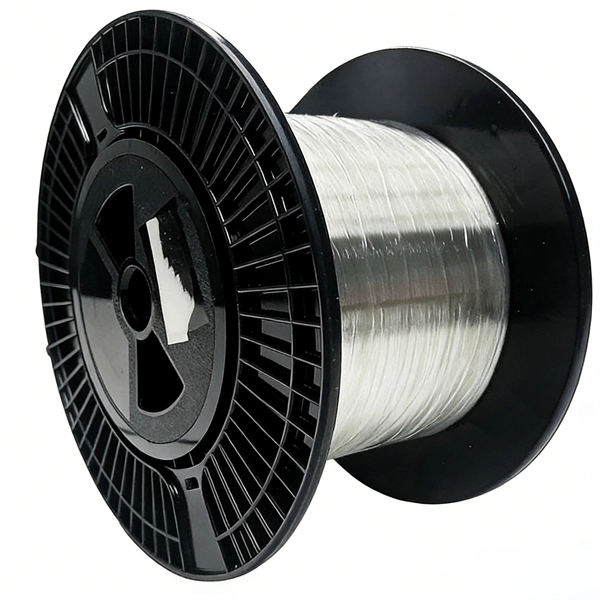
Latest Technology in Optical Communication Wavelength Division Multiplexing
Stanford researchers have developed a novel, inverse-designed wavelength division multiplexer (WDM) that integrates high-performance Bragg gratings for use in optical communication systems. Current solutions are limited by trade-offs between channel spacing, crosstalk...
[PDF Version]
-
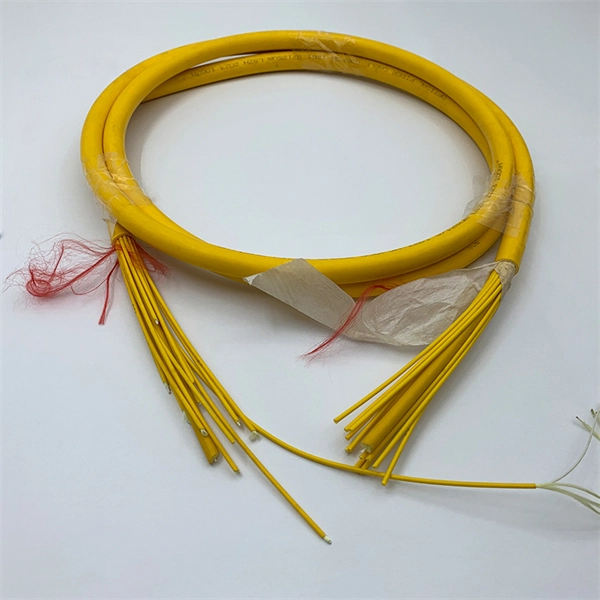
Advantages of Optical Path Technology Switches
Optical switches, which control the path of light signals without converting them to electrical signals, offer significant advantages in terms of speed, bandwidth, and efficiency. These devices have evolved significantly since their inception, reflecting advances in optical...
-
Optical Transmission Technology Module
An optical module usually consists of an optical transmitting device (TOSA, including a laser), an optical receiving device (ROSA, including a photodetector), functional circuits,main control circuit board (PCBA), housing and optical (electrical) interface and other. An...
[PDF Version]
Continue in the technical library
- What is a fiber optic polarization-maintaining patch cord
- Price difference between armored optical cable and ordinary optical cable
- Where can I find the thickness requirements for cable trays
- PoE switches are stable and reliable
- Bhutan Ladder Cable Tray Quotation
- Three optical cables are used in one fiber optic splice tray