
Overcurrent Protection Fundamentals R
Search optical fiber, connectivity, cable management and network infrastructure references.
- Overcurrent
- Protection
- Fundamentals
Articles and technical references
7 on this page-
Instantaneous overcurrent protection of relay protection tester
Instantaneous overcurrent protection is where a protective relay initiates a breaker trip based on current exceeding a pre-programmed “pickup” value for any length of time. The protection operates with a definite time characteristic. The protection offers two. Automatic...
[PDF Version]
-
Relay protection overcurrent sensitivity
Selectivity and sensitivity of overcurrent relay protectionsThe paper discusses the conditions for setting the overcurrent protection and how they determin.
[PDF Version]
-
Does relay protection have overcurrent protection
Overcurrent RelayAn overcurrent relay is a protective device that is used to trip or open a circuit when the current flowing through it exceeds the thresho.
[PDF Version]
-
Pw relay protection
Electromechanical relays can be classified into several different types as follows: "Armature"-type relays have a pivoted lever supported on a hinge or knife-edge pivot, which carries a moving contact. These relays may work on either alternating or direct current, but for...
-
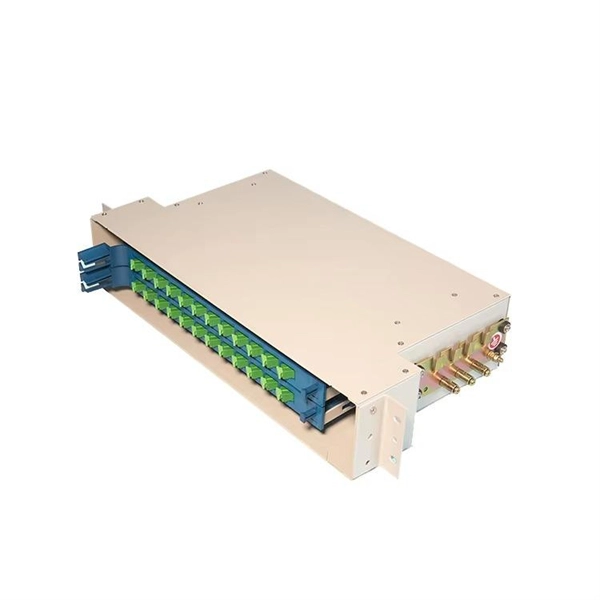
Qualification for Relay Protection Testing
IEEE offers the Certified Relay Technician (CRT) certification, which validates the expertise of individuals in the areas of relay testing, maintenance, and commissioning. The testing and verification of protection devices and arrangements introduces a number of issues. This...
[PDF Version]
-
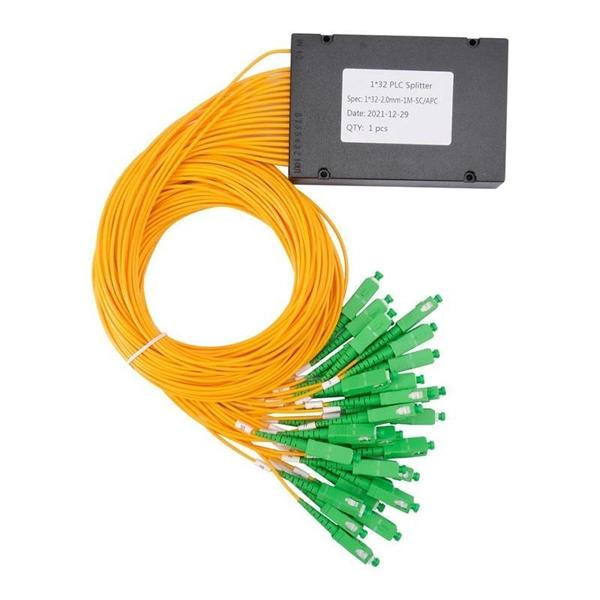
Relay protection tester inspection cycle
Protective circuit functional testing, including lockout relay testing, must take place immediately upon installation, every 2 years thereafter, and upon any change in wiring. The testing and verification of relay protection devices can be divided into four groups: Type tests...
-
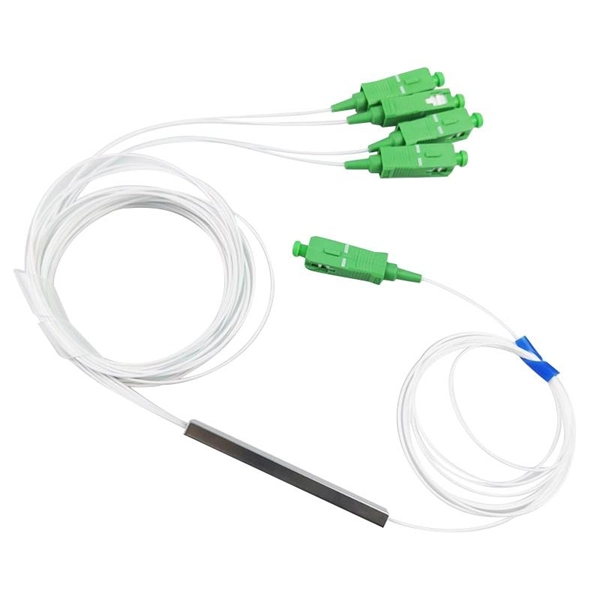
SEL Relay Protection Device Verification
Verify baud rate settings and other communications parameters and check for cabling errors. Check if the port is set to LMD protocol and verify the address. Verify the 87CH FAIL. This application note explains the steps required for configuring a test for protection devices...
[PDF Version]