
Passive Optical Networks Pon
Search optical fiber, connectivity, cable management and network infrastructure references.
- Passive
- Optical
- Networks
Articles and technical references
7 on this page-
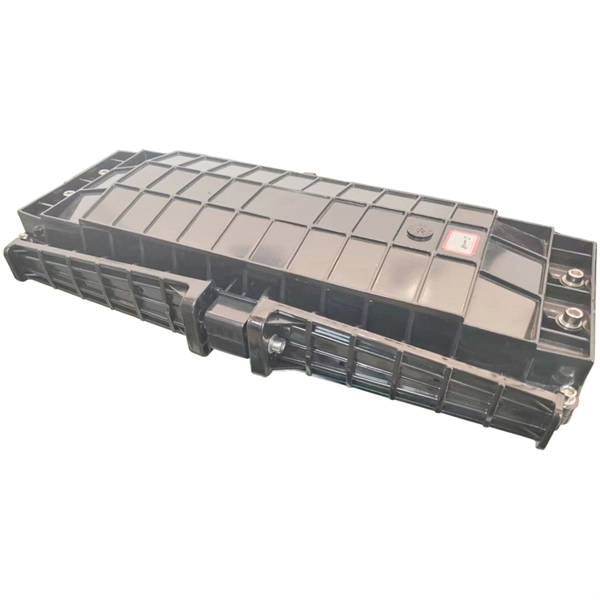
What is PON used to connect to passive optical networks
What Is Passive Optical Networking (PON)? Passive optical networking (PON), like active optical networking, uses fiber-optic cabling to provide Ethernet co.
[PDF Version]
-
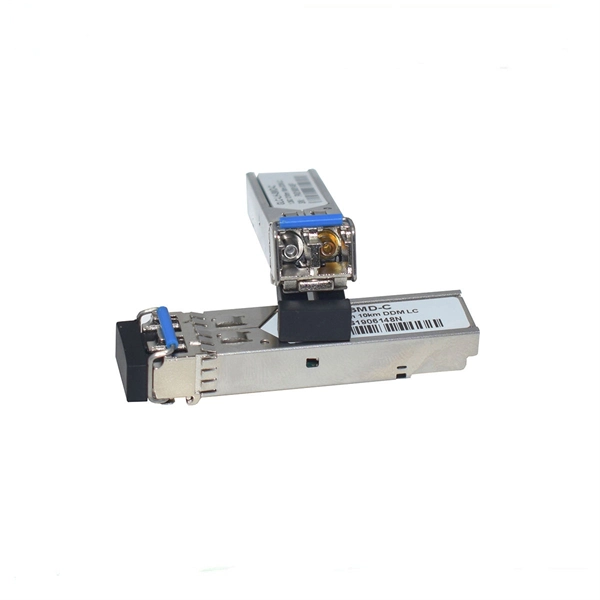
Pon Passive Optical Network Monitoring
Passive Optical Network (PON) monitoring gives operators the ability to track, isolate, test and troubleshoot an entire fiber network—even before it's turned up and handling live customer traffic. In-service monitor-ing of the PON's fiber infrastructure is a powerful enabling...
[PDF Version]
-
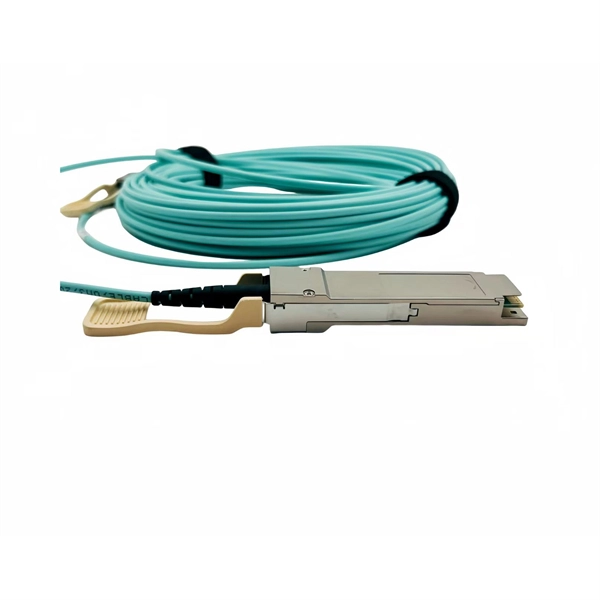
Passive optical components that are crucial in PON
Key components of a Passive Optical Network include the Optical Line Terminal (OLT), Optical Network Unit (ONU) or Optical Network Terminal (ONT), Optical Distribution Network (ODN), and Optical Splitters. An OLT is a device used to interface between the service provider's...
[PDF Version]
-
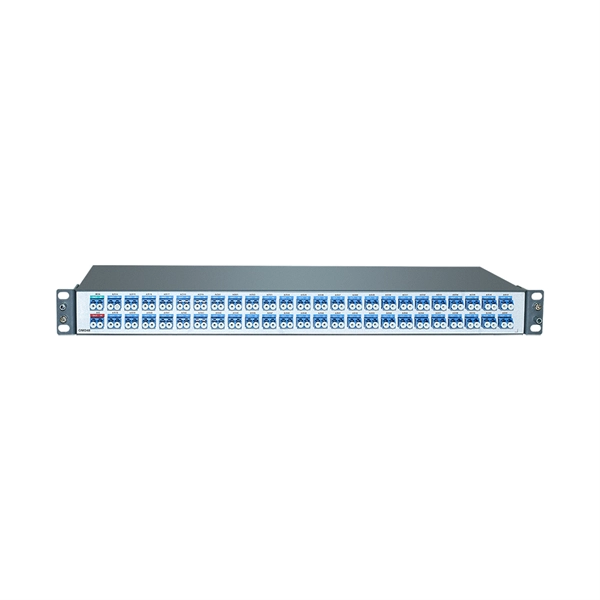
Network Structure of Passive Optical Networks
A PON takes advantage of (WDM), using one wavelength for downstream traffic and another for upstream traffic on a (ITU-T, typically OS2). BPON, EPON, GEPON, and have the same basic wavelength plan and use the 1490 nanometer (nm) wavelength for downstream traffic and 1310 nm...
[PDF Version]
-
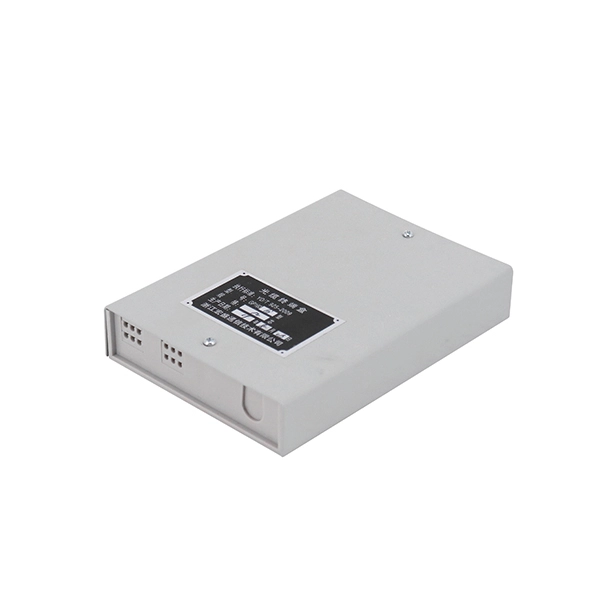
Passive optical networks employing different technologies
Passive Optical Access Networks: State of the Art and Future. A comparison of advantages and disadvantages of different multiplexing techniques is discu.
[PDF Version]
-
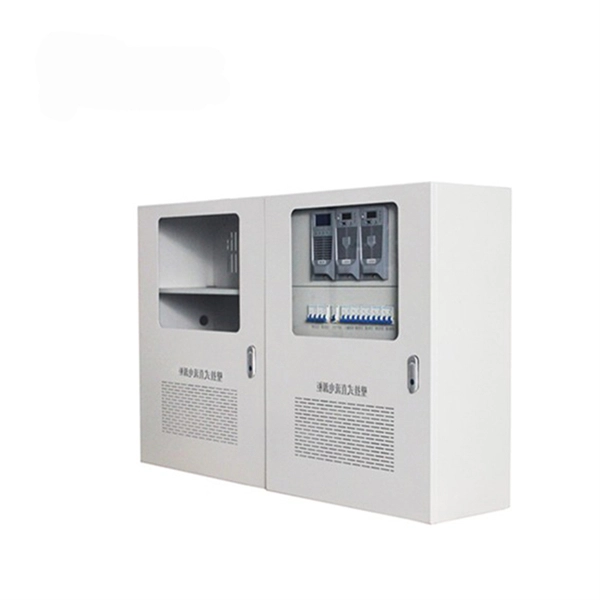
Imported ONT optical network terminal QSFP-DD for metropolitan area networks
The 400G QSFP-DD DCO optical transceiver adheres to OIF 400ZR/Open ZR+ and is intended for use in the DCI/metro network. Digital coherent optical communication technology enables high-capacity and long-distance transmission. Network operators are looking for cost-optimized...
[PDF Version]
-
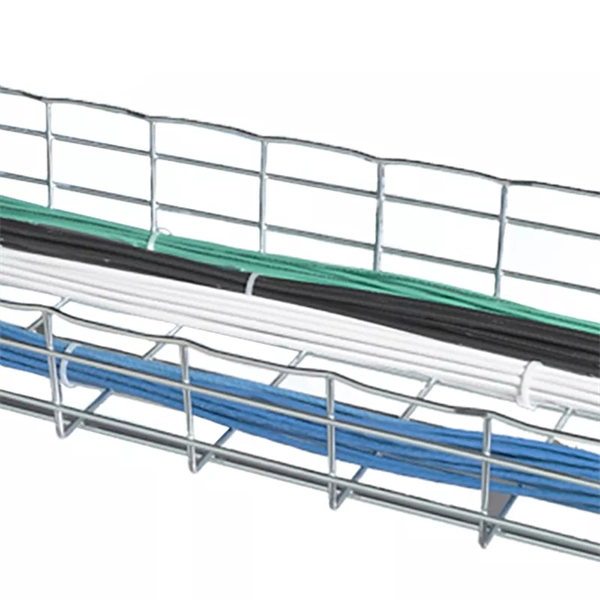
High-precision optical attenuators for power grid private networks
The types include VOAs made of 2D MEMS having good repeatability and low cost; VOAs made of 1D MEMS having >70 dB high attenuation; VOAs made of fiber directly coupled to fiber MEMS having ultra-low loss <0. Unlike fixed attenuators, which provide a constant loss, VOAs allow...