
Technical notes
Lenovo 0U PDUs Product Guide
The Lenovo zero-U (0U) Basic and Switched and Monitored power distribution units (PDUs) are the ideal solutions when you need flexible, reliable,
How to Install a Vertical Rack Mount PDU Step by Step
Install a vertical rack mount PDU with this step-by-step guide. Ensure proper placement, secure mounting, and efficient cable management for optimal
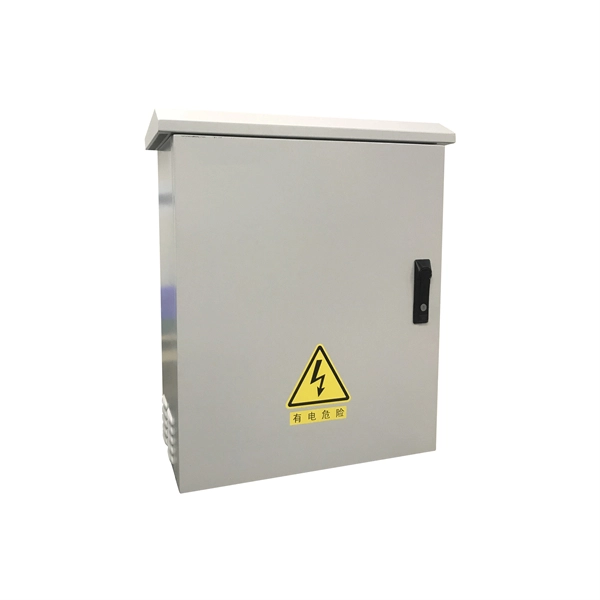
Electrical Distribution Boxes for Power Distribution
These Distribution Boxes enable decentralized installation of the electronics close to the load. The range of applications extends from pure energy distribution in
Basic Rack PDU Installation Manual
To install the Rack Power Distribution Unit (Rack PDU) using the mounting brackets, install it on a vertical-mounting rail in the rack or enclosure.
Where to install Power Distribution Unit : Location, Orientation, and
This configuration maintains vertical power distribution while fitting into smaller spaces, offering flexibility in design and maintenance. Vertical PDUs are often preferred for their efficient
Installing devices vertically in the rack cabinet
You can use the space on the sides and in the rear of the rack cabinet to vertically mount power distribution units (PDUs) and console switches. For more information about installing a device
Residential electrical distribution boxes can be installed vertically
Overview The distribution box shall be installed horizontally and vertically. After the box is placed, the perpendicularity of the box shall be found with ruler board to meet the requirements. It takes the
Quick Guide to Power Distribution Unit (PDU)
PDUs with color-coded circuits make it easy to identify phases to outlet banks to aid in fault isolation or load balancing. The rack PDUs are available in either vertical or horizontal formats
What is the Ideal Installation Height for a Distribution Box
The proper installation of a distribution box involves placing it at the right height to ensure safety and convenience. Mounting it 4.5 to 5.5 feet (1.4 to 1.7 meters)
Key Points Of Installation And Collocation Of Distribution Box In
1. The power distribution system at the construction site shall be distributed in different levels. The main distribution box (or distribution room) shall be set up. The distribution box shall be set
Power Distribution Boxes Explained Simply
Discover the essentials of a Power Distribution Box—how it works, key types, benefits, and tips to ensure safe, efficient electrical power management.
How to determine the size, installation method and wiring mode of
(1) Wiring method of distribution box 1) Generally, the incoming line of power distribution box adopts five wire system, that is, a, B and C three-way phase line (the general color is yellow, green and red),
Distribution boards components
Distribution boards (generally only one in residential premises) usually include the meter (s) and in some cases (notably where the supply utilities impose a TT earthing system and/or tariff
How Does a Power Distribution Box Work
Learn how a power distribution box works step by step—from incoming power to circuit protection and smart monitoring—for safe, efficient electricity delivery.
Wall-Mounted vs. Floor-Mounted Distribution Boxes:
Compare wall-mounted vs. floor-mounted distribution boxes. Learn their key differences, uses, pros & cons to choose the right one for your space
Distribution Box Guide: Types, Components & Solutions
Understand distribution boxes (DB boxes) in 5 minutes. Learn about types, components, functions, and uses. Find the perfect DB box for your needs.
How to Install a Cable Distribution Box Safely and Correctly?
Reliable cable distribution boxes ensure safe, efficient power management for residential, commercial, and industrial systems. Learn installation and safety tips.
How to Install a Distribution Box—A Comprehensive Instruction
Whether you are an electrical contractor or a construction brigade, knowing how to properly and safely install distribution boxes is the basis of ensuring the safe operation of the entire