
Technical notes
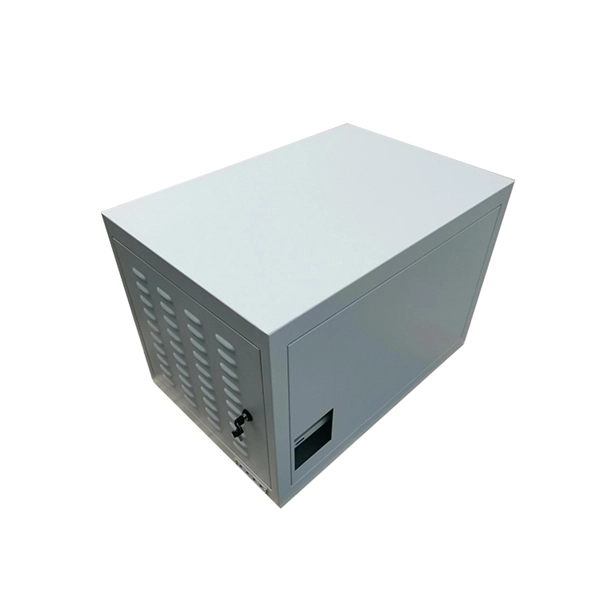
Communications Equipment Used in Substations
This article explores the essential communication equipment used in substations, highlighting different protocols and their significance in enhancing
Substation Components—Part 6: Station Batteries and
In substations, the DC system is critical for protection, control, and SCADA during AC loss. Learn about the relevant IEEE standards, choosing the
End-to-End Solution for Substation Communications and Backup
The power grid is supported by a distributed array of 50kW generators, and in the event of a generator failure, heavy-duty batteries are in place as a backup. Battery life is typically not very long, but it is
Communication network solutions for transmission and
For smart homes in which power generation and controllable loads (e.g., appliances) or e-car charging stations are to be managed, broadband communication systems such as fiber-optic cables, power
Substation automation and communications for
Its main function is to provide information about the power system to a central control system through a communications interface and to provide
Comprehensive DC Power Supply Solution for
With cutting-edge technology, advanced battery management, and intelligent monitoring, this system is designed to meet the demanding requirements of
Substation DC Auxiliary Supply – Battery And Charger
Some systems at the substation may require lower voltages as their auxiliary supply source. A typical example of these systems would be the optical
Automation, Protection and Control
Complete portfolio of automation, protection, control and monitoring solutions for reliable, efficient and sustainable substation and power grid operations
AC Traction Power Supply
Hitachi Energy offers a comprehensive range of AC traction substations for all types of applications including regional railway networks, dedicated freight and high speed lines. Traction voltages are
Communication network solutions for transmission and
Telecommunication for utilities has a long history in the transmission level of the power supply system and Siemens was one of the first suppliers of communication systems for power utilities. Since the
Substation Communications | Springer Nature Link
In recent years, the subject of communications, both within the substation and external to it namely between substations and between the substation and the control center, has become more
Communications System Power Supply Designs
Communications infrastructure equipment employs a variety of power system components. Power factor corrected (PFC) AC/DC power supplies with load sharing and redundancy (N+1) at the front-end feed
Next-Generation Power Substation Communication Networks: IEC
The electrical grid is undergoing a fundamental change with the introduction of smart grid technologies. In particular, power substations have been evolving toward more automated systems. Power
DC Power Supply System in an Electrical Substation -
DC supply system in an electrical substation has a very important role in keeping the substation''s brains on. Meaning all modern numerical protection relays, closing tripping coils, alarms, hooters,
Substation Communication Systems
Systems shall be implemented and maintained to consider the range of human capacity, both physically and mentally, when designing substation communication systems.
Substation control and monitoring systems: The eyes
Substation Control Systems To ensure the substation is run efficiently, a control and monitoring systems are needed. These systems should display the
How It Works: Electric Transmission & Distribution and Protective
Substations Substations serve as critical nodes connecting generation, transmission, and distribution networks. While substations are used for several distinct system functions, most utilize electric power
Communication in substation automation systems
Abstract Recent developments in communication media and networking technology have offered a wide range of new opportunities for utilities to improve their electric systems, operations, and process
Related Video Reference
This video was associated with the source search result. Verify technical details against current product documentation and project requirements.