Skip to content
QK FIBERSystems Send a project enquiry
Reference library

Power System Distribution Network Automation

Published
  • Power
  • Distribution
  • Network
Source context

AI source overview

Distribution Network Automation (DA) enhances the efficiency, reliability, and control of power distribution systems through advanced monitoring, control, and communication technologies.

Overview of Distribution Automation

Distribution Automation (DA) is a collection of technologies including sensors, processors, communication networks, and switches that enable utilities to collect, analyze, and optimize data from the distribution network.

D

A automates key processes such as fault detection, feeder switching, voltage control, and reactive power management, ensuring reliable and efficient power delivery. It integrates both substation and feeder automation as well as consumer-level automation, allowing remote monitoring and control of electrical loads, meters, and service connections.

Key Components and Technologies

Substation and Feeder Automation: Controls circuit breakers, load tap changers (LTCs), regulators, reclosers, sectionalizers, switches, and capacitor banks. Remote data collection enables real-time decision-making. Consumer Location Automation: Enables remote meter reading, time-of-use programming, load control, and service connection management.

Communication Networks: Wired, wireless, and cellular WAN technologies support real-time data transfer between field devices and control centers, ensuring secure and reliable operations. Advanced Applications: Includes Fault Location, Isolation, and Service Restoration (FLISR), Volt/VAR control, Direct Transfer Trip, and predictive maintenance for transformers and other critical equipment.

Benefits of Distribution Automation

Improved Reliability and Uptime: Automated fault detection and restoration reduce outage duration and improve service continuity. Operational Efficiency: Remote monitoring and control reduce operational expenses and optimize equipment usage. Enhanced Power Quality: Voltage regulation, reactive power compensation, and power quality monitoring maintain stable and efficient energy delivery.

Integration with Distributed Energy Resources (DERs): DA supports the seamless integration of renewable energy sources and distributed generation into the grid. Predictive Maintenance: Monitoring field devices allows utilities to anticipate failures and schedule maintenance proactively, reducing unplanned outages.

Implementation Considerations

Successful D

A deployment requires a robust IT and communication infrastructure capable of real-time data collection, secure communication, and automated decision-making. Utilities often adopt modular and scalable solutions to adapt to network changes and integrate new technologies efficiently. Industry-standard protocols, plug-and-play devices, and zero-touch deployment tools simplify large-scale rollouts and ensure interoperability across devices and systems.

Future Trends

Emerging trends in distribution automation include cloud-based fault management, self-optimizing grids, and advanced analytics for predictive maintenance and energy optimization. These innovations aim to further enhance grid resilience, reduce costs, and support sustainable energy integration. In summary, Distribution Network Automation transforms traditional power distribution into a smart, efficient, and resilient system, leveraging advanced technologies to optimize operations, improve reliability, and integrate modern energy resources.

Research context

Reference summary

Distribution Automation Distribution automation is an important method to improve the reliability, quality and capacity of power supply, and helps to reali.

From reference to enquiry

Questions for your project

Use these editorial prompts alongside the linked excerpts. They identify items to confirm for your project.

Technical notes

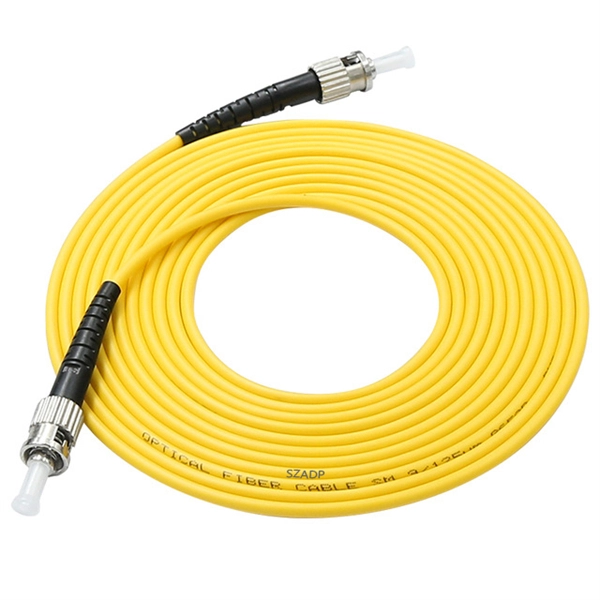
Illustrative equipment image

Distribution Automation

Distribution automation is an important method to improve the reliability, quality and capacity of power supply, and helps to realize the efficient and economic operation. It is also one of the important

Distribution Automation Handbook

The handbook describes various power distribution system constructions and elements there-of, technical considerations, distribution automation infrastructure and functionality, communication

Distribution Automation | Siemens

Improve the reliability and availability of power distribution grids. Siemens Distribution Automation functionality ranges from monitoring to fully automated

Distribution Automation | Introduction, Benefits, and

What is Distribution Automation? Distribution automation (DA) uses technologies like sensors, processors, and communication networks to improve the efficiency of

Distribution Automation

Distribution automation (DA) is a family of technologies, including sensors, processors, information and communication networks, and switches, through which a utility can collect, automate, analyze, and

Distribution Automation Systems (DAS)

What is DAS? Distribution Automation Systems (DAS) are comprehensive control systems that automate the monitoring and management of power distribution networks. By

Distribution Automation | Hitachi Energy

From primary equipment to control centers, Hitachi Energy''s comprehensive portfolio of distribution automation solutions enables utilities to see what is happening inside the distribution grid, ensuring

Distribution Automation Handbook

In the following, the distribution power transformer features, construction and protection and their influence to the complete distribution system performance are discussed.

Control and Automation Systems for Distribution Networks

Automation and control systems necessary to manage distribution networks with high penetrations of DER are a particular focus, along with the controls needed to provide services and

Distribution Automation Design Guide, 3

Automated control of devices in distribution systems involves a closed-loop control of switching devices, voltage controllers, and capacitors based on recommendations from distribution optimization algorithms.

Power Distribution Automation | IET Digital Library

In an automated distribution system, several tasks, such as network reconfiguration (for loss reduction, load balancing, service restoration), volt-var control, etc., are undertaken regularly to improve the

Distribution System Automation

Abstract Electric power distribution system is an important part of electrical power systems in delivery of electricity to consumers. Automation in the distribution field allows utilities to implement flexible

Distribution Automation | Siemens

Our distribution automation solutions optimize primary equipment O&M, boost supply safety & voltage quality, and adapt quickly to network changes. They also

(PDF) An Overview of Automation in Distribution Systems

Flexible control of distribution systems, which can be used to enhance efficiency, reliability, and quality of electricity services is implemented by the automation in the distribution field.

Power System and Substation Automation Guide

Distribution systems automation From experience, faults at transmission levels are less frequent than at distribution levels. At the same time

Distribution Automation and Advanced Distribution Management Systems

Electric energy distribution automation in the power industry integrates and coordinates facilities to enhance energy reliability, quality, reduce costs, and improve customer satisfaction.

Power Distribution Automation | Pacemaker Energy –

Explore Pacemaker Energy''s Power Distribution Automation (PDA) solutions, utilizing advanced technologies like ADMS, SCADA, and Smart Grids to optimize

(PDF) Distribution Automation Systems (DAS) -Overview

Distribution Automation Systems (DAS) are comprehensive control systems that automate the monitoring and management of power distribution networks. By integrating field

Share your network requirements

Share the fiber interfaces, termination capacity, cable route and evidence required for handover.

Send a project brief