
Prevent Damage To Fiber When Pulling Cable
Search optical fiber, connectivity, cable management and network infrastructure references.
- Prevent
- Damage
- Fiber
Articles and technical references
8 on this page-
Electrostatic damage to fiber optic sensor
Electrostatic charges draw and hold unwanted dust particles onto fiber network connector end-faces just like a magnet. Although this dust contamination is merely microns in size and only visible when magnified with an inspection scope, it still causes a serious performance...
[PDF Version]
-
How to splice single-mode fiber optic cables to prevent air bubbles
Quick answer: Strip the fiber jacket and buffer, clean the bare glass with 99% IPA, cleave to under 1 degree, load both fibers into the splicer, run the splice cycle, heat-shrink the protection sleeve, and verify the splice loss. Total time per splice for an. This is where...
-
Fiber optic cable pulling completed
Best Practices for Pulling Fiber Optic Cable The following article explores best practices when pulling fiber optic cables and cable assemblies. Following.
[PDF Version]
-
Causes of damage to Morocco fiber optic cable
What Damages Fiber-Optic Cables? Key Risks and Mitigation StrategiesThis guide explores the most common causes of fiber-optic cable damage, explains the te.
[PDF Version]
-
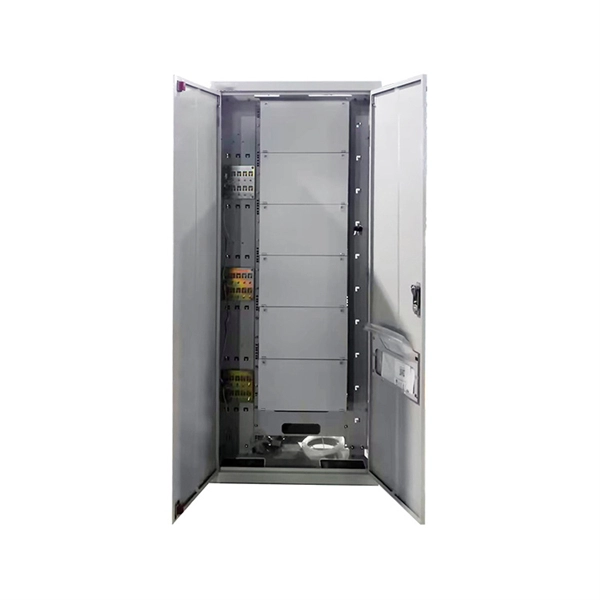
Techniques for pulling fiber optic cables up power poles
This helps keep fiber optic cables safe from harm and signal problems when you put them in. Try new methods like air blowing. In 2025, new tools like hydraulic blowers, smart monitors, and better grips help you lower risks, save money, and keep the network working well. Use...
[PDF Version]
-
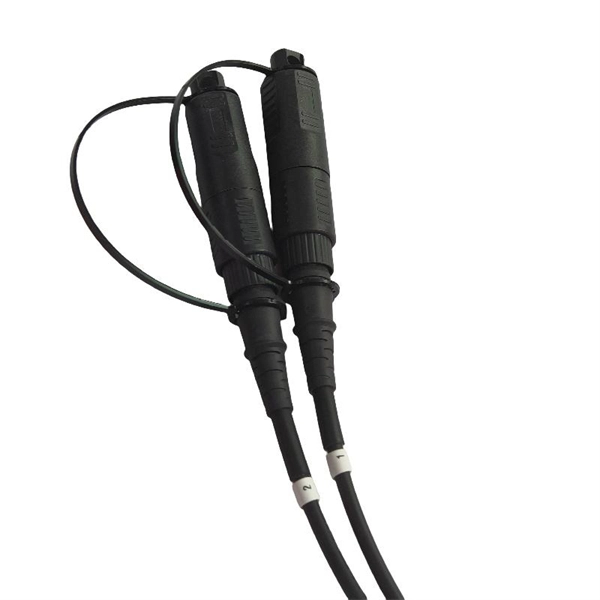
Power of Fiber Optic Acoustic Sensing System
Fiber-optic distributed acoustic sensing (DAS) promises great application prospects in smart grids due to its superior capabilities, including resistance to electromagnetic interference, long-distance coverage, high sensitivity and real-time monitoring. This highly sensitive...
[PDF Version]
-
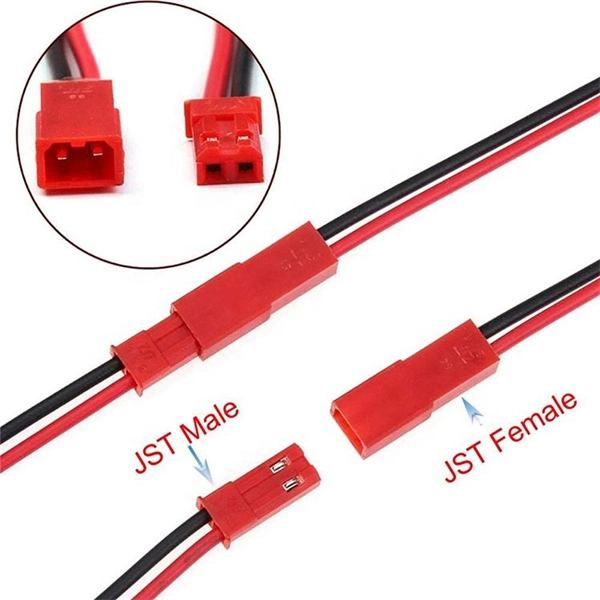
Requirements for outdoor buried fiber optic cables
Recommended technical requirements are detailed by reference to IEC 60794-3-11 on outdoor optical fibre cables for duct, directly buried, and lashed aerial applications. Changes and additions to these requirements suitable to the directly buried cable application are also...
[PDF Version]
-
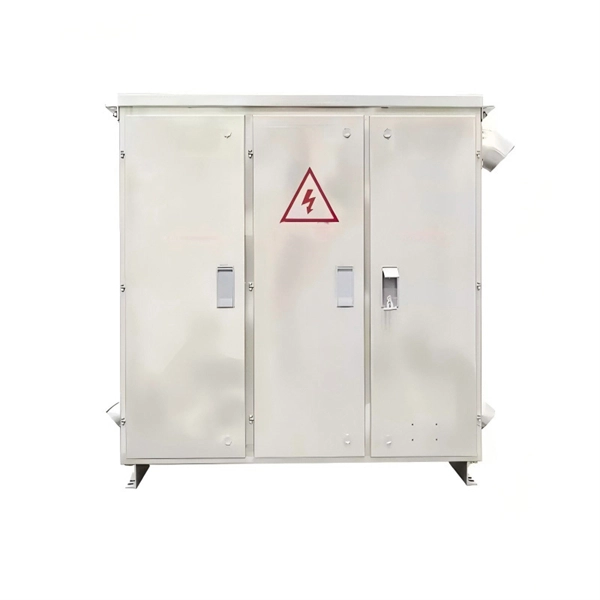
What is the normal attenuation rate of fiber optic pigtails
For single-mode fiber (the type used in long-distance and high-speed networks), typical values under normal conditions are about 0. Under ideal conditions, those numbers drop to around 0. 3-D standard lists specific limits for multimode and single-mode fibres. Q: What is...