
Procedure For Cutting And Respooling Fiber Optic Cable
Search optical fiber, connectivity, cable management and network infrastructure references.
- Procedure
- Cutting
- Respooling
Articles and technical references
7 on this page-
Fiber Optic Cable Cutting Tools
Fiber Optic Cutting Tools – trueCABLEOur fiber optic cutting tools are engineered for clean, effortless cuts, reducing installation time and protecting you.
[PDF Version]
-
Demolition of illegal structures and cutting of fiber optic cables
Lagos Government to Demolish Illegal Structures Under High-Tension. The Lagos State Government has announced plans to demolish illegal structures and sha.
[PDF Version]
-
DTS Fiber Optic Sensor
Distributed Temperature Sensing (DTS) systems provide temperature information for accurate thermal monitoring, fire detection, and condition assessment by utilizing standard fiber optic cables. The unique feature of a distributed temperature sensing system is that it provides...
-
Is a pigtail a fiber optic bracket
A pigtail is a piece of fiber optics with a pre-mounted connector on one side. The connector end is polished and tested under factory conditions, ensuring low insertion loss and high return loss. While both are essential for linking fibers to devices or other cables, they...
-
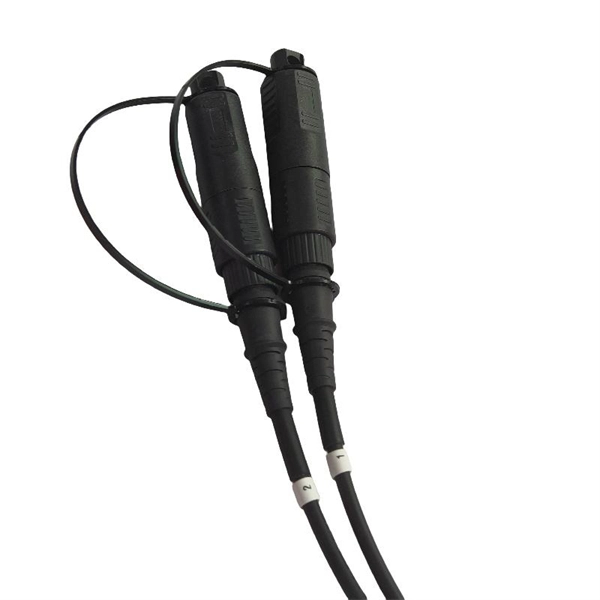
Power of Fiber Optic Acoustic Sensing System
Fiber-optic distributed acoustic sensing (DAS) promises great application prospects in smart grids due to its superior capabilities, including resistance to electromagnetic interference, long-distance coverage, high sensitivity and real-time monitoring. This highly sensitive...
[PDF Version]
-
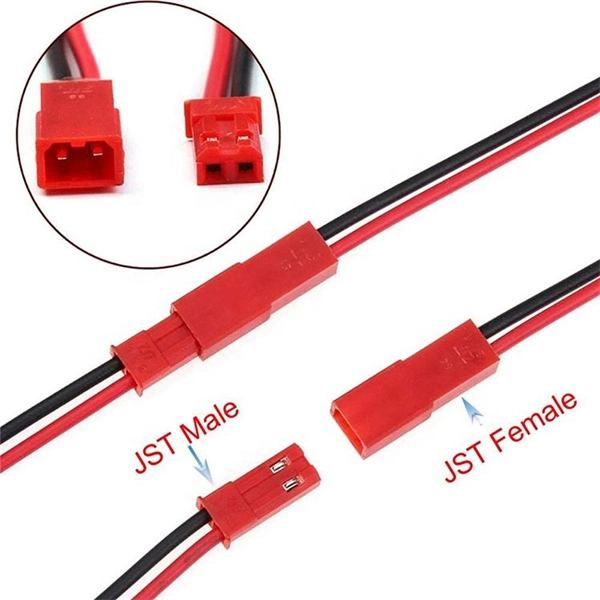
Requirements for outdoor buried fiber optic cables
Recommended technical requirements are detailed by reference to IEC 60794-3-11 on outdoor optical fibre cables for duct, directly buried, and lashed aerial applications. Changes and additions to these requirements suitable to the directly buried cable application are also...
[PDF Version]
-
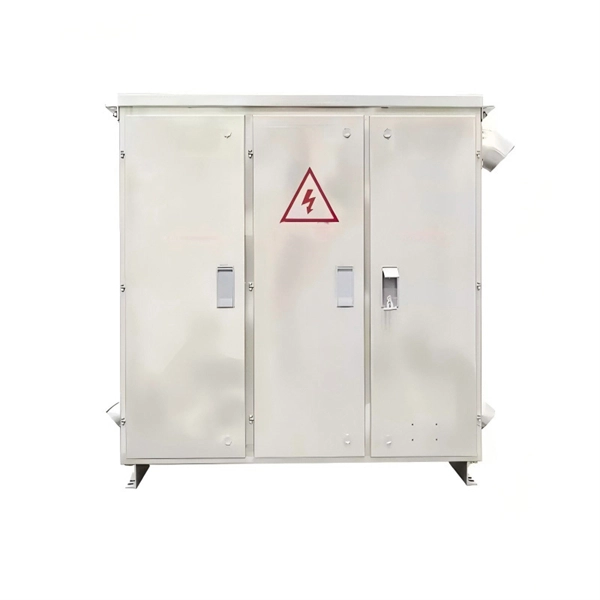
What is the normal attenuation rate of fiber optic pigtails
For single-mode fiber (the type used in long-distance and high-speed networks), typical values under normal conditions are about 0. Under ideal conditions, those numbers drop to around 0. 3-D standard lists specific limits for multimode and single-mode fibres. Q: What is...