
How can one identify a broken fiber optic cable?
To identify a broken fiber optic cable, start by performing a visual inspection for any physical signs of damage, such as bends, cracks, or breaks...
Search optical fiber, connectivity, cable management and network infrastructure references.
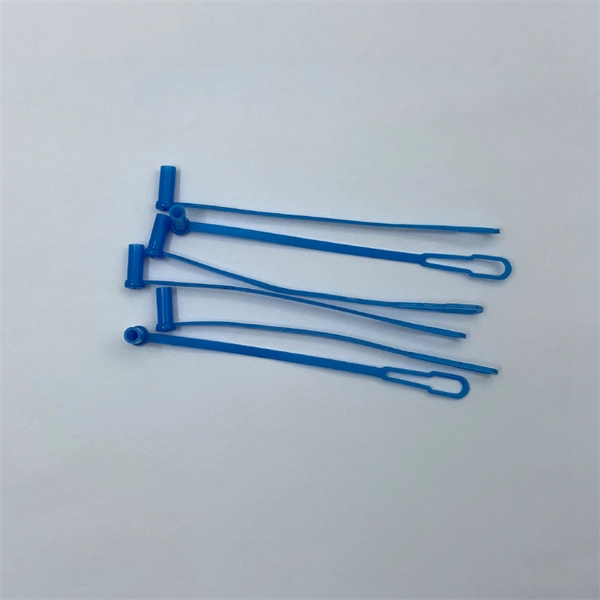
FAU (Fiber Array Unit) multifiber assemblies offer high-density, high bandwidth solutions for the new era of fiber optic applications, including telecommunications, data centers, silicon photonics, defense and medical applications. Often, such an array is formed only for the...
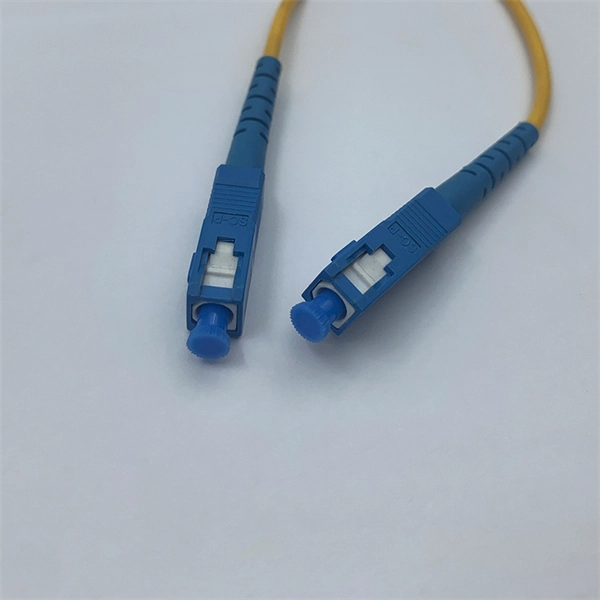
In astronomical telescopes, one sometimes uses optical fibers to transport light from the telescope to other devices for further analysis, e.g. for high-resolution spectral analysis. Here, fiber arrays allow one to.
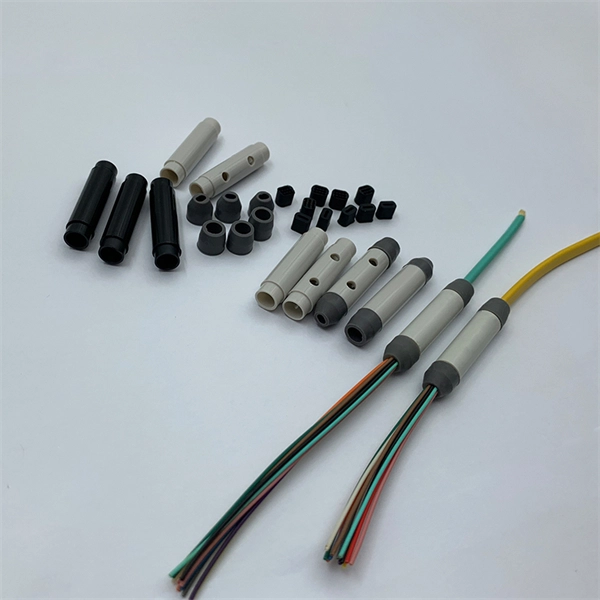
In 2024, global trade of Optical fibres and cables reached $9. The fiber optics market is projected to grow from USD 9. 1 billion by 2035, at a CAGR of 9. 2% market share, while single-mode will lead the cable type segment with a 63. Historical Data Covered: 2015 to 2023 |...
[PDF Version]
There are hybrid optical and electrical cables that are used in wireless outdoor Fiber To The Antenna (FTTA) applications. In these cables, the optical fibers carry information, and the electrical conductors are used to transmit power. These cables can be placed in several...
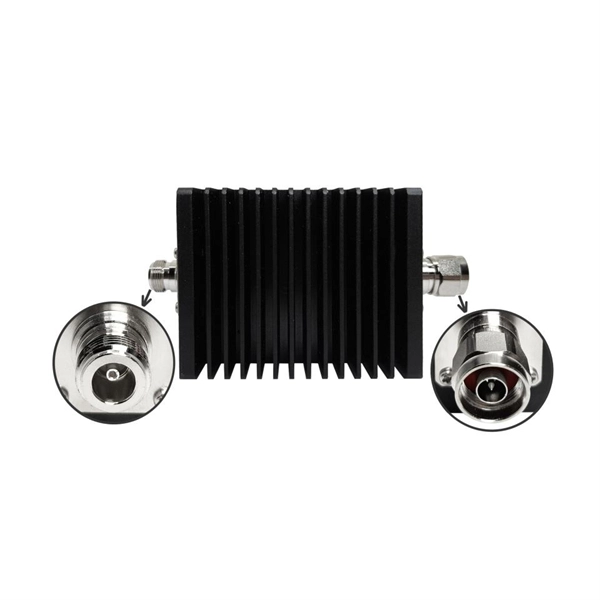
Polarization-maintaining fibers work by intentionally introducing a systematic linear in the fiber, so that there are two well defined polarization modes which propagate along the fiber with very distinct phase velocities. The beat length Lb of such a fiber (for a particular...
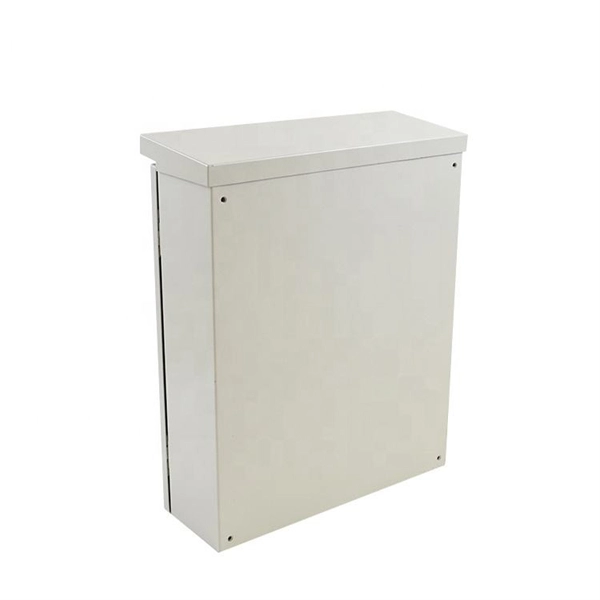
Because it is not practical (or mechanically feasible) to couple the output port of the source to the input port of the meter, a single patchcord is used to accomplish this. Fiber optic adapters, also known as couplers, play a crucial role in fiber optic networks by providing...
[PDF Version]To identify a broken fiber optic cable, start by performing a visual inspection for any physical signs of damage, such as bends, cracks, or breaks...
There are several methods to test fiber optic cables without a tester. One method is using a visual fault locator (VFL), as mentioned earlier, to v...
Intermittent fiber optic connections can be caused by a variety of factors, including: Poorly terminated connectors or splices that result in unsta...
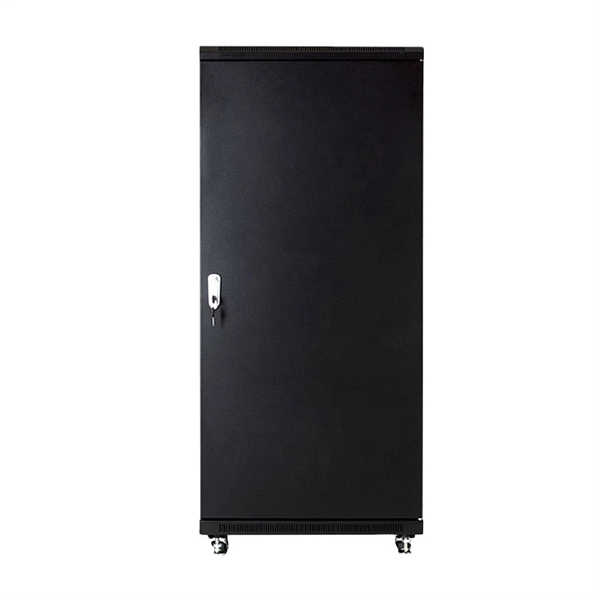
Fiber-Coupled Optical Receiver Modules are ideal for use in biomedical optical sensor systems or for industrial and telecommunication sensing applications. 1 While each RXM Series model is designed and intended for operation over the specified wavelength range shown by the...
[PDF Version]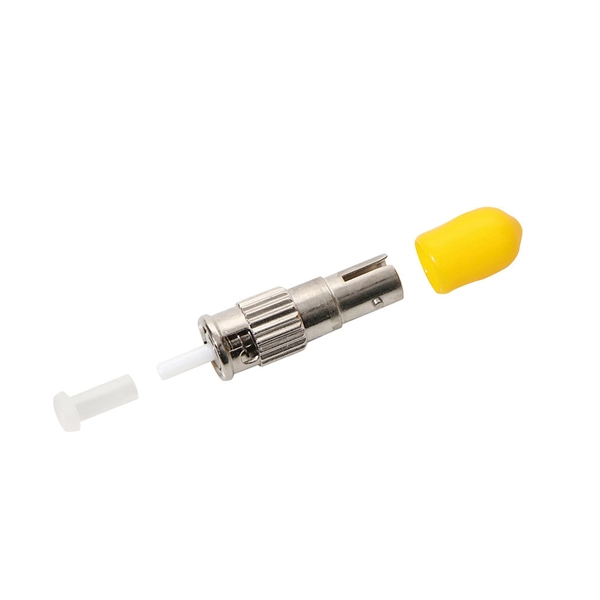
A Fiber Array (FA) is an optical component that aligns multiple optical fibers in a highly precise manner. Typically, the fibers are arranged in a straight line (1D) or in a matrix format (2D) to enable mass fusion splicing, coupling with optical chips, or integration into...
[PDF Version]
The latest versions, including TIA-568. 3-D, establish the rules for both copper and fiber cabling, covering topology, connectors, distances, testing, and optical performance. 3‑E “Optical Fiber Cabling and Components Standard” was developed by the TIA TR‑42. Scope: This...
[PDF Version]Share the fiber interfaces, termination capacity, cable route and evidence required for handover.