
Proffesional Cable Sheath Longitudinal Cutter
Search optical fiber, connectivity, cable management and network infrastructure references.
- Proffesional
- Cable
- Sheath
Articles and technical references
9 on this page-
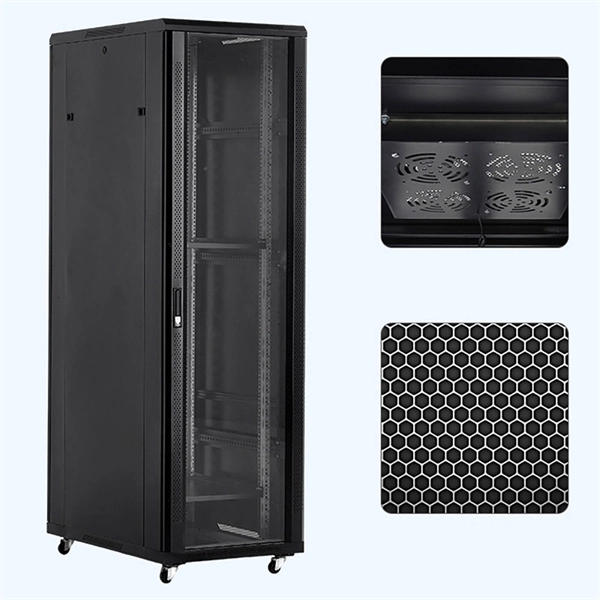
Optical cables consist of a cable core and a sheath
Optical fiber consists of a core and a cladding layer, selected for total internal reflection due to the difference in the refractive index between the two. You will also learn how different aspects of the product can affect budget and design. ■ The Five Key Parts of a Fiber...
[PDF Version]
-
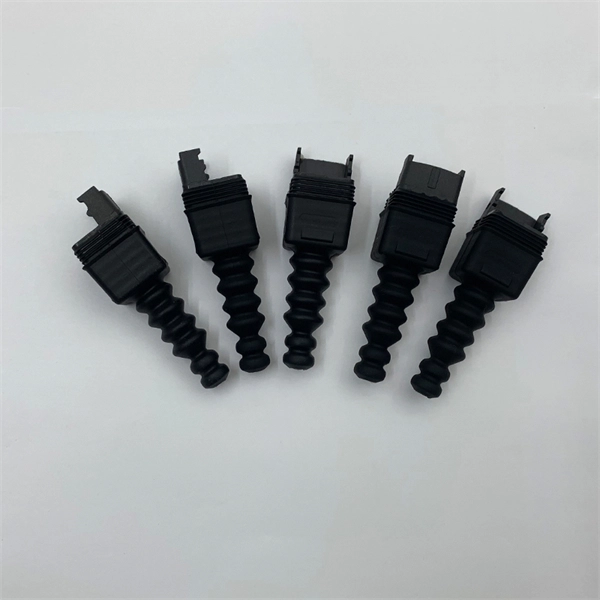
Optical cable longitudinal sectioning operation
By utilizing a dedicated slitting device, technicians can perform mid-span access on loose tube cables with surgical accuracy. This article delves deep into the mechanics, benefits, and best practices of using these tools, ensuring your toolkit is equipped for success. Fiber...
[PDF Version]
-
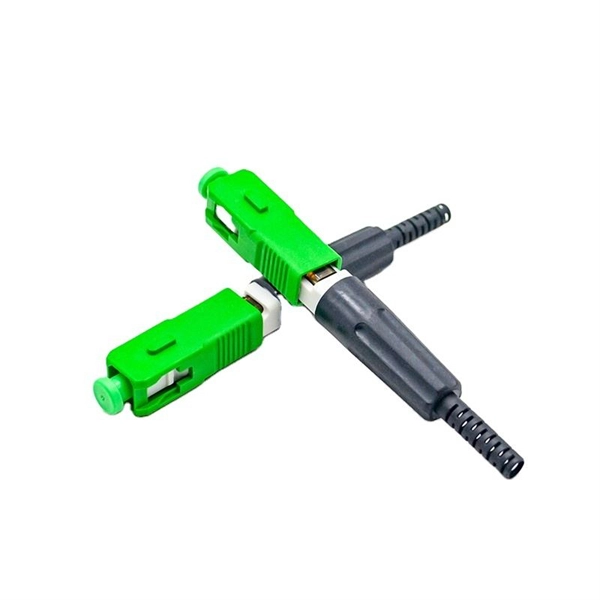
The outer sheath of the optical cable is printed with
The sheath commonly used for optical cables is a semi-hermetic bonded sheath. It consists of double-sided plastic-coated aluminum strips (PAP) or steel strips (PSP) longitudinally bonded outside the cable core. Its primary functions include: While the optical fiber itself...
[PDF Version]
-
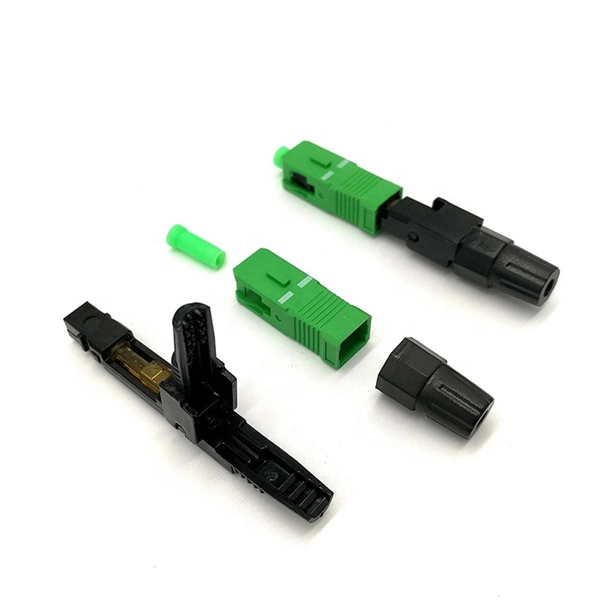
What are the particles in the optical cable sheath
A fiber cable contains up to hundreds of incredibly thin glass fiber cores within protective layers. Surrounding layers cushion from crushing forces and prevent moisture damage during handling or underground burial. When searching for a fiber optic cable, we need to pay...
[PDF Version]
-
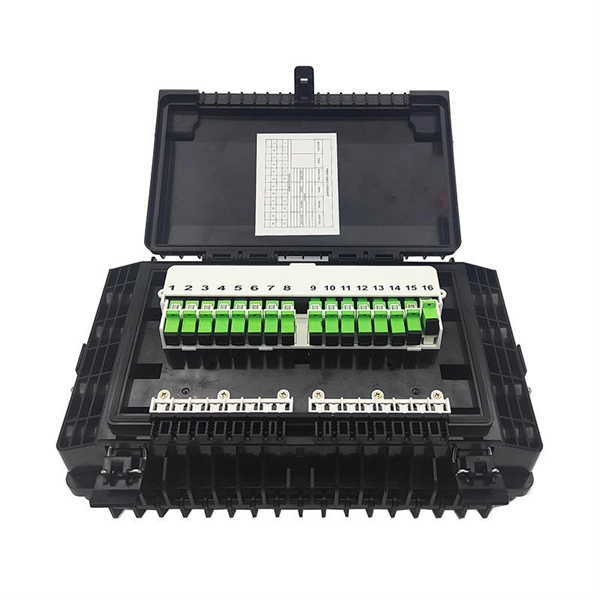
Fiber Optic Cable Sheath Splicing Techniques
Fiber fusion splice —the gold standard—uses heat to meld glass ends, ensuring durability and low loss—e. 05 dB splice stays within a 17 dB budget for 10G. Mechanical splicing, though quicker, uses sleeves—e. 2 dB loss—better for temporary. Fiber optic cables are the invisible...
[PDF Version]
-
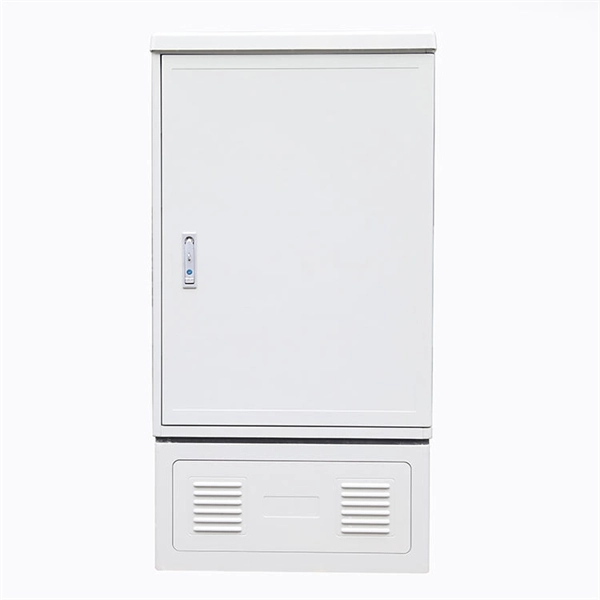
Finished optical cable sheath has air holes
A more common cause is poor field termination that results in air gaps and high insertion loss or scratches, defects and contamination on the end face of the connector. There are many types of defects, and common cable surface defects include pores, pinholes, bubbles, etc...
[PDF Version]
-
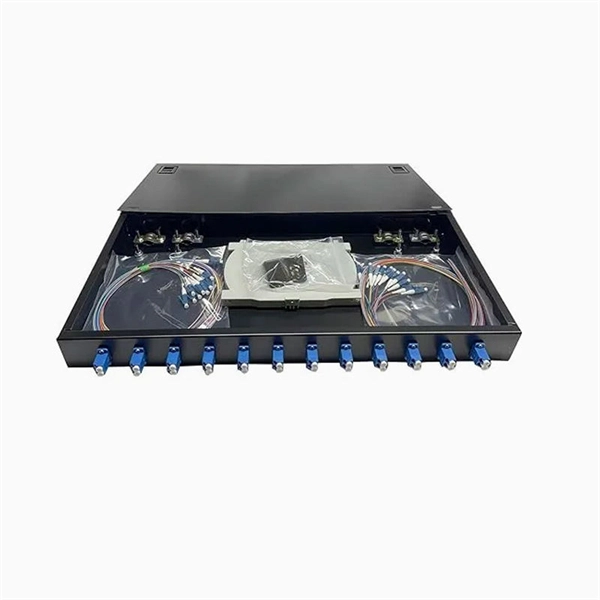
The code for the outer sheath of the optical cable is
DIN VDE 0888 Cable Designation Guide | PDF | Optical Fiber The German standartization institues of DIN & VDE use a set of letter codes for the designation.
[PDF Version]
-
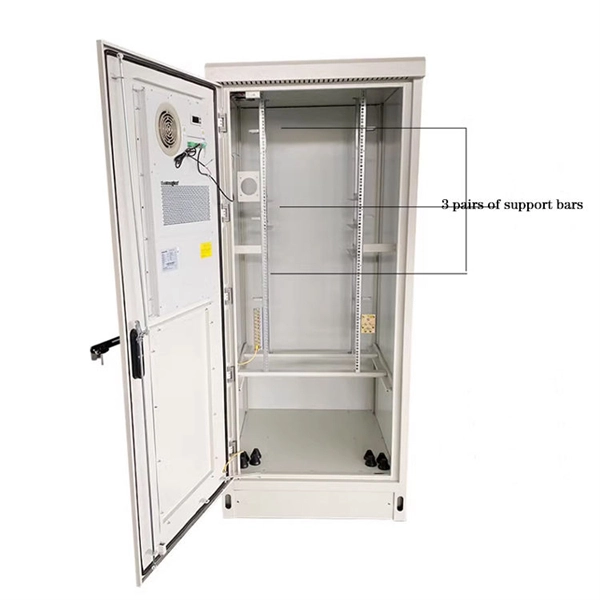
The function of the inner sheath of optical cable
The inner sheath mainly protects the cable core and helps keep the internal structure stable, while the outer sheath protects the entire cable from external installation and environmental conditions. For fiber optic cables, communication cables and outdoor network. The inner...
[PDF Version]
-
The outer sheath of the YDFC fiber optic cable is torn
Excavate the cable at the break point and use a fiber optic cutter to remove the damaged section. Use a high-precision fiber cleaver to prepare the fiber ends for. The core, the central part of the fiber optic cable, carries light signals and is surrounded by a layer known as...
[PDF Version]