
Protective Relay Basics
Search optical fiber, connectivity, cable management and network infrastructure references.
- Protective
- Relay
- Basics
Articles and technical references
9 on this page-
Pw relay protection
Electromechanical relays can be classified into several different types as follows: "Armature"-type relays have a pivoted lever supported on a hinge or knife-edge pivot, which carries a moving contact. These relays may work on either alternating or direct current, but for...
-
Qualification for Relay Protection Testing
IEEE offers the Certified Relay Technician (CRT) certification, which validates the expertise of individuals in the areas of relay testing, maintenance, and commissioning. The testing and verification of protection devices and arrangements introduces a number of issues. This...
[PDF Version]
-
Relay protection tester inspection cycle
Protective circuit functional testing, including lockout relay testing, must take place immediately upon installation, every 2 years thereafter, and upon any change in wiring. The testing and verification of relay protection devices can be divided into four groups: Type tests...
-
SEL Relay Protection Device Verification
Verify baud rate settings and other communications parameters and check for cabling errors. Check if the port is set to LMD protocol and verify the address. Verify the 87CH FAIL. This application note explains the steps required for configuring a test for protection devices...
[PDF Version]
-
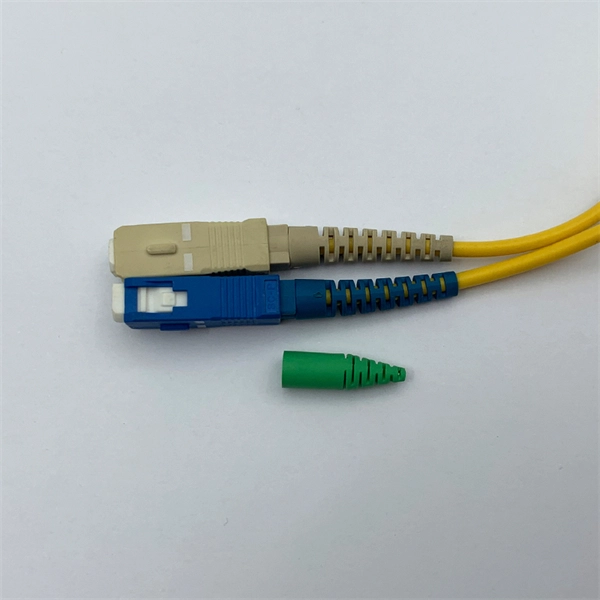
Relay Protection Reconfigurable Optical Add-Drop Multiplexer Anti-Tracking
In this paper, we propose and demonstrate a 96-channel silicon-based on-chip ROADM for the first time to satisfy the demands in hybrid MDM-WDM-PDM systems. Here three modes, dual polarizations, and 16 wavelengths are involved. 672 provides a description of the relevant...
[PDF Version]
-
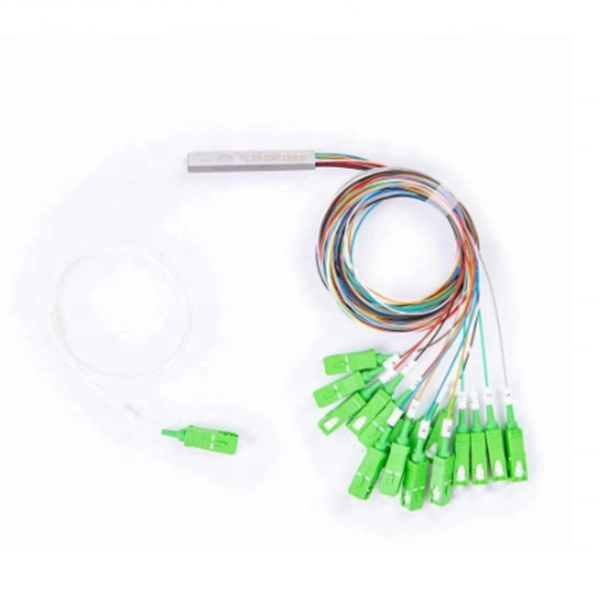
Relay Protection Classroom
This course is intended for engineers who need a comprehensive understanding of the challenges and solutions for protecting electrical power systems.
-
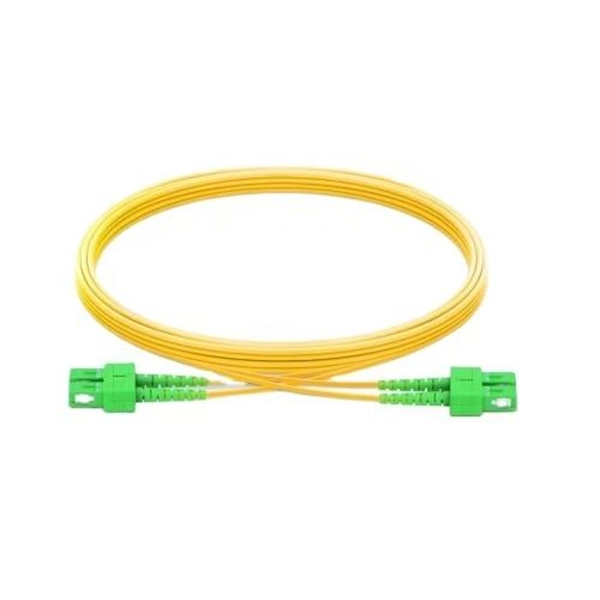
Which performance characteristic of relay protection ranks first
When choosing a relay, understanding the basic characteristics ensures optimal performance and longevity in your system. The operating time of definite time relays does not depend on the magnitude of the fault cur-rent, while the operating time of inverse time relays is...
[PDF Version]
-
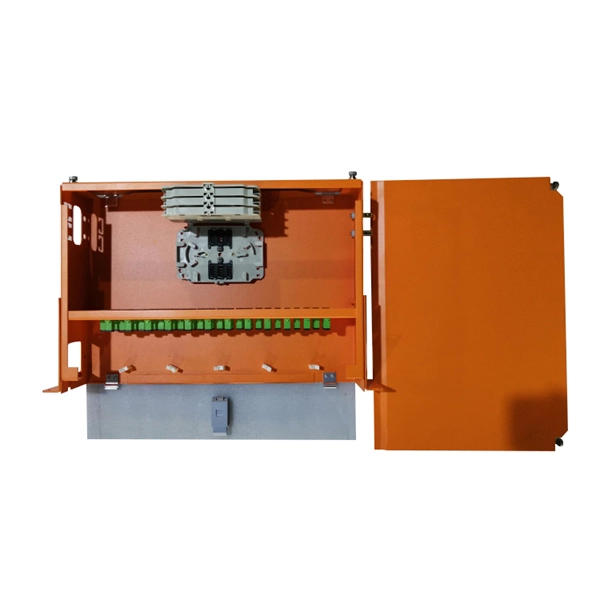
Tables required for relay protection calculations
Use this Protection Relay Setting Calculator to calculate pickup current, time multiplier settings (TMS), operating time, coordination time interval (CTI), and plug setting multiplier (PSM) using fault current, CT ratio, and IEC 60255 curve parameters. This technical report...
[PDF Version]
-

The role of accelerated relay protection after 10kV
The primary role of accelerated protection is to minimize the impact of faults by enabling immediate response, thereby reducing downtime and preventing cascading failures in power networks. It acts as a safeguard for equipment such as transformers and generators, ensuring...
[PDF Version]